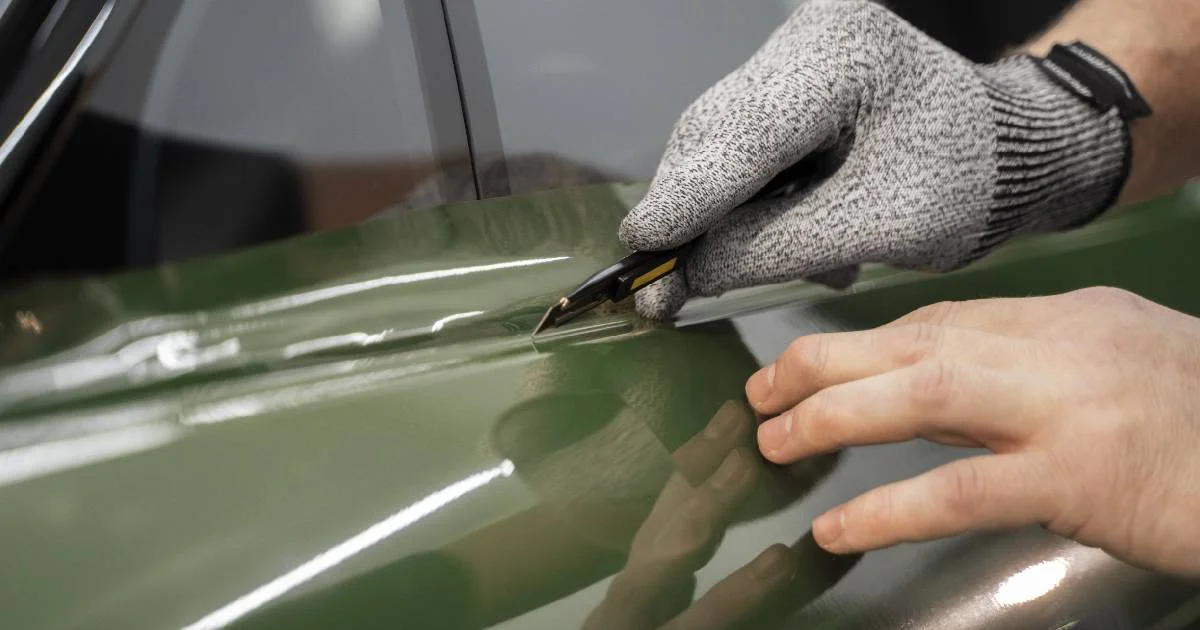
10-things-you-should-know-before-car-wrapping.webp

10 Things You Should Know Before Car Wrapping

27 May 2024, By Admin

In the world of vehicle customization, car wrapping has become increasingly popular. Whether you're looking to give your car a fresh new look or advertise your business on the go, car wrapping offers a versatile and affordable solution. However, before diving into the world of vinyl wraps, there are several key factors to consider. In this blog post, we'll explore 10 things you should know before car wrapping.

  1. Car Wrapping: Car wrapping involves applying a vinyl film to the exterior of a vehicle. This film can come in a variety of colors, finishes, and textures, allowing for endless customization options.
  2. Temporary Transformation: Unlike paint, car wraps are not permanent. They can be easily removed without damaging the vehicle's paint underneath. This makes car wrapping an ideal option for those who like to change up their car's appearance frequently.
  3. Cost Considerations: While car wrapping is generally more affordable than a custom paint job, it's still an investment. The cost can vary depending on the size of the vehicle, the complexity of the design, and the quality of the vinyl used.
  4. Quality Matters: Opting for high-quality vinyl and professional installation is crucial for a long-lasting and visually appealing wrap. Cheaper materials may fade or peel over time, detracting from the overall look of your vehicle.
  5. Surface Preparation: Proper surface preparation is essential for a successful car wrap. The vehicle's exterior must be thoroughly cleaned and free of any dirt, wax, or debris that could affect adhesion.
  6. Durability and Maintenance: A well-installed vinyl wrap can last several years with proper care. However, it's essential to follow manufacturer recommendations for maintenance, which may include avoiding harsh chemicals and abrasive cleaning methods.
  7. Design Considerations: When designing your car wrap, consider factors such as visibility, readability (for advertising wraps), and overall aesthetic appeal. Work closely with your designer to ensure your vision is accurately translated onto the vehicle.
  8. Legalities and Regulations: Before applying a car wrap, familiarize yourself with local laws and regulations regarding vehicle modifications. Certain colors or designs may be restricted, especially for commercial vehicles.
  9. DIY vs. Professional Installation: While DIY car wrapping kits are available, professional installation is often recommended for the best results. Professional installers have the experience and expertise to ensure a seamless finish and minimize the risk of errors.
  10. Removal Process: When the time comes to remove your car wrap, it's essential to do so carefully to avoid damaging the underlying paint. Professional removal services can help simplify this process and ensure a smooth transition back to the vehicle's original appearance.

In conclusion, car wrapping offers a convenient and customizable way to transform your vehicle's appearance. By understanding these key considerations before diving into a car wrapping project, you can ensure a successful outcome that enhances the look and value of your vehicle. Whether you're looking to make a statement on the road or promote your business, a professionally installed car wrap can help you achieve your goals with style and versatility.

Why Tinting your car's windows can prove to be a boon for your leather upholstery?

Shielding Your Home: The Power of UV Protection Through Window Tinting

27 May 2024, By Admin

In the pursuit of creating a cozy and inviting home, we often invest in exquisite furniture, delicate fabrics, and beautiful artwork. However, while we bask in the warmth of sunlight filtering through our windows, we might unknowingly subject our prized possessions to potential harm. Ultraviolet (UV) rays, invisible but potent, can cause irreparable damage to our furniture, flooring, and other cherished items. Fortunately, there's a simple yet effective solution – window tinting. In this blog, we'll explore the significance of UV protection through window tinting and how it preserves the integrity of your home.

Understanding the Threat: UV Rays

UV rays, a component of natural sunlight, are notorious for their ability to fade and deteriorate materials over time. Wood, fabric, leather, and even artwork are vulnerable to the harmful effects of prolonged exposure. Traditional windows offer little defense, allowing these rays to penetrate and wreak havoc on your interiors. This is where window tinting steps in as a guardian, forming an invisible shield against these damaging rays.

The Role of Window Tinting: A Protective Barrier

  1. Preventing Fading: One of the primary benefits of window tinting is its capacity to reduce fading. Tinted windows block a significant portion of UV rays, ensuring that your furniture and flooring retain their vibrant colors and textures for a more extended period. Say goodbye to the washed-out hues and say hello to long-lasting elegance.
  2. Preserving Fabrics and Upholstery: Fabrics, especially those found in curtains, upholstery, and rugs, are highly susceptible to UV damage. Window tinting safeguards these textiles, prolonging their lifespan and maintaining their luxurious appeal. Your curtains will stay rich and your upholstery will remain plush, all thanks to the protective tint.
  3. Safeguarding Art and Valuables: Artwork and valuable items, such as antique furniture or delicate ornaments, deserve special care. Window tinting acts as a shield, allowing you to display your treasures without fear of deterioration. Your art collection will stay vivid, and your valuables will maintain their allure, enhancing your home's aesthetics for years to come.

The Added Benefits: Beyond UV Protection

  1. Energy Efficiency: Window tinting not only protects against UV rays but also improves your home's energy efficiency. By blocking excessive heat during summers and retaining warmth in winters, tinted windows contribute to a more comfortable living environment and reduced energy bills.
  2. Enhanced Privacy and Security: Tinted windows offer enhanced privacy, making it difficult for prying eyes to peer inside. Additionally, they reinforce your home security, acting as a deterrent against potential intruders.

Conclusion

 A Brighter, Safer Tomorrow In the battle against the invisible menace of UV rays, window tinting emerges as a reliable ally. By investing in quality window films, you not only protect your furniture, flooring, and cherished possessions but also create a more energy-efficient, secure, and private home. Embrace the transformative power of window tinting, and let your home shine brightly while staying shielded from harm. Remember, a small step today can lead to a brighter, safer tomorrow for your home and everything within it.

See More

Why Tinting your car's windows can prove to be a boon for your leather upholstery?

Can I Tint My Car's Windscreen in New Zealand?

27 May 2024, By Admin

Car windscreen tinting in New Zealand is subject to specific regulations to ensure safety and compliance with the law. According to New Zealand's Land Transport Rule, tinting on the front windscreen is generally restricted. A clear strip at the top of the windscreen, often referred to as a Sun strip, is permissible but must not exceed 100mm in width. This strip helps reduce glare from the sun while driving. For the rest of the windscreen, a minimum of 70% Visible Light Transmission (VLT) is required, meaning the tint must allow at least 70% of light to pass through. These regulations are in place to ensure drivers maintain clear visibility for safe driving conditions. Before proceeding with car windscreen tinting, it is crucial to consult with professional tinting services to ensure your vehicle adheres to these legal requirements.

Understanding Car Windscreen Tint Regulations

In New Zealand, the Land Transport Rule: Vehicle Equipment and Inspection (2004) sets out clear guidelines regarding the tinting of car windows, including the windscreen. According to these regulations, there are strict rules about how much tinting is allowed on the windscreen to ensure driver visibility and road safety.

Key Regulations for Windscreen Tinting:

  1. Visibility Requirements: The most crucial regulation is that the windscreen must allow a certain level of light transmission. The rule generally states that the windscreen must allow at least 70% of light to pass through. This ensures that drivers have an unobstructed view of the road and surroundings.
  2. Tinted Bands: While full tinting of the windscreen is not permitted, you can apply a tinted band to the top of the windscreen. This band, also known as a Sun strip, helps to reduce glare from the sun without compromising visibility. The band must be positioned above the line of sight and should not exceed a certain percentage of the windscreen’s total area.
  3. Quality of Tint Film: Any tint film used on the windscreen must comply with New Zealand standards and should not interfere with the vehicle's safety features, such as airbags or sensors. It's important to choose a high-quality tint film that meets these standards to avoid any legal issues.

Why Consider Tinting Your Windscreen?

While the full tinting of the windscreen is restricted, a tinted sunstrip can offer several benefits:

  • Reduced Glare: A tinted sun strip can significantly reduce glare from the sun, improving driving comfort and safety during sunny conditions.
  • Heat Reduction: Tinted bands can help reduce the amount of heat that enters your vehicle, making it more comfortable during hot days.
  • UV Protection: Tinted films can block harmful UV rays, protecting the interior of your car from fading and damage.

Choosing a Professional Tinting Service

If you’re considering adding a tinted band to your windscreen, it’s best to consult with a professional tinting service. They will ensure that the tint complies with New Zealand regulations and is applied correctly. Professional tinting services can also offer advice on the best type of tint film to use and can help you choose a solution that meets your needs while adhering to legal requirements.

Conclusion

In summary, while full tinting of your car's windscreen is not allowed in New Zealand, you can apply a tinted band to the top of the windscreen to reduce glare and enhance comfort. It’s essential to adhere to the regulations regarding light transmission and the quality of tint film to ensure safety and compliance. If you’re considering this enhancement, consult with a professional to get the best results and avoid any legal issues. By understanding and following these guidelines, you can enjoy the benefits of car windscreen tinting while staying within the legal limits.

See More

Why Tinting your car's windows can prove to be a boon for your leather upholstery?

The Ultimate Guide to Vinyl Wrap in Hamilton: Tips and Tricks for a Stunning Finish

27 May 2024, By Admin

Vinyl wrapping has become an increasingly popular method for transforming the appearance of vehicles, furniture, and other surfaces. In Hamilton, the trend has caught on, with enthusiasts and businesses alike embracing the versatility and durability of vinyl wraps. Whether you're looking to add a personal touch to your car or give your business vehicle a professional look, mastering the art of vinyl wrapping is essential. In this comprehensive guide, we'll explore the ins and outs of vinyl wrap in Hamilton, providing you with tips and tricks for achieving a stunning finish.

Understanding Vinyl Wrap

Before diving into the application process, it's crucial to understand the basics of vinyl wrap. Vinyl wraps are thin, adhesive-backed films that adhere to surfaces, creating a protective layer that can be customized with various colors, textures, and designs. They offer a cost-effective alternative to traditional paint jobs, allowing for easy removal and updates.

Choosing the Right Vinyl

Selecting the right vinyl is the foundation of a successful wrap. Consider the surface you're wrapping and the desired finish. For vehicles in Hamilton's diverse weather conditions, opt for high-quality, weather-resistant vinyl to ensure longevity. Matte, gloss, satin, and metallic finishes are popular choices, each offering a unique aesthetic.

Preparing the Surface

Proper surface preparation is key to a flawless vinyl wrap. Ensure that the surface is clean, smooth, and free from any dirt, grease, or wax. Use a mild detergent and water solution to clean the surface thoroughly, and follow up with isopropyl alcohol to remove any remaining residue. Repair any existing damage, such as dents or scratches, before starting the wrapping process.

Essential Tools for the Job

Gather the necessary tools before beginning the vinyl wrap process. Essential tools include a squeegee, heat gun, knife or cutting tool and measuring tape. Investing in high-quality tools will make the application smoother and result in a professional-looking finish.

Mastering the Application

The key to a successful vinyl wrap lies in the application technique. Start by carefully aligning the vinyl with the target surface, ensuring a slight overhang on all edges. Use a squeegee to remove air bubbles and smooth out the vinyl, working from the center outward. A heat gun can be used to stretch the vinyl around curves and contours for a seamless finish.

Trimming and Finishing Touches

Once the vinyl is applied, trim the excess material with precision. A sharp cutting tool is crucial for achieving clean edges and corners. Pay attention to details, such as door handles and curves, to ensure a professional look. Seal the edges with a heat gun for added durability and longevity.

Maintenance and Care

To preserve the quality and appearance of your vinyl wrap in Hamilton's varying weather conditions, follow a routine maintenance schedule. Wash your wrapped surface regularly with a mild detergent, avoiding abrasive cleaners that could damage the finish. Additionally, park your wrapped vehicle in shaded areas whenever possible to minimize exposure to harsh sunlight.

Conclusion

Vinyl wrapping in Hamilton opens up a world of creative possibilities for vehicle customization and branding. By understanding the nuances of the process and incorporating the tips and tricks outlined in this guide, you can achieve a stunning finish that not only turns heads but also stands the test of time. Whether you're a DIY enthusiast or seeking professional services, mastering the art of vinyl wrap will undoubtedly elevate your style and make a lasting impression on the streets of Hamilton.

See More

Feedback
   Feedback    Call Now