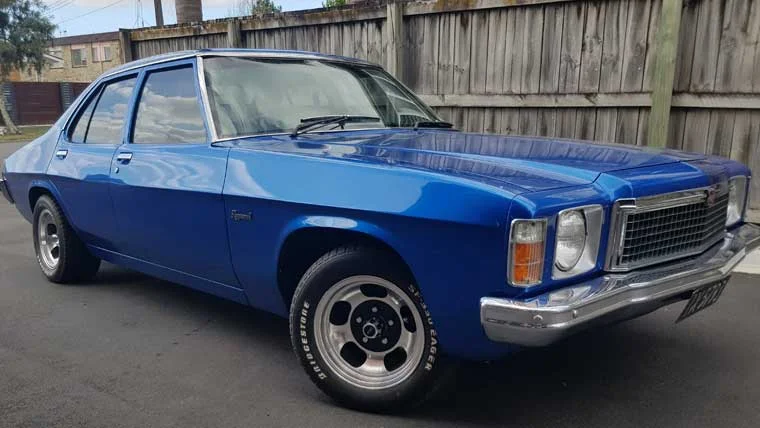
benefits-of-vehicle-window-tinting.webp

4 Benefits Of Vehicle Window Tinting

05 Oct 2020, By Admin

1. Keeps it from fading

The car is the most valuable asset that you can  have and you want it as long as possible, having the perfect professionally installed tint on the car is to protect your asset, using a windshield sun protector or parking your car in the shade can reduce the sun damage for a short period of time, window film always blocks harsh rays of the sun which can fade upholstery and discolor leather and the vinyl, it also helps the car from not cracking and wrapping to keep your car looking new for a long period of time, the window tinting also blocks windshield glare to decrease eye fatigue from direct sun and the headlights at night,

2. Blockage from Harmful rays

By tinting your window can block up to 99 percent of the sun's harmful ultraviolet rays which have shown to accelerate skin aging and cause skin cancer, the UV rays can form electromagnetic radiation, if exposed over a long period of time which can result in skin burns, darkening the skin, premature aging, and skin cancer, even a clear window film or a light film can protect UV protection that is capable of blocking UVA and UVB which are both damaging rays, according to research 53% of skin cancer in The United States is caused on the left side, which is linked for the driver is on the left side of the car for a long period of time

3. The coolness effect

With Window tinting, the cooling in the car is right for all its passengers applying a window tint will solve the issue, this can block the solar heat that builds in the car by up to 65%, you can balance climate and comfort for all the passengers this will help cut down fuel consumption from the overuse of air conditioning

4. The Tint Benefits

There are many safety benefits by installing a window film and it can't is underestimated, they are designed to keep the glass from shattering in case an object hits, if there is a car accident the passengers are protected from pieces of flying glass and from being ejected from the windows, it also protects it from thieves as they will find it difficult to break the tinted glass windows.

By applying a window tint , you’re making the most out of your car, making sure it is in the long run and helping it by putting protection that will protect it from the damage and harmful rays of the sun.

Dr Tint is a leading Automobile Window Tinting Company in Hamilton, New Zealand. 

Book Now

Why Tinting your car's windows can prove to be a boon for your leather upholstery?

The Ultimate Guide to Vehicle Wraps in Auckland!

05 Oct 2020, By Admin

Revitalizing Your NZ Business with Vehicle Wrap Design

Vehicle branding is a powerful, creative, and eye-catching way to promote your business across New Zealand.

As one of the most cost-effective marketing methods, it offers broad exposure at a relatively low cost, leading to a strong return on investment (ROI). However, the success of your vehicle advertising campaign depends heavily on the quality and design of the vehicle wrap you choose.

In this blog, we’ll guide you through the steps to create impactful vehicle wraps and elevate your branding strategy. Let’s get started!

What is vehicle wrap branding?

Vehicle wrap branding is a creative way to promote your business by applying a custom-designed vinyl graphic or decal to your vehicle. This wrap is placed directly over the original paint, transforming the vehicle’s appearance. The best part? These wraps are fully removable, allowing you to update or switch designs whenever you like.

There are several types of vehicle wraps available for businesses, including:

Full Vehicle Wraps

A full vehicle wrap covers the entire exterior of the vehicle, offering not only a striking new look but also protection from minor bumps, scratches, and damages. If you're using your personal vehicle to advertise your business, full vehicle wraps are an excellent option, providing maximum coverage and a complete transformation of your vehicle's appearance.

Partial Wraps

Partial wraps, as the name implies, cover only selected areas of the vehicle, providing a more understated branding option. This approach works well if you're aiming for a subtle effect. However, a less prominent design might not grab enough attention from passersby. To ensure your brand makes a statement, it's essential to craft creative and eye-catching partial wraps that help your vehicle and brand stand out on the streets.

Fleet Wraps

If your business operates multiple trucks, fleet wraps are an excellent marketing strategy. The large surface area of commercial trucks provides ample space for creative and bold designs. With eye-catching fleet wrap designs, your trucks can act as moving billboards, capturing attention and promoting your brand to a wide audience, especially in busy traffic!

How Vehicle Wrap Design Benefits NZ Small Businesses

Vehicle wrap advertising is one of the most effective promotion strategies for businesses of all sizes. With customizable designs and a variety of vehicle options, the advantages are extensive. Here are some key benefits that can boost your sales over time:

Ongoing Advertising

For growing businesses, visibility is crucial. The more exposure your ad gets, the more successful your campaign will be—and vehicle wraps are a great way to achieve this. With vehicle wrap advertising, your business is constantly on display, reaching a wide audience as the vehicle moves around. Whether in high-traffic areas or local neighborhoods, your brand will be seen by potential customers, increasing the chances of successful sales.

Cost-Effective Marketing

Vehicle wrap designs, whether for vans, buses, or cars, are a cost-efficient advertising solution. For a relatively small investment, you get both brand visibility and a professional look for your vehicle.

If you're a startup with a limited budget, vehicle wrap advertising is ideal. The cost varies based on the vehicle, the wrap coverage, and the design agency you choose, but it remains an affordable option that fits within most budgets.

Increased Lead Generation

With your vehicle constantly on the road, it naturally attracts attention. This helps increase brand awareness and recognition, which can lead to more inquiries and potential sales. Vehicle wrap advertising offers more leads at a lower cost compared to other marketing strategies.

Key Tips for Designing Vehicle Wraps

Your vehicle wrap acts as a mobile billboard, so it's essential to create a design that grabs attention and communicates your message effectively. Here are some important tips to consider:

  • Attention-grabbing graphics and visuals To stand out among the many vehicles on the road, your design needs to be visually striking. Use creative, impactful graphics that clearly convey your brand message and call to action (CTA). The design should be visible from a distance and highlight key aspects of your brand and products.

Proper placement of contact information and call-to-action

To maximize leads and sales, it's crucial to prominently feature your contact information and a strong call-to-action (CTA) in your vehicle wrap design. Use clear, legible fonts and bold, bright colors to ensure visibility. Organize the information in a logical hierarchy, making the CTA and contact details stand out for maximum impact. This will help your audience quickly understand how to engage with your business.

Balancing aesthetics and readability in vehicle wraps

Creating an attractive vehicle wrap is important, but balancing design with readability is key. If the design is too overpowering, it can overshadow the text and dilute your brand’s message, undermining the effectiveness of the ad. Stick to your brand’s color palette and prioritize the product, call-to-action (CTA), and contact details. Organize the design in a way that guides the viewer's eye, making it easy to understand and engage with the message. This ensures your ad is both visually appealing and impactful.

The Value of Professional Vehicle Wraps

Commercial vehicle wraps can be a highly rewarding investment due to their impressive return on investment (ROI). Yet, crafting an effective wrap design involves a complex array of elements, including color selection, ad content, fonts, and graphics.

To achieve the best results with your vehicle wrap, it’s essential to work with a skilled vehicle wrap designer in New Zealand. Experienced designers bring years of expertise in creating and applying wraps, ensuring that your advertisement is both effective and stands out from the competition.

See More

Why Tinting your car's windows can prove to be a boon for your leather upholstery?

Can I Tint My Car's Windscreen in New Zealand?

05 Oct 2020, By Admin

Car windscreen tinting in New Zealand is subject to specific regulations to ensure safety and compliance with the law. According to New Zealand's Land Transport Rule, tinting on the front windscreen is generally restricted. A clear strip at the top of the windscreen, often referred to as a Sun strip, is permissible but must not exceed 100mm in width. This strip helps reduce glare from the sun while driving. For the rest of the windscreen, a minimum of 70% Visible Light Transmission (VLT) is required, meaning the tint must allow at least 70% of light to pass through. These regulations are in place to ensure drivers maintain clear visibility for safe driving conditions. Before proceeding with car windscreen tinting, it is crucial to consult with professional tinting services to ensure your vehicle adheres to these legal requirements.

Understanding Car Windscreen Tint Regulations

In New Zealand, the Land Transport Rule: Vehicle Equipment and Inspection (2004) sets out clear guidelines regarding the tinting of car windows, including the windscreen. According to these regulations, there are strict rules about how much tinting is allowed on the windscreen to ensure driver visibility and road safety.

Key Regulations for Windscreen Tinting:

  1. Visibility Requirements: The most crucial regulation is that the windscreen must allow a certain level of light transmission. The rule generally states that the windscreen must allow at least 70% of light to pass through. This ensures that drivers have an unobstructed view of the road and surroundings.
  2. Tinted Bands: While full tinting of the windscreen is not permitted, you can apply a tinted band to the top of the windscreen. This band, also known as a Sun strip, helps to reduce glare from the sun without compromising visibility. The band must be positioned above the line of sight and should not exceed a certain percentage of the windscreen’s total area.
  3. Quality of Tint Film: Any tint film used on the windscreen must comply with New Zealand standards and should not interfere with the vehicle's safety features, such as airbags or sensors. It's important to choose a high-quality tint film that meets these standards to avoid any legal issues.

Why Consider Tinting Your Windscreen?

While the full tinting of the windscreen is restricted, a tinted sunstrip can offer several benefits:

  • Reduced Glare: A tinted sun strip can significantly reduce glare from the sun, improving driving comfort and safety during sunny conditions.
  • Heat Reduction: Tinted bands can help reduce the amount of heat that enters your vehicle, making it more comfortable during hot days.
  • UV Protection: Tinted films can block harmful UV rays, protecting the interior of your car from fading and damage.

Choosing a Professional Tinting Service

If you’re considering adding a tinted band to your windscreen, it’s best to consult with a professional tinting service. They will ensure that the tint complies with New Zealand regulations and is applied correctly. Professional tinting services can also offer advice on the best type of tint film to use and can help you choose a solution that meets your needs while adhering to legal requirements.

Conclusion

In summary, while full tinting of your car's windscreen is not allowed in New Zealand, you can apply a tinted band to the top of the windscreen to reduce glare and enhance comfort. It’s essential to adhere to the regulations regarding light transmission and the quality of tint film to ensure safety and compliance. If you’re considering this enhancement, consult with a professional to get the best results and avoid any legal issues. By understanding and following these guidelines, you can enjoy the benefits of car windscreen tinting while staying within the legal limits.

See More

Why Tinting your car's windows can prove to be a boon for your leather upholstery?

Choosing the Right Window Tint for Your Home: A Comprehensive Guide

05 Oct 2020, By Admin

Windows are the eyes of your home, providing natural light, ventilation, and a connection to the outside world. However, they can also be a source of problems, such as excessive heat, glare, and harmful UV rays. Window tinting offers a practical solution to these issues, but selecting the right window tint can be a daunting task. In this guide, we'll walk you through the process of choosing the appropriate window tint for your home based on your specific needs, climate, and window types.

1. Assess Your Needs:

Before diving into the world of window tinting, it's crucial to assess your specific requirements. Consider the following factors:

  • Privacy: Do you need increased privacy without sacrificing natural light?
  • Heat Reduction: Is your home excessively hot, especially during summer months?
  • Glare Reduction: Do you struggle with glare from sunlight that affects your comfort and visibility?
  • UV Protection: Are you concerned about fading furniture and flooring due to UV rays?
  • Energy Efficiency: Are you looking to reduce energy costs by improving insulation?

2. Understand Different Types of Window Tints:

There are various types of window tints available, each designed to address specific issues:

  • Solar Control Films: Ideal for heat and glare reduction, these films block UV rays and improve energy efficiency.
  • Privacy Films: These tints provide privacy during the day while allowing natural light to enter your home.
  • Security Films: Reinforce your windows for added security, protecting your home from break-ins and accidents.
  • Decorative Films: Enhance aesthetics with decorative window films available in various patterns and designs.

3. Consider Your Climate:

The climate of your region plays a significant role in choosing the right window tint:

  • Hot Climates: Opt for tints with high solar heat rejection and UV protection to keep your home cool and protect from sun damage.
  • Cold Climates: Look for tints with insulating properties to retain indoor heat during winters, reducing heating costs.

4. Think About Window Types:

Different window types require different tinting solutions:

  • Double-Pane Windows: Consult with a professional, as certain films can trap heat between the panes, potentially causing damage.
  • Low-E Coated Windows: Use tints recommended by the window manufacturer to maintain the Low-E coating's effectiveness.
  • Older Windows: Consider films that provide insulation, improving energy efficiency in older, less insulated windows.

5. Seek Professional Advice:

While there are DIY tinting kits available, consulting with a professional window tinting service is invaluable. They can assess your specific needs, recommend suitable products, and ensure proper installation, maximizing the tints' effectiveness and longevity.

6. Read Reviews and Get Samples:

Research online reviews and testimonials to learn about other homeowners' experiences with specific window tints. Additionally, request samples from manufacturers or service providers to physically see how different tints look and perform in your home environment.

7. Maintenance and Warranty:

Consider the maintenance requirements and warranty offered with the window tint. Some tints may require special cleaning methods to preserve their effectiveness, while others come with comprehensive warranties, ensuring long-term satisfaction.

In conclusion, choosing the right window tint for your home involves careful consideration of your specific needs, the climate you live in, and the types of windows you have. By understanding these factors and seeking professional guidance, you can enhance your home's comfort, energy efficiency, and overall aesthetics, making an informed choice that you'll appreciate for years to come.

See More

Feedback
   Feedback    Call Now