963d89e197ac514ea8e89b42f475900e.webp

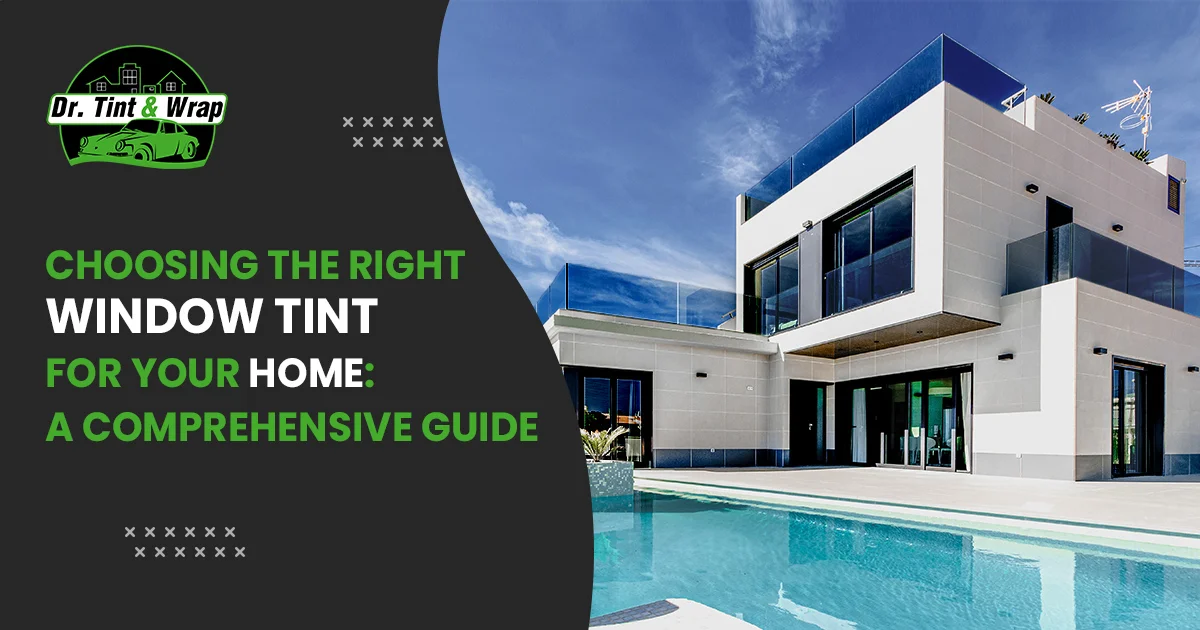
Choosing the Right Window Tint for Your Home: A Comprehensive Guide

11 Oct 2023, By Admin

Windows are the eyes of your home, providing natural light, ventilation, and a connection to the outside world. However, they can also be a source of problems, such as excessive heat, glare, and harmful UV rays. Window tinting offers a practical solution to these issues, but selecting the right window tint can be a daunting task. In this guide, we'll walk you through the process of choosing the appropriate window tint for your home based on your specific needs, climate, and window types.

1. Assess Your Needs:

Before diving into the world of window tinting, it's crucial to assess your specific requirements. Consider the following factors:

  • Privacy: Do you need increased privacy without sacrificing natural light?
  • Heat Reduction: Is your home excessively hot, especially during summer months?
  • Glare Reduction: Do you struggle with glare from sunlight that affects your comfort and visibility?
  • UV Protection: Are you concerned about fading furniture and flooring due to UV rays?
  • Energy Efficiency: Are you looking to reduce energy costs by improving insulation?

2. Understand Different Types of Window Tints:

There are various types of window tints available, each designed to address specific issues:

  • Solar Control Films: Ideal for heat and glare reduction, these films block UV rays and improve energy efficiency.
  • Privacy Films: These tints provide privacy during the day while allowing natural light to enter your home.
  • Security Films: Reinforce your windows for added security, protecting your home from break-ins and accidents.
  • Decorative Films: Enhance aesthetics with decorative window films available in various patterns and designs.

3. Consider Your Climate:

The climate of your region plays a significant role in choosing the right window tint:

  • Hot Climates: Opt for tints with high solar heat rejection and UV protection to keep your home cool and protect from sun damage.
  • Cold Climates: Look for tints with insulating properties to retain indoor heat during winters, reducing heating costs.

4. Think About Window Types:

Different window types require different tinting solutions:

  • Double-Pane Windows: Consult with a professional, as certain films can trap heat between the panes, potentially causing damage.
  • Low-E Coated Windows: Use tints recommended by the window manufacturer to maintain the Low-E coating's effectiveness.
  • Older Windows: Consider films that provide insulation, improving energy efficiency in older, less insulated windows.

5. Seek Professional Advice:

While there are DIY tinting kits available, consulting with a professional window tinting service is invaluable. They can assess your specific needs, recommend suitable products, and ensure proper installation, maximizing the tints' effectiveness and longevity.

6. Read Reviews and Get Samples:

Research online reviews and testimonials to learn about other homeowners' experiences with specific window tints. Additionally, request samples from manufacturers or service providers to physically see how different tints look and perform in your home environment.

7. Maintenance and Warranty:

Consider the maintenance requirements and warranty offered with the window tint. Some tints may require special cleaning methods to preserve their effectiveness, while others come with comprehensive warranties, ensuring long-term satisfaction.

In conclusion, choosing the right window tint for your home involves careful consideration of your specific needs, the climate you live in, and the types of windows you have. By understanding these factors and seeking professional guidance, you can enhance your home's comfort, energy efficiency, and overall aesthetics, making an informed choice that you'll appreciate for years to come.

Why Tinting your car's windows can prove to be a boon for your leather upholstery?

Car Wrapping Prices Demystified: Factors That Affect the Cost

11 Oct 2023, By Admin

Car wrapping has become an increasingly popular option for vehicle owners who want to give their cars a unique appearance or protect their original paintwork. However, one common question that arises when considering car wrapping is, "How much does it cost?" Car wrapping prices can vary significantly depending on several factors. In this blog post, we will demystify car wrapping prices and explore the key factors that influence the cost.

1. Type of Wrap Material

The choice of wrap material plays a crucial role in determining the cost of car wrapping. There are various options available in the market, ranging from basic vinyl wraps to premium-grade materials. The quality, durability, and finish of the wrap material directly affect the price. High- quality materials tend to be more expensive, but they offer better longevity and superior aesthetics.

2. Vehicle Size and Complexity

The size and complexity of the vehicle are essential considerations in pricing car wrapping services. Larger vehicles such as trucks, SUVs, or vans require more material and labor, resulting in higher costs compared to smaller cars. Similarly, vehicles with intricate body designs, curves, and contours demand additional time and expertise ensure a seamless installation, which can affect the overall pricing.

3. Partial or Full Wrap

Another factor that impacts car wrapping prices is whether you opt for a partial also known as only roof and bonnet wrap or full wrap. A full wrap covers the entire vehicle, including the roof, hood, trunk, and all the body panels. Partial wraps, on the other hand, cover only specific areas of the car. Naturally, a full wrap requires more material and labor, leading to a higher cost compared to a partial wrap.

4. Custom Design and Graphics

If you desire a customized design or graphics on your car wrap, the cost will be influenced by the complexity and intricacy of the design. Custom artwork, logos, or intricate patterns require specialized skills and precision, which may result in additional charges. The more detailed and elaborate the design, the higher the cost will be.

5. Additional Services

Additional services, such as surface preparation, paint protection, and removal of previous wraps, can also impact the overall car wrapping price. Proper surface preparation, including cleaning, degreasing, and removal of any contaminants, is vital for achieving a smooth and long-lasting finish. Paint protection films or clear coats may be recommended to enhance the durability of the wrap, but they can add to the cost.

6. Geographic Location

Car wrapping prices can also vary based on the geographic location. Costs tend to be higher in urban areas or regions with a higher cost of living. Additionally, market competition and local demand can influence pricing. It is advisable to research multiple providers in your area to get a better understanding of the prevailing rates.

Car wrapping prices can vary significantly depending on various factors such as the type of wrap material, the size and complexity of the vehicle, the extent of coverage, custom design requirements, additional services, and geographic location. It is crucial to consider these factors when estimating the cost of car wrapping. To ensure a successful and satisfactory outcome, it is recommended to consult with professional car wrapping providers who can provide accurate pricing information based on your specific requirements. Dr. Tint stands out as a leading provider of top-notch car and vehicle wrapping services, offering the best quality and competitive prices in Hamilton, Rotorua, and Tauranga. Remember, investing in quality materials and expert installation is key to achieving a stunning and long-lasting car wrap.

See More

Why Tinting your car's windows can prove to be a boon for your leather upholstery?

The Ultimate Guide to Car Wrapping: Importance & Tips

11 Oct 2023, By Admin

If you're a car enthusiast looking to give your ride a unique and personalized touch, car wrapping can be an excellent option. Car wrapping is the process of applying a vinyl film onto the surface of a vehicle, completely transforming its appearance. It allows you to change the color, add the finishing, and even add custom graphics or designs to your car, creating a true masterpiece that reflects your style and personality. In this blog post, we will explore the world of car wrapping and how it can elevate your car enthusiast game to the next level.

Importance of Car Wrapping?

Car wrapping has become increasingly popular among car enthusiasts for several compelling reasons,

Customization - Car wrapping allows you to completely transform the appearance of your vehicle. With a wide range of colors, textures, and finishes available, you can create a unique and personalized look that reflects your style and personality. It gives you the opportunity to customize your vehicle without the permanence of a traditional paint job, making it a flexible option for those who like to change up their vehicle's appearance.

Protection - Car wraps provide a layer of protection to your car's original paint. The vinyl material used in car wraps acts as a barrier against minor scratches, chips, and fading from UV rays, helping to preserve the condition of your car's paint and keeping it looking newer for longer. This can be particularly beneficial if you want to maintain your car's resale value or lease a vehicle and want to protect it during the lease period.

Versatility - Car wraps can be used for a variety of purposes beyond just changing the color of your car. They can be used for advertising, business branding, or promoting a cause or event. Car wraps provide a cost-effective and attention-grabbing way to market your business or create awareness for a cause, as they turn your vehicle into a moving billboard that can reach a wide audience.

Reversibility - Unlike traditional paint jobs, car wraps are not permanent and can be easily removed without damaging your car's original paint. This means you can change or remove the wrap whenever you want, allowing for flexibility and versatility in your vehicle's appearance. It also means that if you're planning to sell your car or return a leased vehicle, you can remove the wrap and restore it to its original condition.

Cost-effective - Car wrapping can be a more cost-effective option compared to a traditional paint job, especially for complex designs or multiple color changes. The cost of a car wrap depends on factors such as the size of the vehicle, the type of wrap material used, and the complexity of the design. However, compared to the cost of a full repaint, car wrapping can be more budget-friendly while still providing a high-quality, customizable finish.

Non-permanent - Car wraps are a non-permanent option, which means you can experiment with different looks and styles without committing to a permanent change to your car's appearance. This gives you the freedom to try out different colors, finishes, and designs, and easily revert to the original look if you wish.

Tips for Car Wrapping Enthusiasts

If you're considering car wrapping for your vehicle, here are some tips to keep in mind:

Choose a Professional Installer - Car wrapping is a complex process that requires skill and experience. It's important to choose a professional installer who has a proven track record of quality work. Look for reviews, ask for recommendations, and check their portfolio before making a decision.

Decide on the Type of Wrap - There are different types of car wraps available, including vinyl wraps, color change wraps, and clear wraps. Consider your budget, desired look, and durability requirements when choosing the type of wrap that's best for your car.

Prepare Your Car - Before applying the wrap, make sure your car's surface is clean and free of any dirt, debris, or wax. A clean surface will ensure proper adhesion of the wrap and result in a smooth finish. Also, remove any accessories or trim that may interfere with the wrapping process.

Choose High-Quality Materials - Opt for high-quality vinyl materials for your car wrap. High- quality materials are more durable, resistant to UV rays, and can withstand the elements better, ensuring your wrap will last longer and look better.

Consider Maintenance - Car wraps require regular maintenance to keep them looking their best. Follow the manufacturer's instructions for care and maintenance, which may include avoiding harsh chemicals, hand washing, and avoiding high-pressure car washes.

Be Mindful of Environmental Factors - Extreme temperatures, prolonged exposure to sunlight, and harsh weather conditions can affect the lifespan of your car wrap. Parking your car in shaded areas, using a car cover, and avoiding harsh environmental conditions can help prolong the lifespan of your car wrap.

Avoid DIY Wrapping - Car wrapping is a skilled trade that requires proper training and experience. Attempting to wrap your car yourself without the proper knowledge and tools can result in a subpar finish and damage to your car's paint. It's best to leave car wrapping to the professionals.

Plan for Removal - Car wraps are not permanent and will eventually need to be removed. Plan for the removal process and be prepared for the possibility of minor paint touch-ups after removal. It's important to follow the manufacturer's instructions for proper removal to avoid damaging your car's paint.

Get a Warranty - Look for a professional installer who offers a warranty on their workmanship and the materials used. A warranty can provide you with peace of mind and protection against any potential issues with your car wrap.

Dr. Tint & Wrap is a professional and one of the leading car wrapping service providers in New Zealand. At Dr. Tint & Wrap, we take total care of all the mentioned tips and strictly follow local laws and regulations regarding car wraps, including restrictions on colors, designs, and placement of wraps. Some areas may have specific rules and regulations that need to be followed to avoid any legal issues.

See More

Why Tinting your car's windows can prove to be a boon for your leather upholstery?

Top 5 Benefits of Having Your Car Windows Tinted

11 Oct 2023, By Admin

Introduction

Car window tinting has become a popular trend among car enthusiasts, and for good reason. Beyond the stylish appearance it lends to your vehicle, car window tinting offers a plethora of benefits that go beyond aesthetics. In this blog, we will delve into the top 5 advantages of having your car windows tinted, shedding light on the many reasons why this automotive enhancement has gained widespread popularity.

UV Ray Protection

One of the primary advantages of car window tinting is its ability to block harmful ultraviolet (UV) rays from the sun. Prolonged exposure to UV rays can lead to various health issues, including skin cancer. Tinted windows act as a barrier, reducing UV radiation and protecting both the driver and passengers from potential sun damage.

Heat Reduction

On a scorching hot day, the temperature inside your car can skyrocket. Window tinting acts as a barrier against the sun's heat, reducing the interior temperature and making your driving experience more pleasant. By minimizing heat buildup, you can rely less on your air conditioning, leading to improved fuel efficiency and reduced strain on your vehicle's cooling system.

Enhanced Privacy and Security

Privacy is a key concern for many car owners, and window tinting provides an effective solution. Darkened windows make it harder for prying eyes to see into your vehicle, protecting your belongings and ensuring a greater sense of security. This added privacy can be particularly beneficial when parked in public places, reducing the risk of theft and break-ins.

  • Glare Reduction:

    Driving in bright sunlight can be challenging, with glare from the sun often causing discomfort and safety hazards. Car window tinting significantly reduces glare, providing a clearer and safer view of the road ahead. This is especially valuable during sunrise and sunset, as well as in adverse weather conditions. By minimizing glare, window tinting contributes to improved visibility and overall driving safety.

  • Aesthetic Appeal:

    While the functional benefits of car window tinting are numerous, there's no denying the aesthetic appeal it brings to a vehicle. Tinted windows give your car a sleek, sophisticated look that sets it apart from others on the road. The variety of tint shades available allows you to customize the appearance of your car, adding a touch of personal style.

What is car window tinting, and how does it work?

Car window tinting involves applying a thin film to the windows of a vehicle to reduce the amount of visible light, infrared radiation, and ultraviolet (UV) rays that enter the car. This film is typically made of polyester and may contain various layers to achieve specific effects. The tinting process helps regulate the amount of light and heat that enters the vehicle, providing several benefits.

Are there any regulations or restrictions regarding car window tinting?

Yes, regulations regarding car window tinting vary by location. It's essential to check and comply with local laws to avoid legal consequences. Typically, regulations address factors such as the level of tint darkness allowed, the percentage of light that must pass through the tint, and whether certain windows can be tinted. Always research and adhere to your region's specific guidelines for car window tinting.

Can I tint my car windows myself, or should I seek professional help?

While some car enthusiasts may attempt to tint their windows at home, it is generally recommended to seek professional help. Professional installers have the expertise, experience, and tools to ensure a proper and even application. DIY attempts may result in air bubbles, uneven tinting, and an overall subpar finish. Additionally, professional installations often come with warranties, providing peace of mind and recourse if any issues arise.

How long does car window tinting typically last?

The lifespan of car window tinting can vary based on factors such as the quality of the tint film, climate, and how well it is maintained. High-quality tint films, when professionally installed, can last anywhere from 5 to 10 years or more. Regular maintenance, such as gentle cleaning with recommended solutions and avoiding abrasive materials, can contribute to the longevity of the tint. If you notice any signs of peeling or discoloration, it's advisable to consult a professional for repairs or replacement.

Conclusion

Car window tinting is more than just a cosmetic enhancement – it's a practical investment that offers a range of benefits, from protecting your health and preserving your vehicle's interior to enhancing privacy and elevating the overall driving experience. If you haven't considered window tinting for your car yet, these top 5 advantages might just convince you to explore this valuable automotive upgrade.

See More

Feedback
   Feedback    Call Now