how-car-window-tinting-enhances-the-aesthetics-of-your-vehicle-in-tauranga.webp

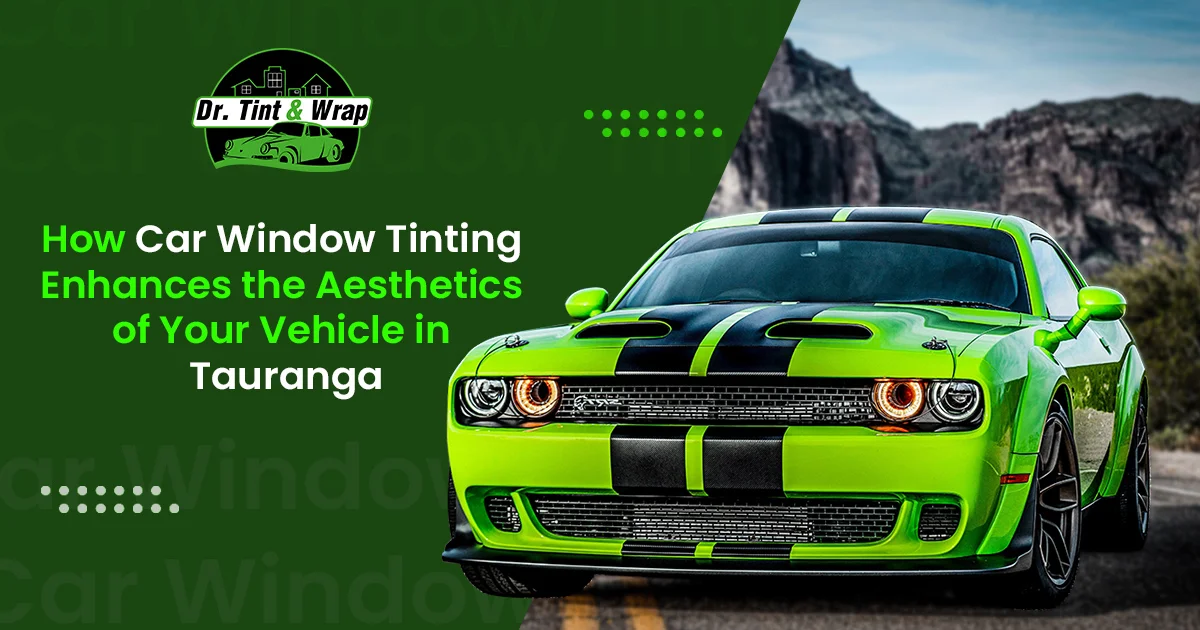
How Car Window Tinting Enhances the Aesthetics of Your Vehicle in Tauranga

05 Jul 2023, By Admin

When it comes to car window tinting in Tauranga, finding a reliable and skilled service provider is crucial. Among the various options available, Dr. Tint & Wrap has emerged as the top choice for car owners in the region. This comparative review explores the reasons why Dr. Tint & Wrap stands out from the competition and why it is considered the premier car window tinting service provider in Tauranga.

1. Exceptional Expertise and Experience

With years of experience in the industry, Dr. Tint & Wrap has built a solid reputation for its exceptional expertise in car window tinting. Their team consists of highly skilled professionals who are knowledgeable about the latest tinting techniques, industry trends, and regulations specific to Tauranga. This expertise ensures that customers receive high-quality services and optimal results.

2. Extensive Range of Services

Dr. Tint & Wrap offers a comprehensive range of services beyond window tinting, catering to the diverse needs of car owners. In addition to tinting, they provide services such as vehicle wrapping, paint protection film installation, and headlight restoration. This versatility sets them apart from competitors, providing customers with a one-stop solution for all their car enhancement needs.

3. Quality Materials and Cutting-Edge Technology

To ensure long-lasting and visually appealing results, Dr. Tint & Wrap utilizes only high-quality materials and cutting-edge technology. They partner with reputable suppliers to source top-grade window films that offer superior heat and UV protection, glare reduction, and privacy. The use of advanced tools and techniques during the tinting process guarantees precise and flawless installations.

4. Customization Options

Understanding that every customer has unique preferences, Dr. Tint & Wrap offers customization options to meet individual requirements. They provide a wide selection of tint shades, allowing customers to choose the level of darkness and appearance that suits their style. Additionally, their skilled technicians can provide expert advice and recommendations to help clients make informed decisions.

5. Excellent Customer Service

Dr. Tint & Wrap prioritizes customer satisfaction, evident in their commitment to providing excellent customer service. Their friendly and knowledgeable staff members are dedicated to addressing inquiries, providing accurate information, and ensuring a smooth and pleasant experience for every client. Positive reviews and testimonials from satisfied customers further attest to their exceptional service.
When it comes to car window tinting in Tauranga, Dr. Tint & Wrap stands out as the top service provider. Their combination of expertise, extensive services, quality materials, customization options, and excellent customer service sets them apart from competitors. Car owners can trust Dr. Tint & Wrap to deliver outstanding results and enhance their driving experience through their exceptional car window tinting services.

Why Tinting your car's windows can prove to be a boon for your leather upholstery?

What Are The Pros And Cons Of Wrapping A Car?

05 Jul 2023, By Admin

Considering giving your car a fresh look? Wrapping cars might be the solution you're seeking. With a plethora of colors and designs to choose from, and the option to customize your own, personalizing your car has never been more convenient. However, before you invest your money - and potentially your time, especially if you're inclined to try it yourself - let's delve into the advantages and disadvantages of wrapping cars.

The choice of materials and the application technique you adopt play crucial roles in determining the final outcome of your car wrap. To provide you with a comprehensive understanding, we, along with insights from our Chips Away technicians, aim to outline all the positive and negative aspects associated with wrapping cars.

Pro’s Of Car Wraps

Now a well-wrapped car can fool most onlookers

  • It's individualized for you As car wraps reach new levels of quality, featuring flawless finishes and customizable designs that match your personality, an increasing number of drivers are choosing this option. Whether opting for a complete vehicle wrap or focusing on specific elements like the wheels, this personalized approach provides the flexibility to own a truly unique car. It's important to note that not all wraps involve bold and vibrant colors; vinyl wraps come in a wide range, enabling you to switch colors regularly without the long-lasting commitment of a traditional respray.
  • Protect your Paint An excellent motive for opting for a car wrap is to safeguard your vehicle's paintwork. The vinyl wrap serves as a protective shield, shielding against minor chips and dings caused by stones and other road hazards. If you intend to maintain the vehicle in its pristine condition for a potential resale, safeguarding the paint ensures the retention of its resale value and eliminates the need for minor scratch repairs. For a more understated appearance, Oliver Edwards, our ChipsAway specialist in Totton and Hythe, recommends a 'clear protection system.' When applied to the front of your cherished vehicle, this system prevents stone chips while allowing the original color to shine through
  • Cost-effective Colour Instead of investing in an entire repaint, opting for a car wrap provides an affordable way to experiment with different colors. The cost of a vinyl wrap may fluctuate, particularly when seeking professional services at a body shop, but it remains a more economical alternative. This option not only offers flexibility in terms of style and design but also allows you to control the duration for which you keep the wrap.
  • It can be removed Should you opt for a change in your vehicle's appearance within the next six months to a year, you have the flexibility to easily remove your existing car wrap. It's important to note that when we say "simply," we mean it in a figurative sense, as the process of removing a car wrap is deliberate and gradual to safeguard the integrity of your vehicle. Consider employing techniques such as using a heat gun, adopting a slow peel method, and steering clear of abrasive solutions when undertaking the removal of a vinyl wrap.

Con’s of Car Wraps

You receive the quality commensurate with your investment.

Not all wraps are made equal," emphasizes Steve Perkins, a ChipsAway specialist covering the Hartlepool area. If you're contemplating wrapping your car on a budget, it's crucial to recognize that the quality of the wrap correlates directly with the cost. Opting for a do-it-yourself approach with a cheap wrap might seem like a cost-saving strategy, but it often results in a less satisfactory finish compared to trade wraps or those known for their superior quality.

Steve, who describes himself as a novice in the wrapping realm, points out that "[a] trade quality product is often quite amenable to self-healing." This implies that with gentle heat, minor scratches, and even holes can "melt" away, allowing the wrap to "self-heal." This advantageous feature is not always present in lower-quality products, underscoring the importance of considering the potential drawbacks when contemplating a home kit instead of seeking professional expertise.

  • Dynamic Color Transformations Although the initial aesthetic appeal of covering your red car with black vinyl is undeniable, it's essential to consider a potential drawback. Over time, any scuffs or scratches on the wrap may lead to a noticeable color change. As the damage accumulates, the original color may seep through, diminishing the overall finish and making it more apparent. Additionally, the protective function of the vinyl wrap will diminish, leaving the underlying paint vulnerable to further harm.
  • Take into account the legal aspects. If you intend to apply a complete body wrap that significantly alters your car's color, such as changing it from black to red, it is essential to notify both your insurance company and the DVLA. This procedure can be time-consuming, especially if you plan to wrap your car temporarily before reverting to its original state. Before committing to an exterior full-body wrap and investing money, it's advisable to research online.

See More

Why Tinting your car's windows can prove to be a boon for your leather upholstery?

What is Car Tint and how much does it cost in Auckland

05 Jul 2023, By Admin

Car tint is a thin film applied to vehicle windows that helps control the amount of light and heat entering the car's interior. Available in various shades and levels of darkness, car tint offers a range of benefits, including increased privacy, UV protection, and heat reduction. It can reduce glare, shield upholstery and interior surfaces from sun damage, and improve energy efficiency. Additionally, tinted windows can enhance a vehicle's appearance and safety by providing extra shatter resistance in case of an accident. However, it's important to be aware of and comply with local car tinting laws and regulations to avoid fines or penalties.

What Are the Benefits of Car Tint?

Car tinting offers several advantages for vehicle owners in New Zealand. A major benefit is improved privacy, as tinted windows make it harder for others to see inside the vehicle, which is particularly useful for those who keep valuables in their car.

Another advantage is reduced glare. Tinted windows cut down on the amount of sunlight entering the vehicle, minimizing glare and creating a more comfortable driving experience, especially on sunny days or for those with sensitive eyes.

Car tinting also provides enhanced UV protection. By blocking harmful UV rays, car tint helps protect both skin and eyes from sun damage. This is especially important in New Zealand, where high UV levels contribute to elevated skin cancer rates.

Additionally, tinted windows improve comfort by regulating the vehicle's interior temperature. By reducing heat buildup, car tint decreases reliance on air conditioning, which can enhance fuel efficiency.

Finally, car tinting boosts a vehicle's aesthetic appeal. It adds a sleek, sophisticated look to any car, from station wagons to sports cars, with various shades and styles available to match individual preferences and vehicle types.

In summary, car tinting in New Zealand offers enhanced privacy, reduced glare, increased UV protection, improved comfort, and an upgraded appearance, making it a popular choice among vehicle owners.

Cost Factors for Car Tinting in New Zealand

Several factors can affect the cost of car tinting in New Zealand. One of the primary considerations is the size of the vehicle and the number of windows to be tinted. Larger vehicles, such as SUVs or vans, generally require more materials and labor, leading to higher costs. The type and quality of the tinting film also play a significant role in pricing. Standard tints are typically more affordable, while high-performance ceramic films, known for their superior heat and UV-blocking properties, are more expensive. The desired darkness or level of tint can also influence the cost, as darker tints may require additional layers. Additionally, the reputation and expertise of the tinting service provider can impact the price. Choosing a reputable, experienced professional may cost more but ensures high-quality installation without defects or damage. Considering these factors can help car owners make informed decisions and find a balance between their budget and the desired benefits of car tinting.

Types of Car Tint

Car tinting involves applying a thin, transparent film to vehicle windows. In New Zealand, various types of car tint are available to suit different needs and preferences, each offering distinct characteristics and benefits:

  • Dyed Films: These are the most common and cost-effective options. They reduce sunlight and glare, enhance interior comfort, and offer some UV protection.
  • Metallic Films: These films contain metalized particles that improve heat rejection and glare reduction. They are well-suited for hot climates and sunny conditions.
  • Carbon Films: Known for excellent UV protection and heat rejection, carbon films do not interfere with electronic devices and offer good visibility with high light transmittance.
  • Ceramic Films: Advanced ceramic films provide the highest level of heat rejection without affecting electronic signals. They offer exceptional UV protection, reduce glare, and maintain excellent visibility.
  • Crystalline Films: Crystalline films are the top-of-the-line option. Crystal films provide extreme heat rejection while ensuring maximum visibility and a clear appearance. Although they are more expensive, they deliver the ultimate driving experience.

When choosing the right car tint film for your vehicle, consider factors such as heat rejection, UV protection, visibility, and your personal preferences. Consulting with a professional window tinting service can help you select the best option for your needs.

Size of Vehicle Windows

The cost of car tinting is significantly influenced by the size of your vehicle's windows. Larger windows, such as rear windshields, typically involve higher expenses due to the need for more tinting film and increased labor. The greater surface area requires additional materials and more time to apply the film properly.

Smaller windows, on the other hand, need less film, which can lead to lower costs. The complexity of applying tint to larger windows, which often involves more meticulous work to ensure complete coverage, also contributes to higher costs.

When budgeting for car tinting, consider the size of your vehicle's windows. Larger windows, especially rear windshields, generally result in higher costs due to the increased material and labor required. For an accurate estimate based on your vehicle and window sizes, it's best to consult with a professional tinting service.

Number of Windows to be Tinted

The number of windows to be tinted varies depending on the size and type of the vehicle. Smaller vehicles, like sedans and hatchbacks, typically have a standard set of four windows: the front and rear side windows, and the rear windshield.

Larger vehicles, such as SUVs, vans, and station wagons, often have additional windows, including rear side windows and extra windows found in passenger vans. Tinting all windows enhances privacy and security, especially for larger vehicles, by making it more difficult for potential thieves to see inside and assess the value of items left in the car.

Tinting also provides optimal UV protection and reduces glare, protecting the vehicle’s interior from fading and decreasing the risk of skin damage. Additionally, it improves driving comfort by reducing glare from the sun.

In summary, the number of windows to be tinted depends on the vehicle's size and type. Tinting all windows offers benefits like increased privacy, enhanced security, UV protection, and glare reduction.

Quality of Window Film

The quality of window film is influenced by several factors. One key aspect is whether the film comes with a manufacturer's warranty, which ensures that the film meets certain standards and will perform as expected.

Another important factor is the optical clarity of the film. High-quality films should provide excellent visibility both during the day and at night, whereas poor-quality films may distort the view, potentially affecting driving safety.

It’s also crucial to consider any allowable modifications. Some films may offer options for additional tinted overlays, enhancing privacy and aesthetics. However, it’s important to ensure that any modifications comply with local legal restrictions.

Understanding the legal regulations regarding window tinting is essential, as different regions may have specific laws governing the darkness of tints. Adhering to these regulations helps avoid fines and ensures safe vehicle operation.

In summary, the quality of window film is determined by factors such as the manufacturer's warranty, clarity, and allowable modifications. Choosing high-quality films that offer clear visibility and comply with legal standards ensures a safe and enjoyable driving experience.

Installation Process and Labor Costs

The car tinting installation process involves several steps, and labor costs can vary based on vehicle size and the number of windows. The process starts with thoroughly cleaning the windows to create a smooth surface for the tint.

Next, the tint film is precisely measured and cut to fit each window. Accurate cutting is crucial for a proper fit. The film is then carefully applied to the inside of the windows, with a professional installer ensuring that any wrinkles or air bubbles are removed for a seamless finish.

Labor costs typically reflect the time and expertise required for installation. Larger vehicles with more windows generally require more labor, resulting in higher costs.

For an accurate quote based on your vehicle and window requirements, it's advisable to consult with a reputable car tinting service.

Legal Limitations on Window Tints in New Zealand

In New Zealand, window tinting must adhere to specific legal restrictions to ensure road safety. The New Zealand Transport Agency (NZTA) regulates the darkness of window tints through Visible Light Transmission (VLT) percentages. For front-side windows and windshields, the law requires a minimum of 35% VLT, meaning that at least 35% of visible light must pass through. Rear side windows and rear windshields also have a minimum VLT of 35% or darker, though these percentages are not cumulative. Reflective tints are prohibited.

To avoid fines and ensure compliance with New Zealand’s window tinting laws, vehicle owners should follow these regulations closely. Consulting a professional tinting service can help ensure that your vehicle meets legal requirements.

VLT Requirements for Passenger Vehicles and Vans in NZ

In New Zealand, Visible Light Transmittance (VLT) regulations vary for passenger vehicles and vans:

  • Passenger Vehicles: The front windscreen and front side windows must have a VLT of at least 35%, allowing 35% of visible light to pass through. There are no specific VLT requirements for the rear side windows or rear windscreen, so they can be tinted darker if desired.
  • Vans: The front windscreen must also meet the 35% VLT requirement. However, all other windows on vans, including the front side, rear side, and rear windscreen, must have a minimum VLT of 20%, allowing less visible light to pass through compared to passenger vehicles.

To ensure compliance with these regulations, glazing markings are often used on window films. These markings indicate the VLT percentage, making it easier for drivers and law enforcement to verify compliance.

Adhering to VLT requirements not only ensures legal compliance but also enhances driving comfort by reducing glare and providing UV protection while maintaining sufficient visibility for the driver.

Considerations for Sun Visors, Rear View Mirrors, and Windshields

Sun visors are designed to block direct sunlight and reduce glare, but tinting them is not recommended. Tinting can impair their function, which is to provide clear and unobstructed visibility.

Rear view mirrors must remain unaffected by window tinting to ensure they provide a clear reflection of the road behind. Tinting the windshield can impact the mirror’s effectiveness and the overall visibility of other vehicles.

In New Zealand, tinting on the front windscreen is restricted to a narrow strip along the top, known as a sun visor band. This strip must be no wider than 10 centimeters and cannot extend below the AS1 line marked on the glass.

Additionally, rear view mirrors and other accessories, such as radio antennas or demister units, should not be obstructed by modifications. Glazing markings on window film help verify that VLT requirements are met, ensuring safety and compliance.

In summary, when tinting car windows, consider the functionality of sun visors, rear view mirrors, and windshields. Adhering to legal requirements for these components, using glazing markings, and choosing a reputable tint installer will ensure compliance with regulations and maintain safe driving conditions.

Types of Car Tinting Products Available in New Zealand

When selecting car tinting products in New Zealand, there are various options to suit different needs and preferences. Each type of tint offers unique benefits, enhancing both comfort and style.

Standard Tints Standard tints are a popular choice for those seeking UV protection and moderate privacy. They provide a balanced level of light transmission, allowing enough visibility while offering some shade from the sun’s glare.

Ceramic Films Ceramic films are renowned for their superior performance. They excel in heat rejection, significantly reducing the amount of heat that enters the vehicle, which helps to keep the interior cooler and can lead to fuel savings by reducing air conditioning use. Additionally, ceramic films offer excellent UV protection, safeguarding both occupants and the vehicle’s interior from harmful sun rays. These films also minimize glare, improving driving comfort and safety. Durable and resistant to fading, bubbling, and peeling, ceramic films are a long-lasting investment for vehicle owners.

Carbon Films Carbon films are favored for their outstanding heat rejection and UV protection. These films come in various shades, allowing you to select the level of tint that best suits your preferences. Carbon films help keep the vehicle’s interior cool and reduce reliance on air conditioning, contributing to fuel efficiency. They maintain good visibility both during the day and at night, making them a practical choice for enhancing driving comfort and safety.

Metal Films Metal films feature tiny metal particles embedded in the film, providing a reflective appearance. They are highly effective in rejecting heat and blocking UV rays, helping to keep the car’s interior cooler and preventing damage to upholstery and occupants’ skin. However, metal films can sometimes create glare and may interfere with electronic devices like GPS or mobile phones.

Popular Brands of Window Tint

In New Zealand, several reputable brands offer high-quality window tinting products. Among the most trusted are STEK, 3M, and Lumar.

  • STEK: Known for its innovative and high-performance window films, STEK provides a range of options that cater to various needs, including advanced ceramic films for superior heat rejection and UV protection.
  • 3M: A leading name in the tinting industry, 3M offers a diverse selection of window films that combine durability with excellent heat and UV protection. Their products are designed to enhance comfort while maintaining clarity and visibility.
  • Lumar: Renowned for its high-quality and reliable window tints, Lumar provides a range of choices that deliver effective heat reduction and UV shielding, helping to preserve the vehicle’s interior and improve driving comfort.

Choosing a quality window tint from these reputable brands ensures superior performance, durability, and compliance with New Zealand’s tinting regulations. Although the initial cost may be higher, investing in a quality tint provides long-term benefits and enhances your driving experience.

See More

Why Tinting your car's windows can prove to be a boon for your leather upholstery?

How to Choose the Right Window Tint for Your Home in 2023

05 Jul 2023, By Admin

In the world of home improvement, one often overlooked but highly beneficial upgrade is home window tinting. As we step into 2023, the demand for window tinting solutions has grown significantly, driven by increased awareness of their advantages. Whether you're looking to enhance privacy, reduce energy costs, or protect your furnishings from harmful UV rays, choosing the right window tint for your home is crucial. In this guide, we'll explore the key factors to consider when selecting the perfect window tint for your home in 2023.

1. Identify Your Goals

Before diving into the world of window tinting, it's essential to determine your specific goals. Why do you want window tinting for your home? Common reasons include:

  • Privacy: Do you want to prevent prying eyes from peering into your living spaces?
  • Energy Efficiency: Are you looking to reduce your energy bills by blocking out heat in the summer and retaining warmth in the winter?
  • UV Protection: Do you want to safeguard your furniture, flooring, and artwork from harmful UV rays that can cause fading?
  • Glare Reduction: Is glare from the sun or nearby buildings affecting your comfort while working or relaxing indoors?

Knowing your objectives will help you choose the right type of window tint to fulfill your needs.

2. Understand Different Types of Window Tints

In 2023, there are various types of window tints available, each with its unique features and benefits. Some of the most common options include:

  • Solar Control Films: These tints are designed to reduce heat and glare, making your home more comfortable and energy-efficient. They can also block a significant portion of harmful UV rays.
  • Privacy Films: These tints provide enhanced privacy during the day while allowing you to see out. They are perfect for homes with large windows or those in close proximity to neighbors.
  • Decorative Films: If you want to add a touch of style to your windows, decorative films come in various patterns and designs. They can provide privacy and aesthetics simultaneously.
  • Security Films: These films are designed to strengthen windows and make them more resistant to break-ins and accidents. They can be a valuable addition to your home's security system.
  • UV-Blocking Films: If preserving the color and integrity of your furnishings is a priority, UV-blocking films are an excellent choice. They significantly reduce the harmful effects of UV rays on your interior decor.

3. Consider Local Regulations

Before you proceed with window tinting, it's crucial to check your local regulations and building codes. Some areas may have restrictions on the type or darkness of window tint allowed, especially for front-facing windows. Compliance with local laws ensures you avoid potential fines or complications.

4. Evaluate Tint Performance

When choosing a window tint, pay attention to its performance metrics, including:

  • Visible Light Transmission (VLT): This measures the amount of visible light that can pass through the tint. A lower VLT means less light passes through, which can be helpful for glare reduction and privacy.
  • Solar Heat Gain Coefficient (SHGC): This metric indicates how much heat the tint can block. Lower SHGC values are better for reducing heat gain during hot months.
  • U-Factor: This measures how well the tint insulates your windows. A lower U-factor indicates better insulation, which is crucial for energy efficiency.

5. Seek Professional Installation

While some homeowners may attempt DIY window tinting, it's usually recommended to hire professionals. They have the expertise and equipment to ensure a proper installation that maximizes the benefits of your chosen tint.

6. Request Samples and Consultations

Before making your final decision, request samples of the window tints you're considering. This will allow you to see how they look in your home's lighting conditions and how well they meet your objectives. Additionally, consult with window tinting experts who can provide advice tailored to your specific needs.

In conclusion, home window tinting in 2023 is a versatile and practical solution for enhancing comfort, privacy, and energy efficiency in your home. By understanding your goals, exploring different types of tints, and considering local regulations, you can make an informed choice that brings both aesthetic and functional benefits to your living space. With professional installation and careful consideration, you'll enjoy the advantages of window tinting for years to come.

See More

Feedback
   Feedback    Call Now