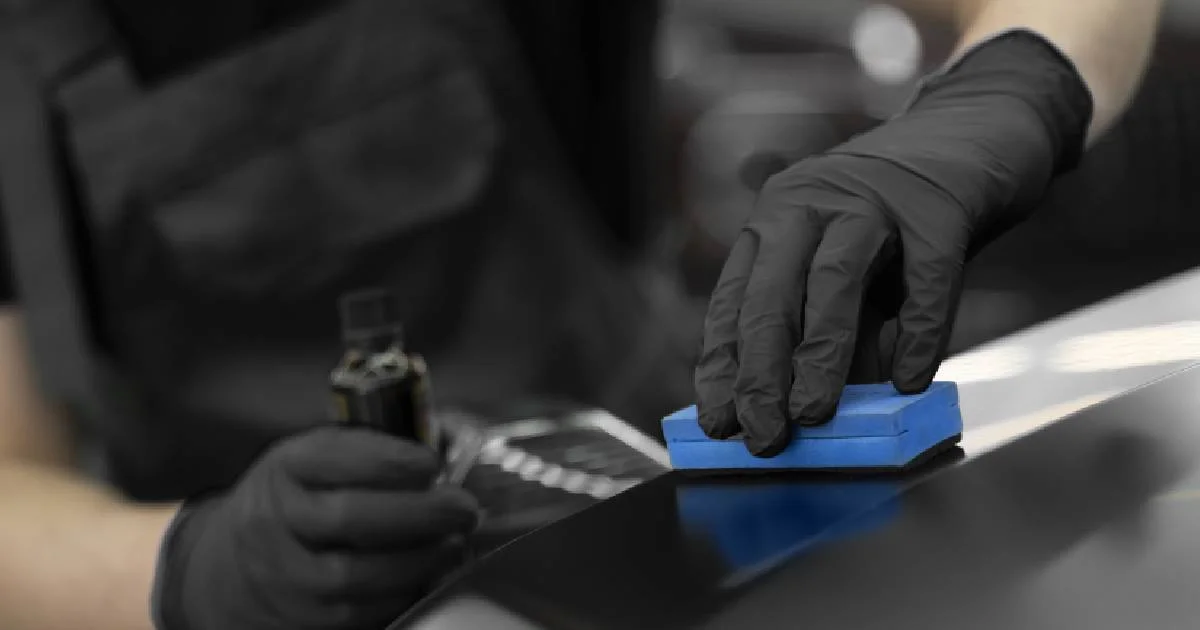

In recent years, automotive enthusiasts and car owners alike have been raving about the benefits of ceramic coatings. This revolutionary protective solution has gained popularity for its ability to enhance a vehicle's appearance and provide long-lasting protection. However, one common question that often arises is, "How much does a ceramic coating cost?" In this blog, we will delve into the factors influencing the cost of ceramic coatings and help you understand what to expect when considering this investment for your vehicle.
Before we dive into the cost, let's briefly understand what ceramic coating is. Ceramic coating is a liquid polymer applied to the exterior surfaces of a vehicle. Once cured, it forms a protective layer that shields the paint from various environmental contaminants such as dirt, bird droppings, UV rays, and more. The result is a glossy finish and enhanced durability that can last for several years.
In conclusion, the cost of ceramic coating varies based on several factors, including the type of coating, brand reputation, application method, vehicle size, and paint condition. While it may seem like a significant investment upfront, many car owners find that the long-term benefits, including enhanced aesthetics and protection, outweigh the initial cost.
Before making a decision, it's crucial to research different ceramic coating options, read reviews, and consider your budget. Whether you choose a professional application or a DIY kit, investing in ceramic coating can ultimately contribute to the longevity and resale value of your vehicle, making it a worthwhile consideration for automotive enthusiasts and those looking to protect their investment.
We wish our cars always looked as good as new after years of use! But, no. It doesn’t work like that. After a few years, fading paint, scratches, scuff marks, and corrosion deteriorate the original color and sheen of the paintwork. Is there a way to protect your car’s appearance? Of course! We live in an era of innovation and advancements where the automotive industry has undergone revolutionary changes, and engineers have discovered an incredible way to safeguard a car’s exterior.
Among diverse paint protection methods, car ceramic coating has acclaimed immense popularity across the globe. You may have even spotted cars with ceramic coatings but never recognized them. A ceramic coating proposes a seamless finish and is an excellent option to protect your car’s paintwork.
For all the newbies unaware of ceramic coatings, this blog is the ideal guide to answering your questions. You will learn everything you need to know about this wonder product.
Car ceramic coating is made of liquid polymer that chemically interacts with the car’s original paintwork to form a protective layer. It provides semi-permanent to permanent protection. Unlike other car protection films, ceramic coating is not applied on the surface level but on a molecular level. Therefore, it furnishes optimal protection and efficiency.
While wax coating offers only temporary shine and waterproof qualities,ceramic coating is much more durable and resistant to dust and water. When applied, car ceramic coating bonds with the car’s paint, filling in pores and scratches. As it cures, you get a hard and sturdy coating that enhances the longevity of your car’s paint.
Generally, the coating consists of silicon dioxide, which is naturally derived from sand and quartz. Often, titanium dioxide is added to boost the coating’s efficiency.
Now, why do car owners prefer ceramic coating over wax or other coatings? Let’s discuss it in the next section.
Car lovers are going gaga over ceramic coating, and we have many reasons for that!
Ceramic coating cost varies depending on the quality, durability, andcoverage. Nonetheless, it is an effective way to enhance your car’s aesthetics and safeguard it from surface damage.
Car wrapping has become a popular choice for those looking to personalize their vehicle without committing to a permanent paint job. Whether you want to protect your car's original paint, advertise a business, or simply give it a new look, a car wrap is a versatile solution. However, understanding the various aspects, including car wrap cost, is crucial before making a decision. This blog will delve into the factors affecting car wrapping, different types of wraps, the associated costs, and the benefits they bring.
Car wrapping involves applying a thin, adhesive vinyl film to the exterior of a vehicle. This film can be of any color or pattern and is customizable to match the car owner's preferences. The wrap is applied by professionals and can cover the entire vehicle or just specific parts, such as the hood, roof, or side mirrors.
Several factors determine the car wrap cost and the overall quality of the wrap:
Understanding the different types of car wraps is important when deciding what suits your needs and budget:
The car wrap cost varies depending on the factors mentioned above. Here’s a general breakdown:
While the initial investment may seem high, the benefits of car wrapping often outweigh the costs, especially when compared to a custom paint job that can cost anywhere from $3000 to $20,000.
Car wrapping is an excellent way to change your vehicle’s appearance without the long-term commitment and expense of a new paint job. Understanding the factors that affect car wrap cost, the types of wraps available, and the benefits they offer can help you make an informed decision. Whether you want to protect your car's original paint, advertise your business, or just express your personality through a custom design, car wraps provide a flexible and creative solution.
If you're considering a wrap for your vehicle, consult with a reputable installer to get an accurate estimate and explore your options. While the initial car wrap cost may seem like a significant investment, the long-term benefits and the potential to transform your vehicle make it a worthwhile choice.
Book Now
Office window tinting is a valuable investment that can enhance the aesthetics, comfort, and energy efficiency of your workspace. Whether you're looking to reduce glare, improve privacy, or enhance the overall appearance of your office, choosing the right window tint is crucial. In this comprehensive guide, we'll explore the key factors to consider when selecting office window tinting to ensure you make an informed decision that aligns with your business needs.
Before diving into the world of window tint options, it's essential to identify the specific purposes for which you want to apply tint to your office windows. Common objectives include: Glare Reduction: Tints can minimize glare from the sun, creating a more comfortable working environment by reducing eye strain and distractions. Privacy Enhancement: Certain tints provide one-way visibility, allowing those inside the office to see out while preventing outsiders from peering in. Energy Efficiency: Window films can help regulate the temperature within your office, reducing the need for excessive air conditioning and heating. UV Protection: Tints can block harmful UV rays, protecting furniture, flooring, and equipment from fading and damage.
Solar Control Films: These tints are designed to reduce heat and glare from the sun, promoting a more comfortable and energy-efficient workspace. Privacy Films: Ideal for meeting rooms or areas requiring confidentiality, privacy films can obstruct the view from the outside while maintaining visibility from within. Decorative Films: If aesthetics are a priority, decorative films come in various patterns and designs to enhance the visual appeal of your office. Safety and Security Films: These films add an extra layer of protection by holding shattered glass together, improving safety in the event of breakage.
Office window tinting offers several benefits, including improved energy efficiency, reduced glare, enhanced privacy, and protection against harmful UV rays. Tinted windows can create a more comfortable and productive work environment for employees.
Several factors should influence your decision, such as the type of film, level of tint, local regulations, and your specific needs. Consider factors like the amount of natural light you want, the level of privacy required, and the aesthetic appeal of the tint.
A: There are various types of window tint films designed for different purposes. Some common types include solar control films, privacy films, decorative films, and safety/security films. Solar control films are popular for reducing heat and glare, while privacy films can enhance confidentiality within the office.
Window tinting can significantly improve energy efficiency by reducing the heat entering the office space. Solar control films, in particular, can block a considerable amount of heat, helping to maintain a comfortable temperature and reducing the need for excessive air conditioning.
Yes, local regulations may govern the permissible level of tint for commercial buildings. It's crucial to check with local authorities to ensure compliance with tinting laws. Non-compliance could result in fines or the need to remove the tint.
Yes, many window tint films are designed to block a significant percentage of harmful UV rays. This not only protects employees from potential health issues but also helps prevent furniture and interior elements from fading due to prolonged exposure to sunlight.
The level of tint you choose depends on your specific needs. If glare reduction and heat rejection are top priorities, a darker tint with a higher Solar Heat Gain Coefficient (SHGC) may be suitable. If maintaining a more open and bright environment is crucial, a lighter tint with lower SHGC may be preferred.
Yes, certain types of window tint films, such as safety/security films, are designed to reinforce glass, making it more resistant to breakage. This can enhance the security of your office space by providing an additional layer of protection against forced entry or accidents.
Cleaning tinted windows requires gentle care to avoid damaging the film. Use a mild soapy solution and a soft cloth or sponge for cleaning. Avoid abrasive materials or harsh chemicals, as these can scratch or damage the tint.
The lifespan of window tinting can vary depending on factors such as the quality of the film, installation, and environmental conditions. High-quality films, when professionally installed, can last for many years. It's essential to follow the manufacturer's recommendations for maintenance and care to extend the lifespan of the tint. Choosing the right window tint for your office involves considering various factors to ensure it meets your specific requirements. Whether it's improving energy efficiency, enhancing privacy, or adding a decorative touch, the right office window tint can contribute to a more comfortable and productive workspace.