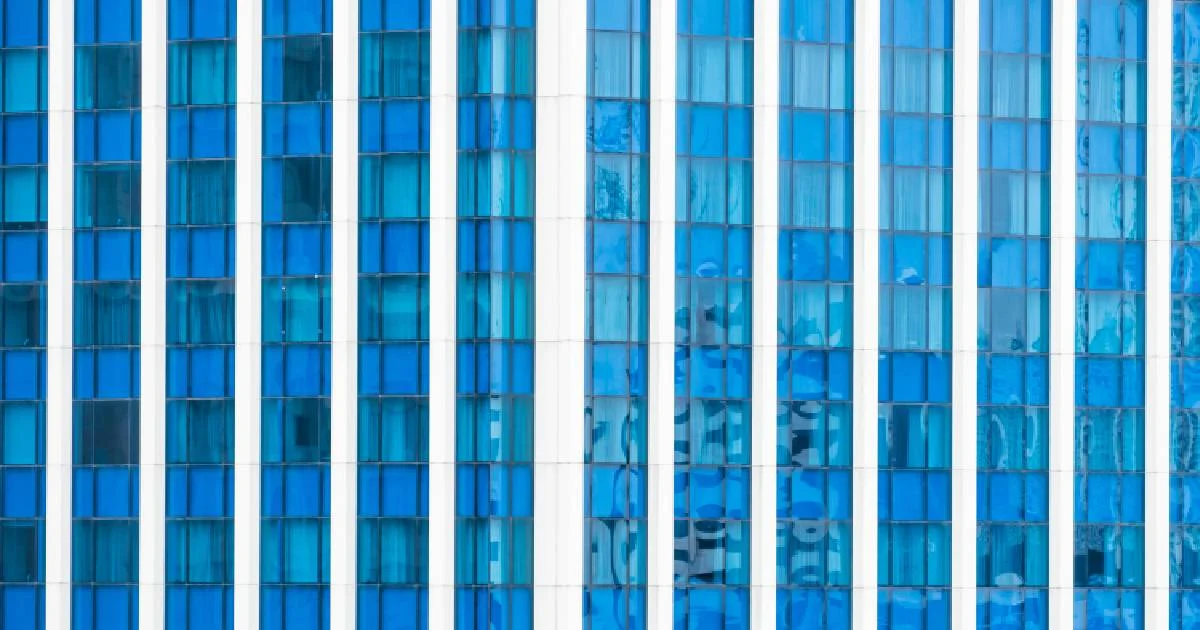
how-to-maintain-and-care-for-tinted-office-windows.webp

How to Maintain and Care for Tinted Office Windows

28 May 2024, By Admin

Office window tinting is a fantastic way to enhance the comfort and aesthetic of your workspace. Not only does it provide privacy and reduce glare, but it also helps in energy conservation by blocking harmful UV rays and controlling heat. However, to keep your tinted windows looking great and functioning effectively, proper maintenance and care are essential. Here’s a comprehensive guide on how to maintain and care for your tinted office windows.

Understanding Office Window Tinting

Before diving into maintenance tips, it’s important to understand what office window tinting involves. Window tints are thin films applied to the interior or exterior of glass surfaces. These films are designed to block UV rays, reduce heat and glare, and offer privacy without compromising natural light. High-quality window tints can last for many years, but their longevity largely depends on how well they are maintained.

Immediate Care Post-Installation

Allow Proper Curing Time

After installation, window tinting requires time to cure. This process can take anywhere from a few days to a few weeks, depending on the type of tint and the weather conditions. During this period:

  • Avoid cleaning the windows.
  • Do not roll down tinted windows (if applicable) to prevent peeling or damage.
  • Expect minor haziness or small water bubbles, which will disappear as the film dries and adheres completely to the glass.

Regular Cleaning Tips

Use Gentle Cleaning Solutions

When it’s time to clean your tinted windows, opt for a mild, non-abrasive cleaning solution. A simple mix of water and a small amount of dish soap works well. Avoid ammonia-based cleaners as they can degrade the tint film over time.

Soft Clothes and Tools

Use a soft microfiber cloth or a rubber squeegee for cleaning. These materials are gentle on the tint film and help avoid scratches. Always dampen the cloth slightly before wiping the windows to prevent dry rubbing.

Gentle Cleaning Technique

  • Spray the Solution: Lightly spray the cleaning solution onto the window surface.
  • Wipe Gently: Using a soft cloth, gently wipe the window in a circular motion to remove dirt and smudges.
  • Dry with Care: Use a dry microfiber cloth to gently pat the window dry, avoiding any streaks.

Preventing Damage

  • Avoid Sharp Objects: Keep sharp objects away from tinted windows to prevent accidental scratches or tears. Office equipment, badges, or pens can cause damage if they come into direct contact with the window film.
  • Temperature Considerations: Extreme temperatures can affect the adhesive properties of window tints. Avoid exposing tinted windows to excessive heat or cold. Ensure that window coverings or shades are used to moderate the temperature around the tinted windows.
  • Regular Inspections: Periodically inspect your tinted windows for signs of wear and tear. Look for peeling, bubbling, or scratches. Early detection of damage can help in taking timely corrective actions, such as reapplying the tint film if necessary.

Professional Maintenance

  • Regular Professional Cleaning: Consider scheduling regular professional cleaning services for your office windows. Professionals have the right tools and expertise to clean tinted windows without causing damage, ensuring they remain in optimal condition.
  • Tint Reapplication: Over time, even the best-maintained tints may need reapplication. Depending on the quality of the tint and environmental factors, window tints can last between 5 to 15 years. Professional reapplication ensures that your office windows continue to provide the benefits of tinting.

Conclusion

Maintaining and caring for tinted office windows is not a daunting task if you follow the right steps. By using gentle cleaning methods, preventing damage, and scheduling professional maintenance, you can ensure that your office window tinting remains effective and aesthetically pleasing for many years. Remember, well-maintained tinted windows not only enhance the look of your office but also contribute to a more comfortable and energy-efficient workspace.

Why Tinting your car's windows can prove to be a boon for your leather upholstery?

What Are The Pros And Cons Of Wrapping A Car?

28 May 2024, By Admin

Considering giving your car a fresh look? Wrapping cars might be the solution you're seeking. With a plethora of colors and designs to choose from, and the option to customize your own, personalizing your car has never been more convenient. However, before you invest your money - and potentially your time, especially if you're inclined to try it yourself - let's delve into the advantages and disadvantages of wrapping cars.

The choice of materials and the application technique you adopt play crucial roles in determining the final outcome of your car wrap. To provide you with a comprehensive understanding, we, along with insights from our Chips Away technicians, aim to outline all the positive and negative aspects associated with wrapping cars.

Pro’s Of Car Wraps

Now a well-wrapped car can fool most onlookers

  • It's individualized for you As car wraps reach new levels of quality, featuring flawless finishes and customizable designs that match your personality, an increasing number of drivers are choosing this option. Whether opting for a complete vehicle wrap or focusing on specific elements like the wheels, this personalized approach provides the flexibility to own a truly unique car. It's important to note that not all wraps involve bold and vibrant colors; vinyl wraps come in a wide range, enabling you to switch colors regularly without the long-lasting commitment of a traditional respray.
  • Protect your Paint An excellent motive for opting for a car wrap is to safeguard your vehicle's paintwork. The vinyl wrap serves as a protective shield, shielding against minor chips and dings caused by stones and other road hazards. If you intend to maintain the vehicle in its pristine condition for a potential resale, safeguarding the paint ensures the retention of its resale value and eliminates the need for minor scratch repairs. For a more understated appearance, Oliver Edwards, our ChipsAway specialist in Totton and Hythe, recommends a 'clear protection system.' When applied to the front of your cherished vehicle, this system prevents stone chips while allowing the original color to shine through
  • Cost-effective Colour Instead of investing in an entire repaint, opting for a car wrap provides an affordable way to experiment with different colors. The cost of a vinyl wrap may fluctuate, particularly when seeking professional services at a body shop, but it remains a more economical alternative. This option not only offers flexibility in terms of style and design but also allows you to control the duration for which you keep the wrap.
  • It can be removed Should you opt for a change in your vehicle's appearance within the next six months to a year, you have the flexibility to easily remove your existing car wrap. It's important to note that when we say "simply," we mean it in a figurative sense, as the process of removing a car wrap is deliberate and gradual to safeguard the integrity of your vehicle. Consider employing techniques such as using a heat gun, adopting a slow peel method, and steering clear of abrasive solutions when undertaking the removal of a vinyl wrap.

Con’s of Car Wraps

You receive the quality commensurate with your investment.

Not all wraps are made equal," emphasizes Steve Perkins, a ChipsAway specialist covering the Hartlepool area. If you're contemplating wrapping your car on a budget, it's crucial to recognize that the quality of the wrap correlates directly with the cost. Opting for a do-it-yourself approach with a cheap wrap might seem like a cost-saving strategy, but it often results in a less satisfactory finish compared to trade wraps or those known for their superior quality.

Steve, who describes himself as a novice in the wrapping realm, points out that "[a] trade quality product is often quite amenable to self-healing." This implies that with gentle heat, minor scratches, and even holes can "melt" away, allowing the wrap to "self-heal." This advantageous feature is not always present in lower-quality products, underscoring the importance of considering the potential drawbacks when contemplating a home kit instead of seeking professional expertise.

  • Dynamic Color Transformations Although the initial aesthetic appeal of covering your red car with black vinyl is undeniable, it's essential to consider a potential drawback. Over time, any scuffs or scratches on the wrap may lead to a noticeable color change. As the damage accumulates, the original color may seep through, diminishing the overall finish and making it more apparent. Additionally, the protective function of the vinyl wrap will diminish, leaving the underlying paint vulnerable to further harm.
  • Take into account the legal aspects. If you intend to apply a complete body wrap that significantly alters your car's color, such as changing it from black to red, it is essential to notify both your insurance company and the DVLA. This procedure can be time-consuming, especially if you plan to wrap your car temporarily before reverting to its original state. Before committing to an exterior full-body wrap and investing money, it's advisable to research online.

See More

Why Tinting your car's windows can prove to be a boon for your leather upholstery?

Dr. Tint & Wrap Sets Sail: Protecting Marine Vessel Windows with Marine Tinting Services

28 May 2024, By Admin

Kia ora, mates! If you're a proud boat owner in the stunning waters of Aotearoa, you know how important it is to keep your marine vessel in top-notch condition. New Zealand is known for its breathtaking coastline and pristine waters, making marine activities a way of life for many Kiwis. But, have you ever thought about the protection of your vessel's windows? Well, worry not, because Dr. Tint & Wrap has come to the rescue with their specialized marine tinting services!

Introducing Dr. Tint & Wrap

Dr. Tint & Wrap is a well-known name in the automotive and residential window tinting industry. They have earned a reputation for providing high-quality tinting solutions that not only enhance aesthetics but also offer numerous functional benefits. And now, they've expanded their expertise to the maritime world with their marine window tinting services.

Why Marine Tinting Matters

Before diving into the details of Dr. Tint & Wrap's marine tinting services, let's understand why tinting is crucial for your boat's windows. Marine vessels, whether you own a yacht, a fishing boat, or a jet ski, are constantly exposed to the harsh elements of the ocean. The intense UV rays, saltwater, and wind can take a toll on your boat's windows, leading to several issues:

1. Sun Damage: Prolonged exposure to UV rays can lead to fading and deterioration of interior materials, including upholstery, dashboard, and electronics.

2. Glare: Glare from the sun reflecting off the water can hinder your visibility, making navigation and fishing challenging.

3. Privacy and Security: Tinted windows not only offer privacy while on your vessel but also act as a deterrent to potential thieves.

4. Temperature Control: Tinted windows help regulate the temperature inside your boat, keeping it cooler in the scorching New Zealand sun.

5. Safety: In the unfortunate event of an accident or collision, tinted windows can help prevent shattered glass from causing injuries. Dr. Tint & Wrap's Marine Tinting Services

Dr. Tint & Wrap understands the unique challenges faced by marine vessels in New Zealand's waters. Their marine tinting services are tailored to address these challenges effectively. Here's what you can expect:

1. High-Quality Films: Dr. Tint & Wrap uses top-grade window films designed specifically for marine applications. These films offer superior UV protection, heat reduction, and glare control.

2. Professional Installation: Their team of experienced technicians ensures that the tinting is done with precision and attention to detail, guaranteeing a seamless finish.

3. Custom Solutions: Every boat is unique, and Dr. Tint & Wrap provides custom tinting solutions to meet your vessel's specific needs.

4. Long-Lasting Results: With their marine window tinting, you can expect the tint to last for years, resisting the harsh conditions of the ocean.

5. Compliance with Regulations: Dr. Tint & Wrap ensures that the tinting complies with New Zealand's maritime regulations, so you can enjoy peace of mind knowing your vessel is legal and safe.

Marine tinting is not just about aesthetics; it's about protecting your investment and enhancing your boating experience. Dr. Tint & Wrap's marine window tinting services bring their expertise to the maritime world, helping boat owners across New Zealand safeguard their vessels from the elements while enjoying the beauty of our pristine waters.

Don't wait until the sun takes its toll on your boat's windows. Contact Dr. Tint & Wrap today to explore how their marine tinting services can elevate your boating experience and keep your vessel looking and performing its best. Protect your boat, protect your investment, and sail the stunning waters of Aotearoa in style with Dr. Tint & Wrap!

See More

Why Tinting your car's windows can prove to be a boon for your leather upholstery?

What is the cost of wrapping a car?

28 May 2024, By Admin

What is the Cost of Wrapping a Car?

Car wrapping has become an increasingly popular way for vehicle owners to change the appearance of their cars without the permanence of a paint job. But what exactly goes into the cost of car wrapping? In this blog, we'll dive into the factors that influence the price of car wrapping, helping you understand what to expect if you decide to give your car a fresh new look.

Understanding Car Wrapping

Car wrapping involves applying a vinyl film over the surface of your vehicle. This process allows for a variety of finishes, including matte, gloss, satin, and even custom designs. Unlike traditional paint, a car wrap can be removed without damaging the original paint, making it a versatile and reversible modification.

Factors Affecting the Cost of Car Wrapping

The cost of car wrapping can vary significantly based on several factors. Here are the key elements that influence the overall price:

  1. Vehicle Size and Type
    The size and type of your vehicle are primary determinants of the wrapping cost. Wrapping a small sedan is generally less expensive than wrapping a larger SUV or a luxury sports car. This is because larger vehicles require more vinyl material and more labor hours to cover all the surfaces properly.
  2. Vinyl Quality and Finish
    The quality of the vinyl and the type of finish you choose play a significant role in the cost. High-quality vinyl from reputable brands such as 3M or Avery Dennison can cost more but offers better durability and appearance. The finish also impacts the price; specialty finishes like matte, chrome, or carbon fiber tend to be more expensive than standard gloss or satin finishes.
  3. Design Complexity
    If you opt for a custom design or a wrap with intricate patterns and graphics, the cost will increase. Custom designs require additional time for design, printing, and installation. Simple, single-color wraps are typically more affordable.
  4. Installation Labor
    Labor costs vary based on the installer’s expertise and location. Professional installers with a proven track record may charge more for their services, but they also ensure a higher-quality finish. In metropolitan areas or places with a high cost of living, labor rates may be higher compared to rural areas.
  5. Surface Preparation
    Before applying the vinyl wrap, the car's surface must be thoroughly cleaned and prepped. If your vehicle has scratches, dents, or other imperfections, these need to be addressed, which can add to the overall cost. Some shops include minor prep work in their pricing, while others may charge extra.
  6. Additional Features
    Additional features such as wrapping door jambs, interior trims, or wheels can also increase the cost. These are often considered add-ons and are priced separately.

Average Cost Breakdown

To give you a general idea, here’s a rough estimate of car wrapping costs based on vehicle size and type:

  • Compact Car (e.g., Honda Civic, Ford Focus): $1,500 - $3,000
  • Mid-Size Sedan (e.g., Toyota Camry, BMW 3 Series): $2,000 - $4,000
  • SUV/Truck (e.g., Ford Explorer, Chevrolet Tahoe): $3,000 - $5,000
  • Luxury/Sports Car (e.g., Porsche 911, Tesla Model S): $4,000 - $10,000

These prices can vary depending on the factors mentioned earlier.

Is Car Wrapping Worth the Cost?

Car wrapping offers several advantages that can justify the cost:

  • Customization: You can achieve a unique look that stands out.
  • Protection: Vinyl wraps protect the original paint from minor scratches and UV damage.
  • Reversibility: If you want to revert to your car's original color or change the design, you can simply remove the wrap.
  • Resale Value: Preserving the original paint can help maintain the vehicle’s resale value.

Conclusion

Car wrapping can be a worthwhile investment for those looking to personalize their vehicle or protect its paint. The cost of car wrapping varies based on factors such as vehicle size, vinyl quality, design complexity, labor, surface preparation, and additional features. By understanding these factors, you can make an informed decision and choose a car wrapping service that fits your budget and needs. Whether you’re looking for a bold new look or subtle sophistication, car wrapping offers endless possibilities to transform your vehicle’s appearance.

See More

Feedback
   Feedback    Call Now