-
 By admin
- 13/09/2024
One-Way Mirror Film Window Tinting: Window Film to See Out But Not In
If you're seeking privacy while still enjoying an unobstructed view, one-way mirror film window tinting is a fantastic solution. This unique window treatment, often called one-way mirror glass film or simply one-way mirror film, allows you to see out clearly during the day while preventing others from seeing inside. In this blog, we’ll explore how this film works, its benefits, and considerations for using it.
How Does One-Way Mirror Film Work?
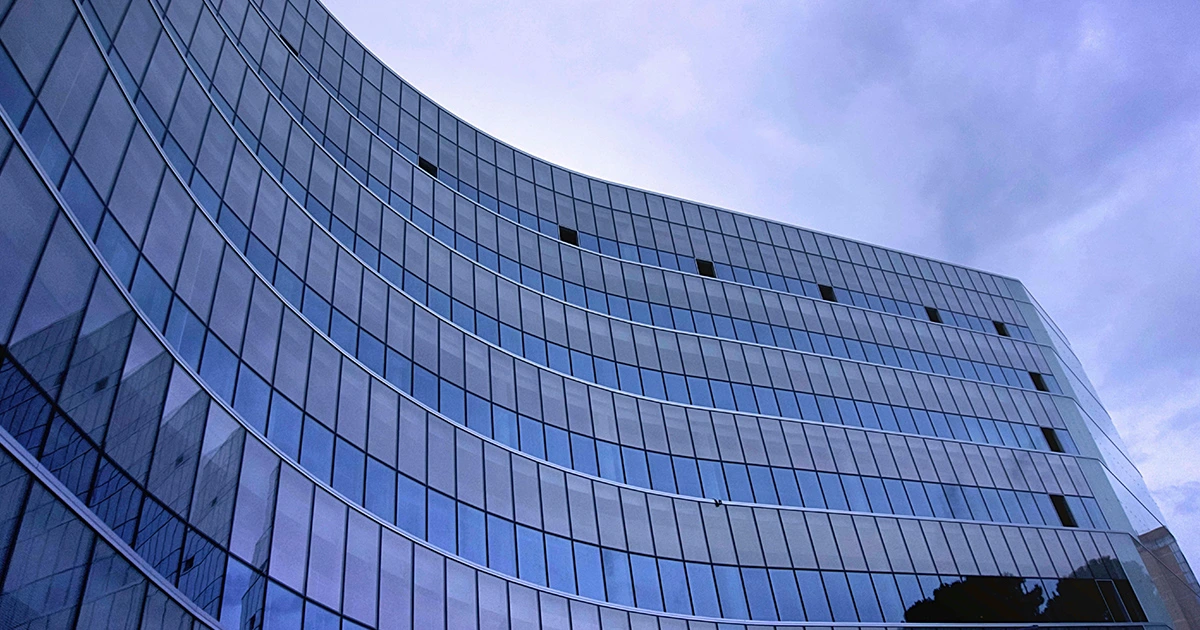
One-way mirror glass film works on the principle of light reflection. During the day, the side with more light (typically the outside) reflects light back, creating a mirrored effect. This prevents people from seeing inside while still allowing those inside to see out. The film does not block visibility entirely but gives the appearance of a mirror from the outside.
At night, however, this effect diminishes. If the lights inside are brighter than outside, the film will not prevent people from looking in. Therefore, additional privacy measures, like blinds or curtains, are often used in the evening.
Benefits of One-Way Mirror Film
-
Enhanced Privacy:
The primary advantage of a one-way mirror film is privacy. Whether you’re at home, in an office, or operating a business, this film keeps your interior spaces hidden from the outside world while still offering a clear view of the outdoors. It’s ideal for those who live or work in busy, high-traffic areas. -
Improved Energy Efficiency:
One-way mirror film can also help improve energy efficiency. By reflecting sunlight, it reduces heat buildup in your space, meaning less reliance on air conditioning during the summer months. This can lead to noticeable savings on your energy bill. -
UV Protection:
Along with reflecting light, many one-way mirror films offer UV protection. This reduces the amount of harmful ultraviolet rays entering your home or office, protecting furniture, flooring, and even your skin from sun damage. -
Aesthetic Appeal:
The mirrored appearance of the film provides a modern, sleek look to your windows. It's often used in commercial buildings for this reason, as it adds a professional and polished appearance to the exterior.
Applications of One-Way Mirror Film
One-way mirror glass film can be used in various settings:
- Homes: It’s perfect for residential spaces where you want to maintain privacy without sacrificing views, such as living rooms, kitchens, or home offices.
- Offices: Businesses often use one-way mirror film for conference rooms or executive offices to protect confidentiality while maintaining a visually open environment.
- Retail Stores: For storefronts, this film prevents people from seeing inside during the day but allows staff to observe the outside area freely.
- Public Buildings: Schools, hospitals, and other institutions often use one-way film to enhance security and maintain privacy without creating a closed-off feeling.
Considerations Before Installing One-Way Mirror Film
While one-way mirror film offers many benefits, there are some things to keep in mind:
- Daytime vs. Nighttime Privacy: Remember that the one-way effect only works when the light is brighter outside than inside. If you need 24-hour privacy, you may need to combine the film with other solutions, such as blinds or shades.
- Exterior Reflection: The mirrored exterior can reflect sunlight quite strongly. In some environments, this might cause glare, so it’s important to choose a film that balances reflection with practicality.
- Installation: Professional installation is recommended for one-way mirror film to ensure a smooth, bubble-free finish. Proper installation maximizes both the aesthetic appeal and functional benefits of the film.
One-way mirror film window tinting is a versatile and stylish solution for privacy, energy efficiency, and UV protection. Whether you’re looking to enhance the security of your home, office, or commercial space, this type of window tint allows you to enjoy the best of both worlds—clear views and privacy from those outside.
By choosing high-quality one-way mirror glass film, you can transform your windows into a powerful tool for managing light, temperature, and privacy, all while maintaining a sleek, modern appearance.
One-Way Mirror Film
While one-way mirror privacy window film isn't permitted in New Zealand, our Octane range of darkest legal tints offers a perfect solution. You can achieve that mirror-like appearance without risking fines or driving a non-compliant vehicle. With rich, deep blacks, our darkest legal tint delivers a striking look and enhanced privacy.
Ultimate Privacy, Day and Night—One-Way Mirror Window Film
Our Octane window tint is a top choice for many, offering a range of benefits:
- Exceptional Heat and Glare Reduction: Enjoy a cooler and more comfortable ride with superior heat and glare control, even on long journeys.
- Outstanding UV Protection: With up to 99% UV rejection, you and your family are shielded from harmful UV rays.
- Two Color Options: Choose from two dark shades to achieve the perfect one-way mirror effect you desire.
- Lifetime Nationwide Warranty: Benefit from peace of mind with our lifetime warranty, ensuring coverage across the country.
One-Way Window Film: See Out But Not In
One-way window film offers the perfect blend of daytime privacy while maintaining natural light in your home. Here’s why our "see out but not in" privacy window film is a great choice and the benefits it brings:
Tint a Home is New Zealand’s most trusted window tinting network, with over 50 years of experience. We provide a lifetime nationwide warranty for residential applications and offer interest-free payment plans (over 3, 6, 9, or 12 months) through Openpay.
Benefits of One-Way Window Film:
- Enhanced Privacy: Enjoy privacy without sacrificing natural light, allowing you to maintain your view while obscuring the view into your home.
- Temperature Control: Many privacy films help keep your home cooler in summer and warmer in winter, improving comfort and potentially lowering your energy bills.
- UV Protection: Protect your family and your home’s furnishings from harmful UV rays, reducing fading and sun damage.
Whether you need privacy in a street-facing lounge, a window overlooking your neighbors, or even your bathroom, our "see out but not in" window film is an excellent solution.
Book Now