802023f6443b23a2b6e9b6c73f11e01a.webp

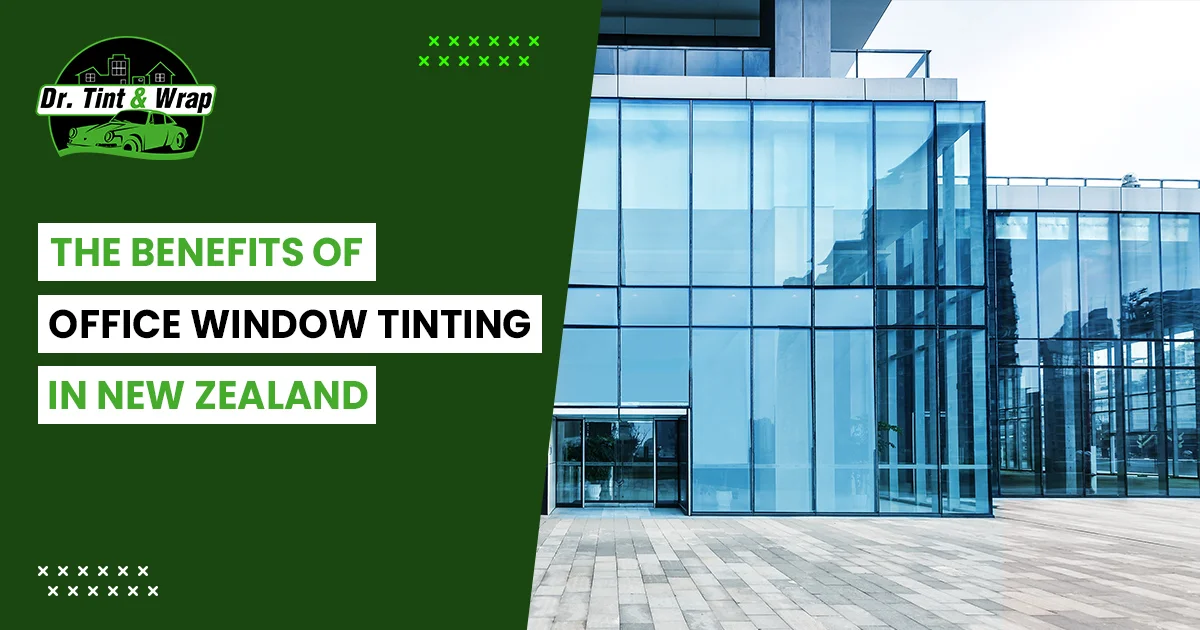
The Benefits of Office Window Tinting in New Zealand

15 Sep 2023, By Admin

When it comes to enhancing the comfort and functionality of your home, window tinting is a solution that often goes unnoticed. In New Zealand, where climate variations are common, the benefits of home window tinting extend far beyond aesthetic appeal. In this article, we'll explore how home window tinting can significantly reduce your energy bills and lead to long-term cost savings, making it a smart investment for homeowners across the country.

Understanding the Energy Efficiency of Window Tinting

New Zealand experiences a range of weather conditions throughout the year, from scorching summers to chilly winters. During these extremes, the energy used to regulate indoor temperatures can skyrocket. This is where window tinting comes into play.

1. Heat Reduction: One of the primary benefits of window tinting is its ability to reduce heat gain. Tinted windows block a significant portion of the sun's heat and harmful UV rays from entering your home. As a result, your indoor spaces remain cooler during hot summer months, reducing the need for air conditioning.

2. Insulation: Window tinting also provides insulation benefits, helping to maintain a consistent indoor temperature. In winter, it helps to keep warmth inside, reducing the need for excessive heating.

Cost Savings Through Window Tinting

Now, let's delve into how these energy-efficient qualities translate into tangible cost savings for homeowners in New Zealand.

1. Lower Energy Bills: By reducing heat gain during the summer and heat loss during the winter, window tinting significantly reduces your reliance on heating and cooling systems. As a result, you'll see a noticeable drop in your energy bills year-round.

2. Extended Appliance Lifespan: Reduced reliance on air conditioners and heaters not only saves you money on electricity but also extends the lifespan of these appliances. They don't have to work as hard, which means fewer repairs and replacements.

3. Furniture and Flooring Preservation: Window tinting also blocks harmful UV rays that can cause fading and damage to your furniture, flooring, and décor. This means you won't have to spend as much on replacing or refurbishing these items.

4. Enhanced Home Value: A home with energy-efficient features like window tinting can command a higher resale value in the New

Zealand real estate market. Potential buyers are often willing to pay more for a home with reduced energy costs.

In New Zealand, where energy efficiency and sustainability are becoming increasingly important, home window tinting stands out as a practical investment for homeowners. By reducing energy bills, extending the lifespan of appliances, preserving your interior, and enhancing your home's value, window tinting offers numerous long-term cost-saving benefits.

So, if you're looking to make your New Zealand home more energy-efficient and cost-effective, consider investing in professional window tinting services. Not only will you enjoy a more comfortable living space, but you'll also contribute to a greener and more sustainable future while saving money in the process.

Why Tinting your car's windows can prove to be a boon for your leather upholstery?

What Is Car Wrapping and Why Should You Consider It?

15 Sep 2023, By Admin

In a world where personalization and individuality reign supreme, car enthusiasts and owners are constantly looking for unique ways to make their vehicles stand out. While custom paint jobs have long been a popular choice for personalizing a car's appearance, car wrapping has emerged as a revolutionary and cost-effective alternative. In this blog, we'll explore the concept of car wrapping and why you should consider it as a viable option for transforming your vehicle's look.

Why Should You Consider Car Wrapping?

  • Aesthetic Freedom: Car wrapping offers an incredible degree of personalization. You can choose from a wide range of colors, patterns, and finishes to create a look that's uniquely yours. Whether you want a sleek matte black finish or a vibrant, attention-grabbing design, the possibilities are endless.
  • Cost-Effective: Compared to a custom paint job, car wrapping is a more budget-friendly option. It allows you to change your vehicle's appearance without the high cost of a complete repaint.
  • Protective Properties: The vinyl film provides a layer of protection for your car's original paint, shielding it from minor scratches, stone chips, and the effects of UV rays. When it's time to remove the wrap, your car's paint will look as good as new.
  • Temporary or Reversible: Car wraps are not permanent modifications. If you decide you want a different look or if you're selling your vehicle, the wrap can be easily removed without damaging the original paint.
  • Promotional and Branding Opportunities: Car wrapping is not limited to personal vehicles. Businesses often use vehicle wraps as an effective form of mobile advertising, turning their company cars into moving billboards.
  • Resale Value: A well-maintained wrapped car can potentially fetch a higher resale value as the original paint underneath is protected from wear and tear.
  • Quick Turnaround: Car wrapping typically takes less time than a traditional paint job, allowing you to get back on the road with your transformed vehicle sooner.

Choosing the Right Professional

For the best results, it's crucial to choose an experienced and reputable car wrapping professional. Look for someone who uses high-quality vinyl materials and has a portfolio of previous work. The skill and precision of the installer can make a significant difference in the final look and longevity of the wrap.

Car wrapping is a versatile and cost-effective way to personalize and protect your vehicle. Whether you're looking to change your car's color, create a unique design, or use your vehicle for advertising purposes, car wrapping offers numerous benefits. Plus, with easy removal and preservation of your car's resale value, it's a win-win choice for those who want to make a statement on the road. So, if you're considering a fresh look for your car, don't overlook the exciting world of car wrapping. It might just be the perfect solution for you.

See More

Why Tinting your car's windows can prove to be a boon for your leather upholstery?

Is Ceramic Coating Good For Your Car ?

15 Sep 2023, By Admin

In the world of automotive care and detailing, ceramic coatings have gained immense popularity for their promise of providing long-lasting protection and a stunning, glossy finish for your vehicle. But is ceramic coating really worth the hype, and is it good for your car? Let's delve into the pros and cons of ceramic coatings to help you make an informed decision.

Pros

  • Long-lasting Protection: Ceramic coatings create a durable and protective layer on your car's paintwork. This layer is resistant to various environmental contaminants such as bird droppings, tree sap, bug splatter, and harsh weather conditions. It helps prevent oxidation and fading, keeping your car looking newer for a more extended period.
  • Enhanced Gloss and Shine: One of the most noticeable benefits of ceramic coating is the enhancement of your car's appearance. The coating provides a deep, glossy finish that can make your vehicle stand out and look freshly waxed at all times.
  • Easy Maintenance: Ceramic coatings make cleaning and maintaining your car a breeze. The hydrophobic properties of the coating repel water and contaminants, reducing the chances of dirt and grime sticking to the surface. This not only makes washing your car easier but also less frequent.
  • UV Protection: Ceramic coatings offer UV resistance, protecting your car's paint from the harmful effects of the sun. UV rays can cause paint to fade and deteriorate over time, and a ceramic coating acts as a barrier, preventing these damaging effects.
  • Chemical Resistance: The coating provides a shield against various chemicals found in bird droppings, tree sap, and bug splatter. This chemical resistance ensures that these contaminants do not etch into the paintwork, minimizing the risk of permanent damage.

Cons

  • Application Requires Skill: Applying ceramic coating is a meticulous process that requires skill and attention to detail. While some DIY kits are available, achieving professional-level results often requires experience and expertise. Improper application may lead to uneven coverage and reduced effectiveness.
  • High Initial Cost: Quality ceramic coatings can be relatively expensive, especially when compared to traditional waxes and sealants. However, many enthusiasts argue that the long-term benefits and reduced maintenance costs justify the initial investment.
  • Not Scratch-Proof: While ceramic coatings provide a protective barrier against many contaminants, they are not scratch-proof. They can resist minor scratches and swirls to some extent, but a high level of care is still necessary to avoid more significant damage.
  • Limited Correction Abilities: Once applied, ceramic coatings are challenging to remove without professional intervention. Additionally, they have limited corrective abilities for existing paint imperfections such as scratches or swirl marks. Proper paint correction should be done before applying the coating for optimal results.

Is ceramic coating really effective in protecting your car's paint?

Yes, ceramic coating is highly effective in protecting your car's paint. It forms a strong, transparent layer on the surface of your vehicle that acts as a sacrificial barrier against various environmental contaminants. This includes dirt, bird droppings, tree sap, UV rays, and harsh weather conditions. The coating provides a durable shield that helps prevent oxidation and fading, keeping your car's paint looking glossy and vibrant for an extended period.

Does ceramic coating make my car completely scratch-proof?

While ceramic coatings do offer a higher level of scratch resistance compared to unprotected paint, they are not completely scratch-proof. The coating can withstand light scratches and swirl marks, providing an additional layer of protection. However, it is important to note that heavy or deep scratches can still occur, and it's advisable to avoid abrasive materials during cleaning to minimize the risk of scratches.

How long does ceramic coating last on a car?

The longevity of ceramic coating depends on various factors, including the quality of the product, application technique, and the maintenance of the vehicle. Generally, a professionally applied ceramic coating can last anywhere from one to five years. Regular maintenance, such as washing the car with pH-neutral soaps and avoiding abrasive cleaning methods, can help extend the lifespan of the coating.

Is ceramic coating worth the cost?

The cost of the ceramic coating varies depending on factors such as the product used, the size of the vehicle, and whether it's applied by a professional. While it is a significant upfront investment, many car owners find it worthwhile for the long-term benefits. The enhanced protection, ease of maintenance, and prolonged aesthetic appeal of the car can make ceramic coating a valuable investment for those who prioritize the appearance and longevity of their vehicle's paint.

See More

Why Tinting your car's windows can prove to be a boon for your leather upholstery?

Can I Tint My Car's Windscreen in New Zealand?

15 Sep 2023, By Admin

Car windscreen tinting in New Zealand is subject to specific regulations to ensure safety and compliance with the law. According to New Zealand's Land Transport Rule, tinting on the front windscreen is generally restricted. A clear strip at the top of the windscreen, often referred to as a Sun strip, is permissible but must not exceed 100mm in width. This strip helps reduce glare from the sun while driving. For the rest of the windscreen, a minimum of 70% Visible Light Transmission (VLT) is required, meaning the tint must allow at least 70% of light to pass through. These regulations are in place to ensure drivers maintain clear visibility for safe driving conditions. Before proceeding with car windscreen tinting, it is crucial to consult with professional tinting services to ensure your vehicle adheres to these legal requirements.

Understanding Car Windscreen Tint Regulations

In New Zealand, the Land Transport Rule: Vehicle Equipment and Inspection (2004) sets out clear guidelines regarding the tinting of car windows, including the windscreen. According to these regulations, there are strict rules about how much tinting is allowed on the windscreen to ensure driver visibility and road safety.

Key Regulations for Windscreen Tinting:

  1. Visibility Requirements: The most crucial regulation is that the windscreen must allow a certain level of light transmission. The rule generally states that the windscreen must allow at least 70% of light to pass through. This ensures that drivers have an unobstructed view of the road and surroundings.
  2. Tinted Bands: While full tinting of the windscreen is not permitted, you can apply a tinted band to the top of the windscreen. This band, also known as a Sun strip, helps to reduce glare from the sun without compromising visibility. The band must be positioned above the line of sight and should not exceed a certain percentage of the windscreen’s total area.
  3. Quality of Tint Film: Any tint film used on the windscreen must comply with New Zealand standards and should not interfere with the vehicle's safety features, such as airbags or sensors. It's important to choose a high-quality tint film that meets these standards to avoid any legal issues.

Why Consider Tinting Your Windscreen?

While the full tinting of the windscreen is restricted, a tinted sunstrip can offer several benefits:

  • Reduced Glare: A tinted sun strip can significantly reduce glare from the sun, improving driving comfort and safety during sunny conditions.
  • Heat Reduction: Tinted bands can help reduce the amount of heat that enters your vehicle, making it more comfortable during hot days.
  • UV Protection: Tinted films can block harmful UV rays, protecting the interior of your car from fading and damage.

Choosing a Professional Tinting Service

If you’re considering adding a tinted band to your windscreen, it’s best to consult with a professional tinting service. They will ensure that the tint complies with New Zealand regulations and is applied correctly. Professional tinting services can also offer advice on the best type of tint film to use and can help you choose a solution that meets your needs while adhering to legal requirements.

Conclusion

In summary, while full tinting of your car's windscreen is not allowed in New Zealand, you can apply a tinted band to the top of the windscreen to reduce glare and enhance comfort. It’s essential to adhere to the regulations regarding light transmission and the quality of tint film to ensure safety and compliance. If you’re considering this enhancement, consult with a professional to get the best results and avoid any legal issues. By understanding and following these guidelines, you can enjoy the benefits of car windscreen tinting while staying within the legal limits.

See More

Feedback
   Feedback    Call Now