-
 By admin
- 25/04/2023
The Ultimate Guide to Car Wrapping: Importance & Tips
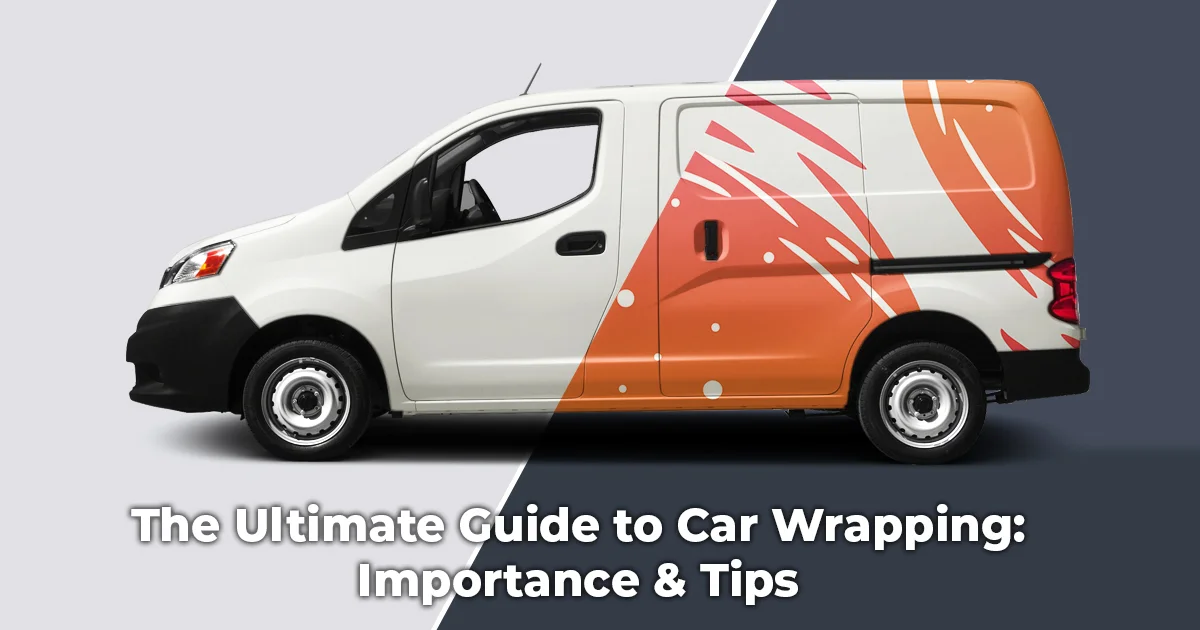
If you're a car enthusiast looking to give your ride a unique and personalized touch, car wrapping can be an excellent option. Car wrapping is the process of applying a vinyl film onto the surface of a vehicle, completely transforming its appearance. It allows you to change the color, add the finishing, and even add custom graphics or designs to your car, creating a true masterpiece that reflects your style and personality. In this blog post, we will explore the world of car wrapping and how it can elevate your car enthusiast game to the next level.
Importance of Car Wrapping?
Car wrapping has become increasingly popular among car enthusiasts for several compelling reasons,
Customization - Car wrapping allows you to completely transform the appearance of your vehicle. With a wide range of colors, textures, and finishes available, you can create a unique and personalized look that reflects your style and personality. It gives you the opportunity to customize your vehicle without the permanence of a traditional paint job, making it a flexible option for those who like to change up their vehicle's appearance.
Protection - Car wraps provide a layer of protection to your car's original paint. The vinyl material used in car wraps acts as a barrier against minor scratches, chips, and fading from UV rays, helping to preserve the condition of your car's paint and keeping it looking newer for longer. This can be particularly beneficial if you want to maintain your car's resale value or lease a vehicle and want to protect it during the lease period.
Versatility - Car wraps can be used for a variety of purposes beyond just changing the color of your car. They can be used for advertising, business branding, or promoting a cause or event. Car wraps provide a cost-effective and attention-grabbing way to market your business or create awareness for a cause, as they turn your vehicle into a moving billboard that can reach a wide audience.
Reversibility - Unlike traditional paint jobs, car wraps are not permanent and can be easily removed without damaging your car's original paint. This means you can change or remove the wrap whenever you want, allowing for flexibility and versatility in your vehicle's appearance. It also means that if you're planning to sell your car or return a leased vehicle, you can remove the wrap and restore it to its original condition.
Cost-effective - Car wrapping can be a more cost-effective option compared to a traditional paint job, especially for complex designs or multiple color changes. The cost of a car wrap depends on factors such as the size of the vehicle, the type of wrap material used, and the complexity of the design. However, compared to the cost of a full repaint, car wrapping can be more budget-friendly while still providing a high-quality, customizable finish.
Non-permanent - Car wraps are a non-permanent option, which means you can experiment with different looks and styles without committing to a permanent change to your car's appearance. This gives you the freedom to try out different colors, finishes, and designs, and easily revert to the original look if you wish.
Tips for Car Wrapping Enthusiasts
If you're considering car wrapping for your vehicle, here are some tips to keep in mind:
Choose a Professional Installer - Car wrapping is a complex process that requires skill and experience. It's important to choose a professional installer who has a proven track record of quality work. Look for reviews, ask for recommendations, and check their portfolio before making a decision.
Decide on the Type of Wrap - There are different types of car wraps available, including vinyl wraps, color change wraps, and clear wraps. Consider your budget, desired look, and durability requirements when choosing the type of wrap that's best for your car.
Prepare Your Car - Before applying the wrap, make sure your car's surface is clean and free of any dirt, debris, or wax. A clean surface will ensure proper adhesion of the wrap and result in a smooth finish. Also, remove any accessories or trim that may interfere with the wrapping process.
Choose High-Quality Materials - Opt for high-quality vinyl materials for your car wrap. High- quality materials are more durable, resistant to UV rays, and can withstand the elements better, ensuring your wrap will last longer and look better.
Consider Maintenance - Car wraps require regular maintenance to keep them looking their best. Follow the manufacturer's instructions for care and maintenance, which may include avoiding harsh chemicals, hand washing, and avoiding high-pressure car washes.
Be Mindful of Environmental Factors - Extreme temperatures, prolonged exposure to sunlight, and harsh weather conditions can affect the lifespan of your car wrap. Parking your car in shaded areas, using a car cover, and avoiding harsh environmental conditions can help prolong the lifespan of your car wrap.
Avoid DIY Wrapping - Car wrapping is a skilled trade that requires proper training and experience. Attempting to wrap your car yourself without the proper knowledge and tools can result in a subpar finish and damage to your car's paint. It's best to leave car wrapping to the professionals.
Plan for Removal - Car wraps are not permanent and will eventually need to be removed. Plan for the removal process and be prepared for the possibility of minor paint touch-ups after removal. It's important to follow the manufacturer's instructions for proper removal to avoid damaging your car's paint.
Get a Warranty - Look for a professional installer who offers a warranty on their workmanship and the materials used. A warranty can provide you with peace of mind and protection against any potential issues with your car wrap.
Dr. Tint & Wrap is a professional and one of the leading car wrapping service providers in New Zealand. At Dr. Tint & Wrap, we take total care of all the mentioned tips and strictly follow local laws and regulations regarding car wraps, including restrictions on colors, designs, and placement of wraps. Some areas may have specific rules and regulations that need to be followed to avoid any legal issues.
Book Now