e073a093148f473027636e4c111a918e.webp

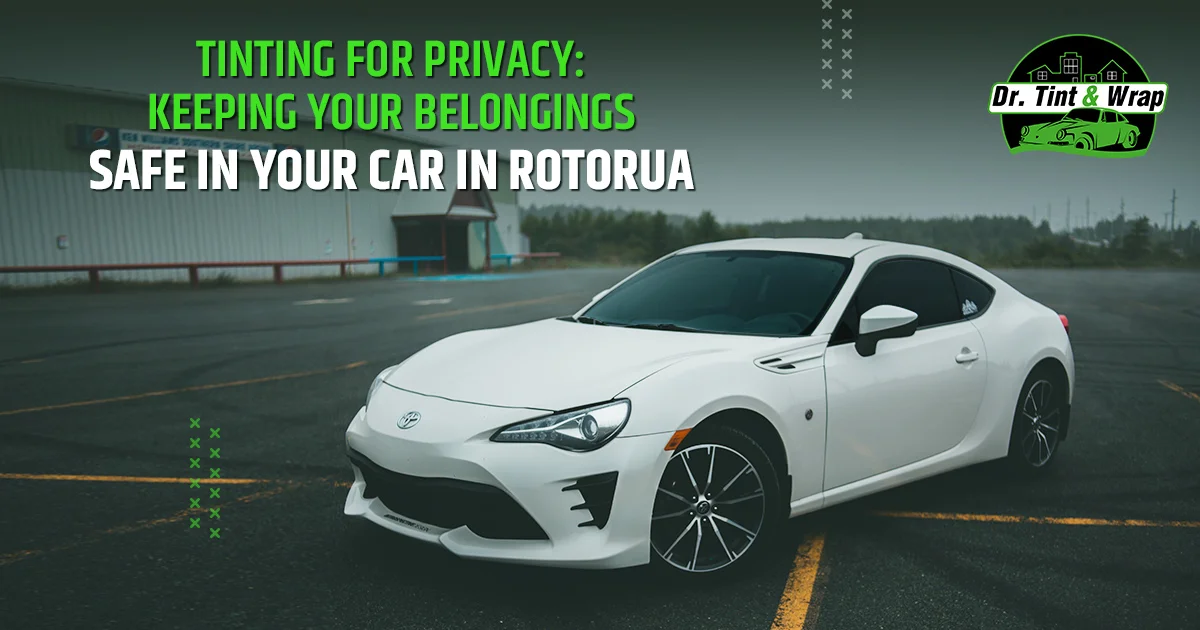
Tinting for Privacy: Keeping Your Belongings Safe in Your Car in Rotorua

09 Aug 2023, By Admin

Rotorua, a picturesque city nestled in New Zealand's North Island, is a haven for tourists and locals alike. Known for its geothermal wonders, stunning lakes, and Maori culture, Rotorua attracts numerous visitors throughout the year. However, with increased tourism and daily activities, it becomes crucial to address the issue of car safety and privacy. One effective solution that has gained popularity in recent years is car window tinting. In this blog, we will explore the benefits of car window tinting in Rotorua, focusing on privacy and keeping your belongings safe.

The Beauty of Rotorua and Its Challenges

Rotorua's natural beauty and vibrant culture make it an ideal destination for both short trips and extended vacations. From exploring the geothermal wonders at Wai-O-Tapu and Te Puia to enjoying a peaceful stroll around Lake Rotorua, the city offers a wide range of attractions for everyone. However, it's important to remember that every city faces its own unique challenges, and Rotorua is no exception.

Tourist hotspots can also attract opportunistic criminals who may target unattended vehicles, especially those with visible valuable belongings. Whether you're visiting a geothermal park or enjoying a Maori cultural performance, leaving your car in a public parking area can sometimes be a risky proposition.

Car Window Tinting: An Effective Solution

Car window tinting has emerged as an effective and popular solution to address privacy and security concerns for car owners in Rotorua. Tinting involves applying a thin, transparent film to the interior of the vehicle's windows. This film can significantly reduce the visibility into the car's interior while still allowing occupants to see outside clearly.

Here are some of the key benefits of car window tinting for privacy and security:

  1. Enhanced Privacy: With the right tinting level, you can obscure the view from outside, ensuring that prying eyes cannot easily see your personal belongings or the interior of your vehicle. This added privacy can provide peace of mind while you explore Rotorua's attractions, go for a hike, or have a relaxing time in a hot spring.
  2. Protection from UV Rays: Car window tinting can block harmful ultraviolet (UV) rays, which not only protect your skin from sun damage but also prevent your car's interior from fading and cracking over time. This added protection is particularly valuable in a place like Rotorua, where the sun can be intense.
  3. Temperature Regulation: Rotorua experiences varied weather conditions, and the summer months can get quite hot. Tinted windows can help regulate the interior temperature, reducing the need for excessive air conditioning and making your driving experience more comfortable.
  4. Shatter Resistance: In the unfortunate event of an accident, car window tinting can hold shattered glass together, reducing the risk of injury to the vehicle's occupants. Moreover, this added strength can also deter thieves from breaking into your car, as gaining access becomes more challenging.

Choosing the Right Tint

Before getting your car windows tinted, it's essential to be aware of New Zealand's specific tinting regulations, which stipulate the permissible Visible Light Transmission (VLT) levels for different windows. For instance, the front-side windows must have a minimum VLT of 35%, while the rear and rear-side windows can have a lower VLT. It's advisable to choose professional window tinting services to ensure the tinting is done within legal limits and to guarantee the quality of the installation.

Car window tinting is an effective solution for enhancing privacy and security while enjoying the beauty of Rotorua. Not only does it protect your belongings from prying eyes and provide shade from the sun, but it also contributes to the safety and comfort of your vehicle. Before getting your windows tinted, make sure to check the local regulations and seek professional services to ensure a successful and legal tinting job.

Dr. Tint & Wrap Rotorua is renowned for its exceptional car window tinting services, setting the standard for excellence in Rotorua. With their skilled technicians and top-of-the-line materials, they deliver unparalleled results that leave customers delighted and their vehicles stylishly protected.

Why Tinting your car's windows can prove to be a boon for your leather upholstery?

Choosing the Right Window Tint for Your Home: A Comprehensive Guide

09 Aug 2023, By Admin

Windows are the eyes of your home, providing natural light, ventilation, and a connection to the outside world. However, they can also be a source of problems, such as excessive heat, glare, and harmful UV rays. Window tinting offers a practical solution to these issues, but selecting the right window tint can be a daunting task. In this guide, we'll walk you through the process of choosing the appropriate window tint for your home based on your specific needs, climate, and window types.

1. Assess Your Needs:

Before diving into the world of window tinting, it's crucial to assess your specific requirements. Consider the following factors:

  • Privacy: Do you need increased privacy without sacrificing natural light?
  • Heat Reduction: Is your home excessively hot, especially during summer months?
  • Glare Reduction: Do you struggle with glare from sunlight that affects your comfort and visibility?
  • UV Protection: Are you concerned about fading furniture and flooring due to UV rays?
  • Energy Efficiency: Are you looking to reduce energy costs by improving insulation?

2. Understand Different Types of Window Tints:

There are various types of window tints available, each designed to address specific issues:

  • Solar Control Films: Ideal for heat and glare reduction, these films block UV rays and improve energy efficiency.
  • Privacy Films: These tints provide privacy during the day while allowing natural light to enter your home.
  • Security Films: Reinforce your windows for added security, protecting your home from break-ins and accidents.
  • Decorative Films: Enhance aesthetics with decorative window films available in various patterns and designs.

3. Consider Your Climate:

The climate of your region plays a significant role in choosing the right window tint:

  • Hot Climates: Opt for tints with high solar heat rejection and UV protection to keep your home cool and protect from sun damage.
  • Cold Climates: Look for tints with insulating properties to retain indoor heat during winters, reducing heating costs.

4. Think About Window Types:

Different window types require different tinting solutions:

  • Double-Pane Windows: Consult with a professional, as certain films can trap heat between the panes, potentially causing damage.
  • Low-E Coated Windows: Use tints recommended by the window manufacturer to maintain the Low-E coating's effectiveness.
  • Older Windows: Consider films that provide insulation, improving energy efficiency in older, less insulated windows.

5. Seek Professional Advice:

While there are DIY tinting kits available, consulting with a professional window tinting service is invaluable. They can assess your specific needs, recommend suitable products, and ensure proper installation, maximizing the tints' effectiveness and longevity.

6. Read Reviews and Get Samples:

Research online reviews and testimonials to learn about other homeowners' experiences with specific window tints. Additionally, request samples from manufacturers or service providers to physically see how different tints look and perform in your home environment.

7. Maintenance and Warranty:

Consider the maintenance requirements and warranty offered with the window tint. Some tints may require special cleaning methods to preserve their effectiveness, while others come with comprehensive warranties, ensuring long-term satisfaction.

In conclusion, choosing the right window tint for your home involves careful consideration of your specific needs, the climate you live in, and the types of windows you have. By understanding these factors and seeking professional guidance, you can enhance your home's comfort, energy efficiency, and overall aesthetics, making an informed choice that you'll appreciate for years to come.

See More

Why Tinting your car's windows can prove to be a boon for your leather upholstery?

What Is The Darkest Legal Tint In NZ?

09 Aug 2023, By Admin

You’re cruising down a long, smooth highway, taking in the scenic beauty all around you. Suddenly, a sleek black sedan zooms by, catching your eye with its dark, mysterious window tints. The striking contrast between the deep black glass and the shining car body leaves you a bit envious—there’s something undeniably captivating about those dark tints.


Let’s be honest: dark tints give any car a bold, impressive look. Beyond their aesthetic appeal, they also offer practical benefits like protecting passengers from the sun and keeping the interior cool. However, it’s important to remember that there are specific regulations in New Zealand regarding the use of dark tints on vehicles, enforced by the New Zealand Transport Agency and the Ministry of Transport. These regulations must be followed to ensure your car stays road legal.


In this guide, we’ll cover everything you need to know about shaded car window tints, including the legal requirements in New Zealand. We’ll also show you how to have these dark tints installed on your car, legally and expertly.


How to Install the Darkest Legal Tints in NZ

At AutoExpert.co.nz, we are specialists in shaded car window tinting with over 8 years of experience. When it comes to ensuring that your car’s tints are both stylish and compliant with legal standards, AutoExpert is the name you can trust.


To achieve the best and darkest legal tint for your vehicle, visit our studio. Our experts will guide you through the process, helping you choose the perfect tint to transform your car.


Curious about what makes AutoExpert stand out? Learn more about us here, where you'll also find our contact details and location.


Now, let’s dive into the rules and regulations surrounding window tinting in New Zealand and find out what the darkest legal tint is.


Legal Tint NZ: The Reason for Regulations

Dark tints can make a vehicle look sleek and imposing, but there are good reasons for the legal restrictions on their use.


One of the main concerns is visibility. Once windows are heavily tinted, the interior of the vehicle becomes obscured, which could be exploited by individuals with ill intent, making it difficult for law enforcement to see inside the vehicle.


To prevent such issues, New Zealand has established clear rules for the use of dark tints.


These regulations don’t just apply to windows; there are also restrictions on tinting headlights. According to the New Zealand Transport Agency, it’s illegal to apply tint to headlights or lamps, except for decorative purposes.


How Tint Darkness Is Measured

The darkness of shaded car window tints is measured by Visual Light Transmittance (VLT).


VLT refers to the amount of light that can pass through the tinted windows. A higher VLT percentage means more light passes through, indicating a lighter tint, while a lower VLT percentage means less light passes through, indicating a darker tint.


To better understand the legal requirements, let’s take a closer look at the classification of passenger vehicles.


Classification of Passenger Vehicles

The New Zealand Transport Authority categorizes vehicles based on factors like size, power, and seating capacity.


Passenger vehicles are classified into three main categories: MA, MB, and MC.

  • MA (Passenger Car): Vehicles with up to 9 seating positions, including the driver.
  • MB (Forward Control Passenger Vehicle): Vehicles with 9 seating positions and a steering wheel located in the forward quarter of the vehicle’s length.
  • MC (Off-Road Passenger Vehicle): Vehicles designed for off-road use, also with 9 seating positions.


Other classifications include MD (light omnibus), ME (heavy omnibus), goods vehicles, and trailers, each with further sub-categories based on weight, capacity, and usage.


Checking Tint Compliance

The most accurate way to check if your window tint complies with NZ laws is by using a calibrated VLT meter, available at our studio. This device measures the exact VLT of the tint, ensuring it fully complies with the regulations set by the New Zealand Transport Agency and the Ministry of Transport.


We also recommend placing a sticker on the windshield that indicates the VLT level of the installed tints, which can help speed up inspections. While not mandatory, this sticker can make the process smoother.


For a more detailed understanding of legal tinting regulations, you can visit the Ministry of Transport’s website: Land Transport Rule: Glazing, Windscreen Wipe and Wash, and Mirrors Rule 1999.


Dark tints on car windows are not only stylish but also provide privacy and protection from the sun. However, they can also be misused, which is why strict regulations are in place.


At Dr. Tint, we have experience in installing top-quality dark tints that are both stylish and fully compliant with all legal requirements.


Consult with us today and give your car the perfect makeover with our expert tinting services!


Book Now

See More

Why Tinting your car's windows can prove to be a boon for your leather upholstery?

Home Window Tinting: What Is It and How Much Does It Cost?

09 Aug 2023, By Admin

As homeowners seek innovative ways to improve comfort, energy efficiency, and privacy, home window tinting has become a popular solution. But what exactly is home window tinting, and how much does it cost? In this blog, we’ll dive into the benefits, process, and pricing of this transformative home upgrade.

What is Home Window Tinting?

Home window tinting involves applying a thin, durable film to the interior or exterior of your windows. The film is designed to reduce heat, glare, and UV rays while offering privacy. While window tinting is commonly associated with cars, it has gained popularity for residential applications due to its ability to enhance energy efficiency and protect home interiors.

Types of Window Tinting Films:

  • Solar Control Films: Reduce heat and glare, keeping your home cooler in the summer and reducing energy costs.
  • Security Films: Provide added protection by making glass more difficult to break, preventing potential intrusions.
  • Decorative Films: Offer an aesthetic appeal with frosted or colored designs that add privacy without sacrificing style.
  • UV Blocking Films: Block up to 99% of harmful UV rays, helping to protect furniture, floors, and artwork from fading.

Benefits of Home Window Tinting

  1. Energy Efficiency: One of the key advantages of home window tinting is its ability to lower energy bills. By blocking heat from entering your home during the summer and insulating windows during the winter, your HVAC system doesn’t have to work as hard to maintain a comfortable temperature.
  2. UV Protection: Prolonged exposure to UV rays can damage your skin and fade your furniture and flooring. Tinted windows can block a significant portion of UV rays, safeguarding your home and family.
  3. Privacy: Tinted windows offer enhanced privacy by limiting the view into your home from the outside, making it difficult for people to see inside during the day.
  4. Reduced Glare: Home window tinting can significantly cut down on glare, improving comfort while watching TV, using computers, or simply relaxing.
  5. Security: Security films make windows harder to break, adding a layer of protection against intruders and severe weather.

How Much Does Home Window Tinting Cost?

The cost of home window tinting depends on several factors, including the size and number of windows, the type of film you choose, and the complexity of the installation. Here’s a general breakdown:

  1. Cost Per Square Foot: Home window tinting typically ranges from $5 to $15 per square foot. High-end or specialized films, such as security or decorative films, can be on the higher end of this range.
  2. Installation Costs: Installation costs vary depending on the difficulty of the project. Professional installation ensures a smooth, bubble-free application and can range from $150 to $400 per window. Large or uniquely shaped windows may cost more due to the complexity of the installation.
  3. DIY vs. Professional Installation: While DIY window tinting kits are available and can be a more affordable option (around $2 to $4 per square foot), they often lack the quality and durability of professional-grade films. A DIY job also carries the risk of errors, such as bubbles or peeling, which may result in additional costs down the line.

Factors Affecting the Cost of Home Window Tinting

  1. Window Size and Quantity: The more windows you have, the more the project will cost. Larger windows also increase costs due to the additional material and time required.
  2. Film Type: The specific type of film you choose impacts the price. Decorative, security, or UV-blocking films are usually more expensive than basic solar films.
  3. Location: Installation costs can vary depending on your geographic location and the availability of professional services.
  4. Additional Features: Some window films offer extra benefits like anti-glare or energy efficiency, which may come at a higher cost.

Is Home Window Tinting Worth the Investment?

Given the benefits of energy savings, enhanced privacy, and UV protection, home window tinting can be a smart investment for homeowners. In regions with extreme heat or cold, the energy savings alone can offset the initial cost over time. Additionally, the long-term benefits of protecting your furniture and reducing the risk of break-ins make it a valuable home improvement option.

Home window tinting is a cost-effective way to improve energy efficiency, privacy, and security in your home. While prices can vary depending on your specific needs, the long-term benefits make it a worthwhile investment for many homeowners. Whether you opt for professional installation or a DIY approach, window tinting offers a range of solutions to enhance your living space.

If you’re considering tinting your home’s windows, get quotes from local professionals to determine the best options for your budget and needs.

See More

Feedback
   Feedback    Call Now