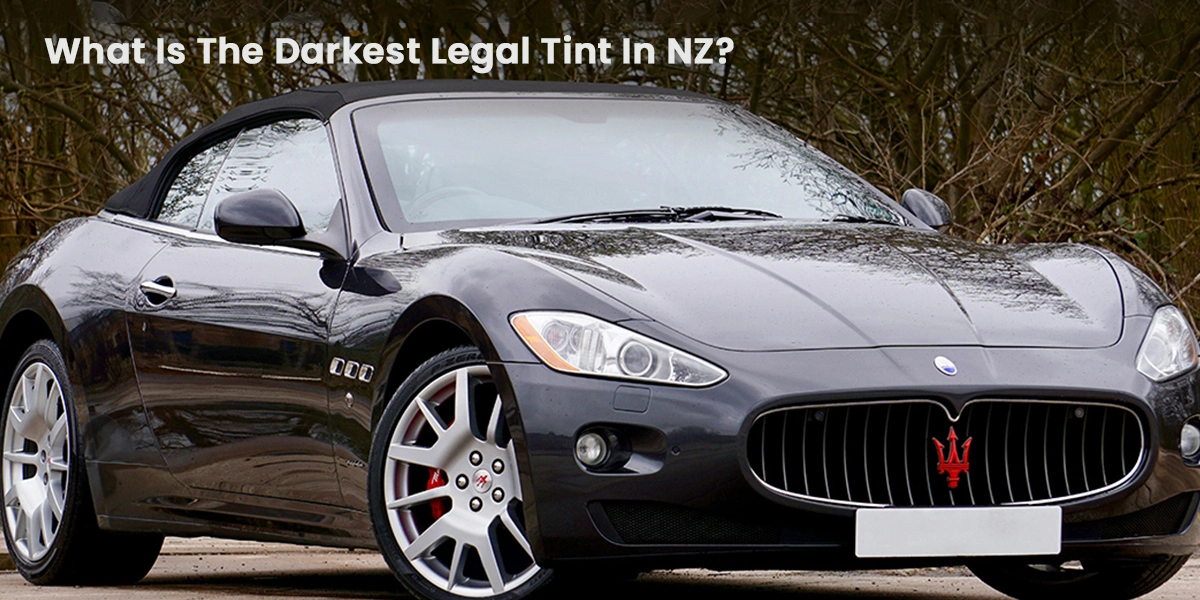

what-is-the-darkest-legal-tint-in-nz.webp

What Is The Darkest Legal Tint In NZ?

30 Aug 2024, By Admin

You’re cruising down a long, smooth highway, taking in the scenic beauty all around you. Suddenly, a sleek black sedan zooms by, catching your eye with its dark, mysterious window tints. The striking contrast between the deep black glass and the shining car body leaves you a bit envious—there’s something undeniably captivating about those dark tints.


Let’s be honest: dark tints give any car a bold, impressive look. Beyond their aesthetic appeal, they also offer practical benefits like protecting passengers from the sun and keeping the interior cool. However, it’s important to remember that there are specific regulations in New Zealand regarding the use of dark tints on vehicles, enforced by the New Zealand Transport Agency and the Ministry of Transport. These regulations must be followed to ensure your car stays road legal.


In this guide, we’ll cover everything you need to know about shaded car window tints, including the legal requirements in New Zealand. We’ll also show you how to have these dark tints installed on your car, legally and expertly.


How to Install the Darkest Legal Tints in NZ

At AutoExpert.co.nz, we are specialists in shaded car window tinting with over 8 years of experience. When it comes to ensuring that your car’s tints are both stylish and compliant with legal standards, AutoExpert is the name you can trust.


To achieve the best and darkest legal tint for your vehicle, visit our studio. Our experts will guide you through the process, helping you choose the perfect tint to transform your car.


Curious about what makes AutoExpert stand out? Learn more about us here, where you'll also find our contact details and location.


Now, let’s dive into the rules and regulations surrounding window tinting in New Zealand and find out what the darkest legal tint is.


Legal Tint NZ: The Reason for Regulations

Dark tints can make a vehicle look sleek and imposing, but there are good reasons for the legal restrictions on their use.


One of the main concerns is visibility. Once windows are heavily tinted, the interior of the vehicle becomes obscured, which could be exploited by individuals with ill intent, making it difficult for law enforcement to see inside the vehicle.


To prevent such issues, New Zealand has established clear rules for the use of dark tints.


These regulations don’t just apply to windows; there are also restrictions on tinting headlights. According to the New Zealand Transport Agency, it’s illegal to apply tint to headlights or lamps, except for decorative purposes.


How Tint Darkness Is Measured

The darkness of shaded car window tints is measured by Visual Light Transmittance (VLT).


VLT refers to the amount of light that can pass through the tinted windows. A higher VLT percentage means more light passes through, indicating a lighter tint, while a lower VLT percentage means less light passes through, indicating a darker tint.


To better understand the legal requirements, let’s take a closer look at the classification of passenger vehicles.


Classification of Passenger Vehicles

The New Zealand Transport Authority categorizes vehicles based on factors like size, power, and seating capacity.


Passenger vehicles are classified into three main categories: MA, MB, and MC.

  • MA (Passenger Car): Vehicles with up to 9 seating positions, including the driver.
  • MB (Forward Control Passenger Vehicle): Vehicles with 9 seating positions and a steering wheel located in the forward quarter of the vehicle’s length.
  • MC (Off-Road Passenger Vehicle): Vehicles designed for off-road use, also with 9 seating positions.


Other classifications include MD (light omnibus), ME (heavy omnibus), goods vehicles, and trailers, each with further sub-categories based on weight, capacity, and usage.


Checking Tint Compliance

The most accurate way to check if your window tint complies with NZ laws is by using a calibrated VLT meter, available at our studio. This device measures the exact VLT of the tint, ensuring it fully complies with the regulations set by the New Zealand Transport Agency and the Ministry of Transport.


We also recommend placing a sticker on the windshield that indicates the VLT level of the installed tints, which can help speed up inspections. While not mandatory, this sticker can make the process smoother.


For a more detailed understanding of legal tinting regulations, you can visit the Ministry of Transport’s website: Land Transport Rule: Glazing, Windscreen Wipe and Wash, and Mirrors Rule 1999.


Dark tints on car windows are not only stylish but also provide privacy and protection from the sun. However, they can also be misused, which is why strict regulations are in place.


At Dr. Tint, we have experience in installing top-quality dark tints that are both stylish and fully compliant with all legal requirements.


Consult with us today and give your car the perfect makeover with our expert tinting services!


Book Now

Why Tinting your car's windows can prove to be a boon for your leather upholstery?

What Is Car Wrapping and Why Should You Consider It?

30 Aug 2024, By Admin

In a world where personalization and individuality reign supreme, car enthusiasts and owners are constantly looking for unique ways to make their vehicles stand out. While custom paint jobs have long been a popular choice for personalizing a car's appearance, car wrapping has emerged as a revolutionary and cost-effective alternative. In this blog, we'll explore the concept of car wrapping and why you should consider it as a viable option for transforming your vehicle's look.

Why Should You Consider Car Wrapping?

  • Aesthetic Freedom: Car wrapping offers an incredible degree of personalization. You can choose from a wide range of colors, patterns, and finishes to create a look that's uniquely yours. Whether you want a sleek matte black finish or a vibrant, attention-grabbing design, the possibilities are endless.
  • Cost-Effective: Compared to a custom paint job, car wrapping is a more budget-friendly option. It allows you to change your vehicle's appearance without the high cost of a complete repaint.
  • Protective Properties: The vinyl film provides a layer of protection for your car's original paint, shielding it from minor scratches, stone chips, and the effects of UV rays. When it's time to remove the wrap, your car's paint will look as good as new.
  • Temporary or Reversible: Car wraps are not permanent modifications. If you decide you want a different look or if you're selling your vehicle, the wrap can be easily removed without damaging the original paint.
  • Promotional and Branding Opportunities: Car wrapping is not limited to personal vehicles. Businesses often use vehicle wraps as an effective form of mobile advertising, turning their company cars into moving billboards.
  • Resale Value: A well-maintained wrapped car can potentially fetch a higher resale value as the original paint underneath is protected from wear and tear.
  • Quick Turnaround: Car wrapping typically takes less time than a traditional paint job, allowing you to get back on the road with your transformed vehicle sooner.

Choosing the Right Professional

For the best results, it's crucial to choose an experienced and reputable car wrapping professional. Look for someone who uses high-quality vinyl materials and has a portfolio of previous work. The skill and precision of the installer can make a significant difference in the final look and longevity of the wrap.

Car wrapping is a versatile and cost-effective way to personalize and protect your vehicle. Whether you're looking to change your car's color, create a unique design, or use your vehicle for advertising purposes, car wrapping offers numerous benefits. Plus, with easy removal and preservation of your car's resale value, it's a win-win choice for those who want to make a statement on the road. So, if you're considering a fresh look for your car, don't overlook the exciting world of car wrapping. It might just be the perfect solution for you.

See More

Why Tinting your car's windows can prove to be a boon for your leather upholstery?

The Benefits of Office Window Tinting in New Zealand

30 Aug 2024, By Admin

When it comes to enhancing the comfort and functionality of your home, window tinting is a solution that often goes unnoticed. In New Zealand, where climate variations are common, the benefits of home window tinting extend far beyond aesthetic appeal. In this article, we'll explore how home window tinting can significantly reduce your energy bills and lead to long-term cost savings, making it a smart investment for homeowners across the country.

Understanding the Energy Efficiency of Window Tinting

New Zealand experiences a range of weather conditions throughout the year, from scorching summers to chilly winters. During these extremes, the energy used to regulate indoor temperatures can skyrocket. This is where window tinting comes into play.

1. Heat Reduction: One of the primary benefits of window tinting is its ability to reduce heat gain. Tinted windows block a significant portion of the sun's heat and harmful UV rays from entering your home. As a result, your indoor spaces remain cooler during hot summer months, reducing the need for air conditioning.

2. Insulation: Window tinting also provides insulation benefits, helping to maintain a consistent indoor temperature. In winter, it helps to keep warmth inside, reducing the need for excessive heating.

Cost Savings Through Window Tinting

Now, let's delve into how these energy-efficient qualities translate into tangible cost savings for homeowners in New Zealand.

1. Lower Energy Bills: By reducing heat gain during the summer and heat loss during the winter, window tinting significantly reduces your reliance on heating and cooling systems. As a result, you'll see a noticeable drop in your energy bills year-round.

2. Extended Appliance Lifespan: Reduced reliance on air conditioners and heaters not only saves you money on electricity but also extends the lifespan of these appliances. They don't have to work as hard, which means fewer repairs and replacements.

3. Furniture and Flooring Preservation: Window tinting also blocks harmful UV rays that can cause fading and damage to your furniture, flooring, and décor. This means you won't have to spend as much on replacing or refurbishing these items.

4. Enhanced Home Value: A home with energy-efficient features like window tinting can command a higher resale value in the New

Zealand real estate market. Potential buyers are often willing to pay more for a home with reduced energy costs.

In New Zealand, where energy efficiency and sustainability are becoming increasingly important, home window tinting stands out as a practical investment for homeowners. By reducing energy bills, extending the lifespan of appliances, preserving your interior, and enhancing your home's value, window tinting offers numerous long-term cost-saving benefits.

So, if you're looking to make your New Zealand home more energy-efficient and cost-effective, consider investing in professional window tinting services. Not only will you enjoy a more comfortable living space, but you'll also contribute to a greener and more sustainable future while saving money in the process.

See More

Why Tinting your car's windows can prove to be a boon for your leather upholstery?

Why You Should Consider Home Window Tinting for Privacy ?

30 Aug 2024, By Admin

Privacy is a fundamental aspect of our daily lives. It allows us to feel safe, secure, and comfortable in our own homes. When it comes to windows, they are an essential part of any home, providing natural light, ventilation, and views of the outside world. However, they can also be a source of privacy concerns, especially if you live in a densely populated area or have windows facing a busy street. This is where home window tinting can come to the rescue. Home window tinting is a process that involves applying a thin film to your windows, which can help regulate the amount of sunlight that enters your home, while also providing privacy. In this blog post, we will explore the benefits of home window tinting for privacy and how to balance natural light and privacy needs.

Why is Privacy Important?

Privacy is important for several reasons. Firstly, it provides a sense of security and peace of mind. Knowing that you can enjoy your personal space without the prying eyes of others is crucial to feeling comfortable in your own home. Secondly, privacy protects your personal information and belongings from potential intruders. It also helps prevent identity theft and keeps your home safe from burglaries. Lastly, privacy allows you to have personal moments with your loved ones without feeling exposed to the outside world.

The Benefits of Home Window Tinting for Privacy

Home window tinting offers several benefits when it comes to privacy:

Enhanced Privacy: Window tinting films come in various opacities, ranging from translucent to opaque. This means you can choose a film that meets your privacy needs, allowing you to enjoy natural light while maintaining privacy. Tinted windows prevent outsiders from looking into your home, protecting your personal space.

Daytime Privacy: Home window tinting allows you to enjoy natural light during the day without compromising your privacy. You can go about your daily activities without feeling exposed to the outside world, making your home a more comfortable and private space.

Glare Reduction: Window tinting films can reduce glare caused by direct sunlight, making it easier to work on screens, watch TV, or simply relax without squinting or straining your eyes. This enhances your privacy by preventing outsiders from seeing what you are doing inside your home.

UV Radiation Protection: Home window tinting can block up to 99% of harmful UV rays from entering your home. UV rays can cause furniture, flooring, and other belongings to fade or deteriorate over time. Tinted windows help protect your belongings from UV radiation, prolonging their lifespan and ensuring privacy by preventing outsiders from seeing the inside of your home.

Energy Efficiency: Window tinting films can also help regulate the temperature inside your home, reducing the need for artificial cooling or heating. This can result in energy savings and lower utility bills. Additionally, energy-efficient windows can provide privacy by reducing the need for curtains or blinds, allowing you to enjoy natural light without sacrificing privacy.

See More

Feedback
   Feedback    Call Now