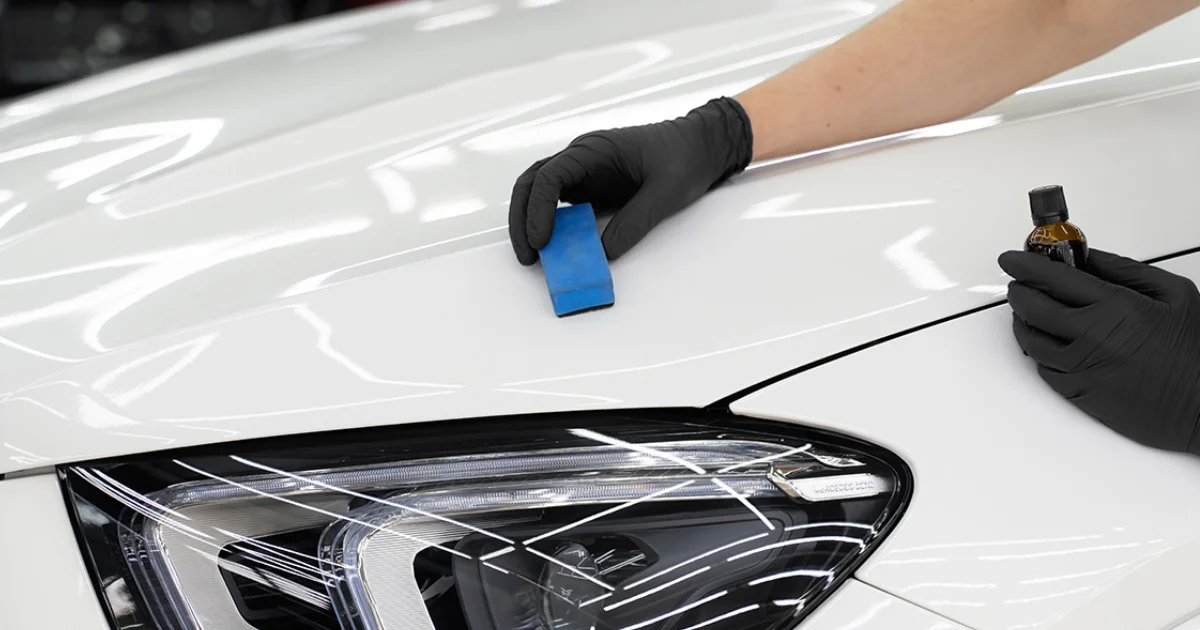

is-car-ceramic-coating-worth-the-hype.webp

Is Car Ceramic Coating Worth the Hype?

14 May 2024, By Admin

We wish our cars always looked as good as new after years of use! But, no. It doesn’t work like that. After a few years, fading paint, scratches, scuff marks, and corrosion deteriorate the original color and sheen of the paintwork. Is there a way to protect your car’s appearance? Of course! We live in an era of innovation and advancements where the automotive industry has undergone revolutionary changes, and engineers have discovered an incredible way to safeguard a car’s exterior.

Among diverse paint protection methods, car ceramic coating has acclaimed immense popularity across the globe. You may have even spotted cars with ceramic coatings but never recognized them. A ceramic coating proposes a seamless finish and is an excellent option to protect your car’s paintwork.

For all the newbies unaware of ceramic coatings, this blog is the ideal guide to answering your questions. You will learn everything you need to know about this wonder product.

Car Ceramic Coating: An Introduction

Car ceramic coating is made of liquid polymer that chemically interacts with the car’s original paintwork to form a protective layer. It provides semi-permanent to permanent protection. Unlike other car protection films, ceramic coating is not applied on the surface level but on a molecular level. Therefore, it furnishes optimal protection and efficiency.

While wax coating offers only temporary shine and waterproof qualities,ceramic coating is much more durable and resistant to dust and water. When applied, car ceramic coating bonds with the car’s paint, filling in pores and scratches. As it cures, you get a hard and sturdy coating that enhances the longevity of your car’s paint.

Generally, the coating consists of silicon dioxide, which is naturally derived from sand and quartz. Often, titanium dioxide is added to boost the coating’s efficiency.

Now, why do car owners prefer ceramic coating over wax or other coatings? Let’s discuss it in the next section.

The Many Benefits of Car Ceramic Coating

Car lovers are going gaga over ceramic coating, and we have many reasons for that!

  • Enhanced Protection: As we said, if you want to protect your car’s paintwork, the ceramic coating does the job exceptionally well! Since it forms a hard layer over the car’s surface, you can expect enhanced paint protection against various elements. No more scratches, fading paint or bird-dropping spots!
  • Dust and Water-Resistant: Imagine driving through a dirt track only to see your car has turned into a dirt magnet! You have to thoroughly clean your car to get rid of the mess. However, with car detailing Tauranga, you no longer have to worry about dirt sticking to the surface. Also, you are safe against corrosion because your car’s exterior is now waterproof!
  • Promotes Paint Life: Obviously, with the additional protection, your car’s paint will last much longer while retaining its color and gloss. You have better paint protection now from UV rays, stone chips, scuff marks, etc.
  • Corrosion Prevention: Cars are prone to corrosion due to water and other liquid spills. Even heavy rain can cause considerable damage to the paint when not maintained properly.
  • UV Protection: Who knew cars could be protected from harmful UV rays until the emergence of ceramic coatings? These polymer components act as a barrier against the harmful impact of UV rays that can considerably fade away the car’s paintwork. It also keeps the car’s interior cool and comfortable.
  • Easy Maintenance: Since car ceramic coating is hydrophobic, it requires less maintenance. It is easy to clean, and your car remains spotless for years.

Ceramic coating cost varies depending on the quality, durability, andcoverage. Nonetheless, it is an effective way to enhance your car’s aesthetics and safeguard it from surface damage.

Why Tinting your car's windows can prove to be a boon for your leather upholstery?

Choosing the Right Window Tint for Your Home: A 2023 Guide

14 May 2024, By Admin

When it comes to enhancing the comfort, energy efficiency, and privacy of your home, window tinting is an excellent choice. In 2023, homeowners are increasingly turning to home window tinting not only for its aesthetic appeal but also for its practical benefits. However, choosing the right window tint for your home can be a daunting task with so many options available. To help you make an informed decision, this blog will answer some essential "wh" questions about home window tinting.

What is Home Window Tinting?

Home window tinting is a process where a thin film is applied to the interior or exterior surface of windows. This film contains various layers designed to provide specific benefits, such as reducing heat and glare, protecting against UV rays, and enhancing privacy.

Why Should You Consider Home Window Tinting?

a.What are the Benefits?

  • Energy Efficiency: Window tinting helps regulate indoor temperatures, reducing the need for excessive heating or cooling.
  • UV Protection: Tinted windows block harmful UV rays, preventing fading of furniture, flooring, and artwork.
  • Glare Reduction: Tinting minimizes glare on screens and surfaces, making indoor spaces more comfortable.
  • Privacy: Window films offer varying degrees of privacy, allowing you to control the visibility from outside.

b.How Does It Save Money?

  • Reduced Energy Bills: By maintaining stable indoor temperatures, window tinting can lead to lower heating and cooling costs.
  • Increased Lifespan of Furnishings: UV protection helps extend the lifespan of your interior furnishings, reducing replacement expenses.

When is the Best Time to Install Window Tinting?

The best time to install home window tinting is during the initial construction or renovation of your home. However, it can be added to existing windows at any time. It's essential to choose a reputable installer who can assess your needs and recommend the right time for installation.

Where Should You Apply Window Tinting?

You can apply window tinting to various areas in your home, including:

  • Living rooms
  • Bedrooms
  • Bathrooms
  • Kitchen
  • Home offices
  • Glass doors and skylights

Consider where you need specific benefits, such as glare reduction in your office or privacy in your bedroom.

How Do You Choose the Right Window Tint?

a.What are Your Goals?

  • Identify your primary objectives, whether it's energy efficiency, UV protection, privacy, or all of the above.

b.Consider the Tint Type:,

There are different types of window tints to consider:

  • Reflective Tint: Offers privacy and heat reduction but can be highly reflective from the outside.
  • Ceramic Tint: Provides excellent UV protection and insulation without affecting visibility.
  • Decorative Tint: Adds style and privacy with various patterns and designs.

c.Evaluate Tint Darkness:

  • The darkness of the tint affects the amount of light and heat it blocks. Choose a darkness level that suits your preferences and needs.

d.Consult with Professionals:

  • Seek advice from experienced window tinting professionals who can guide you in selecting the right tint for your home.

In 2023, home window tinting is a smart investment for any homeowner looking to improve energy efficiency, protect their furnishings, and enhance privacy. By answering the "wh" questions about home window tinting, we hope you're now better equipped to make an informed decision. Remember to consult with experts and consider your specific goals when choosing the right window tint for your home. With the right tint, you can enjoy a more comfortable, efficient, and private living space.

See More

Why Tinting your car's windows can prove to be a boon for your leather upholstery?

One-Way Mirror Film Window Tinting: Window Film to See Out But Not In

14 May 2024, By Admin

If you're seeking privacy while still enjoying an unobstructed view, one-way mirror film window tinting is a fantastic solution. This unique window treatment, often called one-way mirror glass film or simply one-way mirror film, allows you to see out clearly during the day while preventing others from seeing inside. In this blog, we’ll explore how this film works, its benefits, and considerations for using it.

How Does One-Way Mirror Film Work?

One-way mirror glass film works on the principle of light reflection. During the day, the side with more light (typically the outside) reflects light back, creating a mirrored effect. This prevents people from seeing inside while still allowing those inside to see out. The film does not block visibility entirely but gives the appearance of a mirror from the outside.

At night, however, this effect diminishes. If the lights inside are brighter than outside, the film will not prevent people from looking in. Therefore, additional privacy measures, like blinds or curtains, are often used in the evening.

Benefits of One-Way Mirror Film

  1. Enhanced Privacy:
    The primary advantage of a one-way mirror film is privacy. Whether you’re at home, in an office, or operating a business, this film keeps your interior spaces hidden from the outside world while still offering a clear view of the outdoors. It’s ideal for those who live or work in busy, high-traffic areas.

  2. Improved Energy Efficiency:
    One-way mirror film can also help improve energy efficiency. By reflecting sunlight, it reduces heat buildup in your space, meaning less reliance on air conditioning during the summer months. This can lead to noticeable savings on your energy bill.

  3. UV Protection:
    Along with reflecting light, many one-way mirror films offer UV protection. This reduces the amount of harmful ultraviolet rays entering your home or office, protecting furniture, flooring, and even your skin from sun damage.

  4. Aesthetic Appeal:
    The mirrored appearance of the film provides a modern, sleek look to your windows. It's often used in commercial buildings for this reason, as it adds a professional and polished appearance to the exterior.

Applications of One-Way Mirror Film

One-way mirror glass film can be used in various settings:

  • Homes: It’s perfect for residential spaces where you want to maintain privacy without sacrificing views, such as living rooms, kitchens, or home offices.
  • Offices: Businesses often use one-way mirror film for conference rooms or executive offices to protect confidentiality while maintaining a visually open environment.
  • Retail Stores: For storefronts, this film prevents people from seeing inside during the day but allows staff to observe the outside area freely.
  • Public Buildings: Schools, hospitals, and other institutions often use one-way film to enhance security and maintain privacy without creating a closed-off feeling.

Considerations Before Installing One-Way Mirror Film

While one-way mirror film offers many benefits, there are some things to keep in mind:

  • Daytime vs. Nighttime Privacy: Remember that the one-way effect only works when the light is brighter outside than inside. If you need 24-hour privacy, you may need to combine the film with other solutions, such as blinds or shades.
  • Exterior Reflection: The mirrored exterior can reflect sunlight quite strongly. In some environments, this might cause glare, so it’s important to choose a film that balances reflection with practicality.
  • Installation: Professional installation is recommended for one-way mirror film to ensure a smooth, bubble-free finish. Proper installation maximizes both the aesthetic appeal and functional benefits of the film.

One-way mirror film window tinting is a versatile and stylish solution for privacy, energy efficiency, and UV protection. Whether you’re looking to enhance the security of your home, office, or commercial space, this type of window tint allows you to enjoy the best of both worlds—clear views and privacy from those outside.

By choosing high-quality one-way mirror glass film, you can transform your windows into a powerful tool for managing light, temperature, and privacy, all while maintaining a sleek, modern appearance.

One-Way Mirror Film

While one-way mirror privacy window film isn't permitted in New Zealand, our Octane range of darkest legal tints offers a perfect solution. You can achieve that mirror-like appearance without risking fines or driving a non-compliant vehicle. With rich, deep blacks, our darkest legal tint delivers a striking look and enhanced privacy.

Ultimate Privacy, Day and Night—One-Way Mirror Window Film

Our Octane window tint is a top choice for many, offering a range of benefits:

  • Exceptional Heat and Glare Reduction: Enjoy a cooler and more comfortable ride with superior heat and glare control, even on long journeys.
  • Outstanding UV Protection: With up to 99% UV rejection, you and your family are shielded from harmful UV rays.
  • Two Color Options: Choose from two dark shades to achieve the perfect one-way mirror effect you desire.
  • Lifetime Nationwide Warranty: Benefit from peace of mind with our lifetime warranty, ensuring coverage across the country.

One-Way Window Film: See Out But Not In

One-way window film offers the perfect blend of daytime privacy while maintaining natural light in your home. Here’s why our "see out but not in" privacy window film is a great choice and the benefits it brings:

Tint a Home is New Zealand’s most trusted window tinting network, with over 50 years of experience. We provide a lifetime nationwide warranty for residential applications and offer interest-free payment plans (over 3, 6, 9, or 12 months) through Openpay.

Benefits of One-Way Window Film:

  • Enhanced Privacy: Enjoy privacy without sacrificing natural light, allowing you to maintain your view while obscuring the view into your home.
  • Temperature Control: Many privacy films help keep your home cooler in summer and warmer in winter, improving comfort and potentially lowering your energy bills.
  • UV Protection: Protect your family and your home’s furnishings from harmful UV rays, reducing fading and sun damage.

Whether you need privacy in a street-facing lounge, a window overlooking your neighbors, or even your bathroom, our "see out but not in" window film is an excellent solution.

Book Now

See More

Why Tinting your car's windows can prove to be a boon for your leather upholstery?

What You Should Know Before Tinting Your Car

14 May 2024, By Admin

Car window tinting is a popular modification for vehicles, offering a range of benefits from aesthetic enhancements to practical advantages. However, before you jump into tinting your car windows, there are several important factors to consider. In this blog, we will explore everything you need to know to make an informed decision about car window tinting.

Benefits of Car Window Tinting

  1. UV Protection: One of the primary benefits of car window tinting is the protection it offers against harmful ultraviolet (UV) rays. Quality window tints can block up to 99% of UV rays, which can protect your skin from damage and reduce the risk of skin cancer. Additionally, it helps in preserving your car’s interior by preventing fading and cracking caused by sun exposure.
  2. Heat Reduction: Car window tinting can significantly reduce the heat inside your car by blocking a substantial amount of solar energy. This can make your driving experience more comfortable, particularly during hot summer months, and reduce the need for excessive air conditioning, potentially improving fuel efficiency.
  3. Enhanced Privacy and Security: Tinted windows provide increased privacy by making it harder for outsiders to see inside your vehicle. This can deter potential thieves by concealing valuables from prying eyes. Furthermore, in the event of an accident, the tint film can hold shattered glass together, reducing the risk of injury.
  4. Improved Aesthetics: Many car owners choose to tint their windows to enhance the look of their vehicles. Tinted windows can give your car a sleek, sophisticated appearance that sets it apart from others on the road.

Before you proceed with car window tinting, it’s crucial to understand the laws and regulations in your area. Tinting laws vary widely by state and country, dictating the permissible level of tint darkness and reflectivity. Violating these regulations can result in fines and may require you to remove the tint.

Visible Light Transmission (VLT)

The level of tint is measured by the percentage of visible light that passes through the window, known as Visible Light Transmission (VLT). For example, a 50% VLT tint allows 50% of light to pass through, whereas a 5% VLT tint (often referred to as "limo tint") only allows 5% of light through. Check your local laws to determine the legal VLT percentages for your front, rear, and side windows.

Medical Exemptions

Some jurisdictions allow for medical exemptions, permitting darker tints for individuals with specific health conditions that necessitate reduced sun exposure. If you believe you qualify, consult with your local DMV or relevant authority to understand the application process and required documentation.

Types of Window Tint Films

Choosing the right type of tint film is crucial for achieving the desired results. Here are the main types of window tint films available:

  1. Dyed Window Tint: Dyed window tint is the most cost-effective option. It involves applying a layer of dye between an adhesive layer and a protective top coating. While it provides a darker appearance, it may not offer the same level of heat reduction as other types.
  2. Metalized Window Tint: Metalized tint contains tiny metallic particles that reflect heat and UV rays. This type of tint is more durable and effective at heat reduction compared to dyed tints. However, it can interfere with electronic signals, such as GPS and mobile phone reception.
  3. Hybrid Window Tint: Hybrid tints combine dyed and metalized layers, offering a balance of affordability, heat reduction, and minimal signal interference. This makes it a popular choice for many car owners.
  4. Ceramic Window Tint: Ceramic tint is a premium option that uses ceramic particles to block heat and UV rays. It provides excellent performance without interfering with electronic signals. While more expensive, ceramic tint offers superior durability and clarity.
  5. Carbon Window Tint: Carbon tint contains carbon particles that effectively block infrared light, reducing heat without compromising visibility. It is highly durable and does not fade over time, making it a long-lasting investment.

Professional Installation vs. DIY

While DIY tint kits are available, professional installation is recommended for the best results. Experienced installers have the tools and expertise to apply the tint smoothly, without bubbles or imperfections. Professional installation also often comes with a warranty, providing peace of mind in case of any issues.

Maintenance Tips

To ensure your car window tint lasts as long as possible, follow these maintenance tips:

  • Wait Before Cleaning: After installation, wait a few days before cleaning your windows to allow the tint to fully cure.
  • Use Gentle Cleaners: Avoid ammonia-based cleaners, as they can damage the tint film. Instead, use a mild, non-abrasive cleaner and a soft cloth.
  • Be Mindful of Edges: Be careful when cleaning the edges of the tinted windows to prevent peeling or lifting of the film.

Conclusion

Car window tinting Car window tinting offers numerous benefits, from protecting your health and enhancing your car’s appearance to improving comfort and security. By understanding the legal requirements, choosing the right type of tint, and opting for professional installation, you can enjoy the many advantages of tinted windows while avoiding potential pitfalls. Whether you’re seeking UV protection, heat reduction, or a stylish upgrade, car window tinting is a worthwhile investment for any vehicle owner.

See More

Feedback
   Feedback    Call Now