is-ceramic-coating-good-for-your-car.webp

Is Ceramic Coating Good For Your Car ?

12 Feb 2024, By Admin

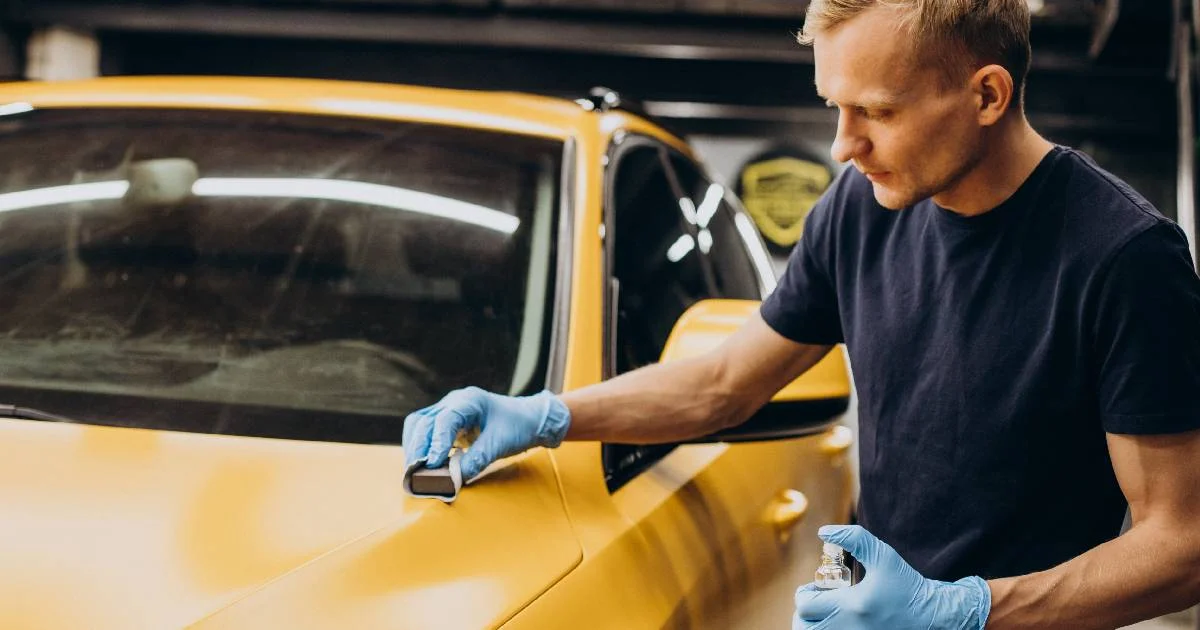
In the world of automotive care and detailing, ceramic coatings have gained immense popularity for their promise of providing long-lasting protection and a stunning, glossy finish for your vehicle. But is ceramic coating really worth the hype, and is it good for your car? Let's delve into the pros and cons of ceramic coatings to help you make an informed decision.

Pros

  • Long-lasting Protection: Ceramic coatings create a durable and protective layer on your car's paintwork. This layer is resistant to various environmental contaminants such as bird droppings, tree sap, bug splatter, and harsh weather conditions. It helps prevent oxidation and fading, keeping your car looking newer for a more extended period.
  • Enhanced Gloss and Shine: One of the most noticeable benefits of ceramic coating is the enhancement of your car's appearance. The coating provides a deep, glossy finish that can make your vehicle stand out and look freshly waxed at all times.
  • Easy Maintenance: Ceramic coatings make cleaning and maintaining your car a breeze. The hydrophobic properties of the coating repel water and contaminants, reducing the chances of dirt and grime sticking to the surface. This not only makes washing your car easier but also less frequent.
  • UV Protection: Ceramic coatings offer UV resistance, protecting your car's paint from the harmful effects of the sun. UV rays can cause paint to fade and deteriorate over time, and a ceramic coating acts as a barrier, preventing these damaging effects.
  • Chemical Resistance: The coating provides a shield against various chemicals found in bird droppings, tree sap, and bug splatter. This chemical resistance ensures that these contaminants do not etch into the paintwork, minimizing the risk of permanent damage.

Cons

  • Application Requires Skill: Applying ceramic coating is a meticulous process that requires skill and attention to detail. While some DIY kits are available, achieving professional-level results often requires experience and expertise. Improper application may lead to uneven coverage and reduced effectiveness.
  • High Initial Cost: Quality ceramic coatings can be relatively expensive, especially when compared to traditional waxes and sealants. However, many enthusiasts argue that the long-term benefits and reduced maintenance costs justify the initial investment.
  • Not Scratch-Proof: While ceramic coatings provide a protective barrier against many contaminants, they are not scratch-proof. They can resist minor scratches and swirls to some extent, but a high level of care is still necessary to avoid more significant damage.
  • Limited Correction Abilities: Once applied, ceramic coatings are challenging to remove without professional intervention. Additionally, they have limited corrective abilities for existing paint imperfections such as scratches or swirl marks. Proper paint correction should be done before applying the coating for optimal results.

Is ceramic coating really effective in protecting your car's paint?

Yes, ceramic coating is highly effective in protecting your car's paint. It forms a strong, transparent layer on the surface of your vehicle that acts as a sacrificial barrier against various environmental contaminants. This includes dirt, bird droppings, tree sap, UV rays, and harsh weather conditions. The coating provides a durable shield that helps prevent oxidation and fading, keeping your car's paint looking glossy and vibrant for an extended period.

Does ceramic coating make my car completely scratch-proof?

While ceramic coatings do offer a higher level of scratch resistance compared to unprotected paint, they are not completely scratch-proof. The coating can withstand light scratches and swirl marks, providing an additional layer of protection. However, it is important to note that heavy or deep scratches can still occur, and it's advisable to avoid abrasive materials during cleaning to minimize the risk of scratches.

How long does ceramic coating last on a car?

The longevity of ceramic coating depends on various factors, including the quality of the product, application technique, and the maintenance of the vehicle. Generally, a professionally applied ceramic coating can last anywhere from one to five years. Regular maintenance, such as washing the car with pH-neutral soaps and avoiding abrasive cleaning methods, can help extend the lifespan of the coating.

Is ceramic coating worth the cost?

The cost of the ceramic coating varies depending on factors such as the product used, the size of the vehicle, and whether it's applied by a professional. While it is a significant upfront investment, many car owners find it worthwhile for the long-term benefits. The enhanced protection, ease of maintenance, and prolonged aesthetic appeal of the car can make ceramic coating a valuable investment for those who prioritize the appearance and longevity of their vehicle's paint.

Why Tinting your car's windows can prove to be a boon for your leather upholstery?

Tinting for Privacy: Keeping Your Belongings Safe in Your Car in Rotorua

12 Feb 2024, By Admin

Rotorua, a picturesque city nestled in New Zealand's North Island, is a haven for tourists and locals alike. Known for its geothermal wonders, stunning lakes, and Maori culture, Rotorua attracts numerous visitors throughout the year. However, with increased tourism and daily activities, it becomes crucial to address the issue of car safety and privacy. One effective solution that has gained popularity in recent years is car window tinting. In this blog, we will explore the benefits of car window tinting in Rotorua, focusing on privacy and keeping your belongings safe.

The Beauty of Rotorua and Its Challenges

Rotorua's natural beauty and vibrant culture make it an ideal destination for both short trips and extended vacations. From exploring the geothermal wonders at Wai-O-Tapu and Te Puia to enjoying a peaceful stroll around Lake Rotorua, the city offers a wide range of attractions for everyone. However, it's important to remember that every city faces its own unique challenges, and Rotorua is no exception.

Tourist hotspots can also attract opportunistic criminals who may target unattended vehicles, especially those with visible valuable belongings. Whether you're visiting a geothermal park or enjoying a Maori cultural performance, leaving your car in a public parking area can sometimes be a risky proposition.

Car Window Tinting: An Effective Solution

Car window tinting has emerged as an effective and popular solution to address privacy and security concerns for car owners in Rotorua. Tinting involves applying a thin, transparent film to the interior of the vehicle's windows. This film can significantly reduce the visibility into the car's interior while still allowing occupants to see outside clearly.

Here are some of the key benefits of car window tinting for privacy and security:

  1. Enhanced Privacy: With the right tinting level, you can obscure the view from outside, ensuring that prying eyes cannot easily see your personal belongings or the interior of your vehicle. This added privacy can provide peace of mind while you explore Rotorua's attractions, go for a hike, or have a relaxing time in a hot spring.
  2. Protection from UV Rays: Car window tinting can block harmful ultraviolet (UV) rays, which not only protect your skin from sun damage but also prevent your car's interior from fading and cracking over time. This added protection is particularly valuable in a place like Rotorua, where the sun can be intense.
  3. Temperature Regulation: Rotorua experiences varied weather conditions, and the summer months can get quite hot. Tinted windows can help regulate the interior temperature, reducing the need for excessive air conditioning and making your driving experience more comfortable.
  4. Shatter Resistance: In the unfortunate event of an accident, car window tinting can hold shattered glass together, reducing the risk of injury to the vehicle's occupants. Moreover, this added strength can also deter thieves from breaking into your car, as gaining access becomes more challenging.

Choosing the Right Tint

Before getting your car windows tinted, it's essential to be aware of New Zealand's specific tinting regulations, which stipulate the permissible Visible Light Transmission (VLT) levels for different windows. For instance, the front-side windows must have a minimum VLT of 35%, while the rear and rear-side windows can have a lower VLT. It's advisable to choose professional window tinting services to ensure the tinting is done within legal limits and to guarantee the quality of the installation.

Car window tinting is an effective solution for enhancing privacy and security while enjoying the beauty of Rotorua. Not only does it protect your belongings from prying eyes and provide shade from the sun, but it also contributes to the safety and comfort of your vehicle. Before getting your windows tinted, make sure to check the local regulations and seek professional services to ensure a successful and legal tinting job.

Dr. Tint & Wrap Rotorua is renowned for its exceptional car window tinting services, setting the standard for excellence in Rotorua. With their skilled technicians and top-of-the-line materials, they deliver unparalleled results that leave customers delighted and their vehicles stylishly protected.

See More

Why Tinting your car's windows can prove to be a boon for your leather upholstery?

How Should I Care for My Tinted Windows?

12 Feb 2024, By Admin

Car window tinting not only enhances the look of your vehicle but also offers several practical benefits, such as UV protection, heat reduction, and privacy. However, to ensure that your tinted windows remain in top condition and last for a long time, proper care and maintenance are essential. Here’s a comprehensive guide on how to care for your car’s tinted windows.

1.Wait Before Cleaning

After installing car window tinting, it's crucial to wait at least a few days before cleaning the windows. This allows the tint to fully adhere to the glass. Touching or cleaning the tint prematurely can cause bubbles or peel the film off the window.

2. Use the Right Cleaning Products

When cleaning tinted windows, avoid using ammonia-based cleaners, as ammonia can break down the tint and cause discoloration. Instead, opt for a mild, non-abrasive soap mixed with water or a cleaner specifically designed for tinted windows. You can also use a vinegar and water solution as a natural alternative.

3. Soft Cloths and Sponges

Always use a soft cloth or sponge when cleaning tinted windows. Abrasive materials like paper towels or scrubbing pads can scratch the tint. Microfiber cloths are ideal because they are gentle and effective at removing dirt and smudges without causing damage.

4. Gentle Cleaning Techniques

When cleaning your tinted windows, apply the cleaning solution to the cloth rather than directly onto the window. This helps to control the amount of liquid and prevents it from seeping into the edges of the tint, which can cause peeling. Wipe the windows in a gentle, circular motion to avoid putting too much pressure on the tint.

5. Regular Cleaning

Regularly cleaning your tinted windows helps maintain their appearance and functionality. Dust, dirt, and grime can build up over time, potentially causing scratches if not removed. Aim to clean your windows at least once a month or more frequently if you live in a particularly dusty or polluted area.

6. Avoid Rolling Down Windows

For the first few days after getting your car windows tinted, avoid rolling them down. The adhesive needs time to cure, and rolling down the windows can cause the tint to peel or bubble.

7. Be Mindful of Seatbelts and Other Objects

Be careful when using seatbelts, loading items into your car, or performing any actions that might come into contact with your tinted windows. Seatbelts can snap back and hit the windows, causing scratches or other damage to the tint. Similarly, avoid placing objects against the windows that could potentially scratch or damage the film.

8. Inspect Regularly for Damage

Regularly inspect your tinted windows for any signs of damage, such as bubbles, peeling, or scratches. Early detection can help prevent minor issues from becoming major problems. If you notice any significant damage, it may be necessary to consult a professional to repair or replace the tint.

9. Protect from Direct Sunlight

While car window tinting is designed to reduce heat and UV exposure, excessive direct sunlight can still cause wear over time. Whenever possible, park your car in shaded areas or use a sunshade to protect your windows and extend the life of your tint.

10. Professional Maintenance

If you're unsure about how to care for your tinted windows or if you encounter any issues, don’t hesitate to seek professional help. Professional installers can provide maintenance tips and repair services to keep your tint in excellent condition.

Conclusion

Proper care and maintenance of your car window tinting are crucial to ensuring its longevity and effectiveness. By following these simple guidelines, you can keep your tinted windows looking great and performing well for years to come. Remember, the key is to be gentle, use the right products, and maintain a regular cleaning schedule. Enjoy the benefits of your tinted windows, from enhanced privacy to UV protection, and keep them in top-notch condition with these easy tips.

See More

Why Tinting your car's windows can prove to be a boon for your leather upholstery?

Car Wrapping Prices Demystified: Factors That Affect the Cost

12 Feb 2024, By Admin

Car wrapping has become an increasingly popular option for vehicle owners who want to give their cars a unique appearance or protect their original paintwork. However, one common question that arises when considering car wrapping is, "How much does it cost?" Car wrapping prices can vary significantly depending on several factors. In this blog post, we will demystify car wrapping prices and explore the key factors that influence the cost.

1. Type of Wrap Material

The choice of wrap material plays a crucial role in determining the cost of car wrapping. There are various options available in the market, ranging from basic vinyl wraps to premium-grade materials. The quality, durability, and finish of the wrap material directly affect the price. High- quality materials tend to be more expensive, but they offer better longevity and superior aesthetics.

2. Vehicle Size and Complexity

The size and complexity of the vehicle are essential considerations in pricing car wrapping services. Larger vehicles such as trucks, SUVs, or vans require more material and labor, resulting in higher costs compared to smaller cars. Similarly, vehicles with intricate body designs, curves, and contours demand additional time and expertise ensure a seamless installation, which can affect the overall pricing.

3. Partial or Full Wrap

Another factor that impacts car wrapping prices is whether you opt for a partial also known as only roof and bonnet wrap or full wrap. A full wrap covers the entire vehicle, including the roof, hood, trunk, and all the body panels. Partial wraps, on the other hand, cover only specific areas of the car. Naturally, a full wrap requires more material and labor, leading to a higher cost compared to a partial wrap.

4. Custom Design and Graphics

If you desire a customized design or graphics on your car wrap, the cost will be influenced by the complexity and intricacy of the design. Custom artwork, logos, or intricate patterns require specialized skills and precision, which may result in additional charges. The more detailed and elaborate the design, the higher the cost will be.

5. Additional Services

Additional services, such as surface preparation, paint protection, and removal of previous wraps, can also impact the overall car wrapping price. Proper surface preparation, including cleaning, degreasing, and removal of any contaminants, is vital for achieving a smooth and long-lasting finish. Paint protection films or clear coats may be recommended to enhance the durability of the wrap, but they can add to the cost.

6. Geographic Location

Car wrapping prices can also vary based on the geographic location. Costs tend to be higher in urban areas or regions with a higher cost of living. Additionally, market competition and local demand can influence pricing. It is advisable to research multiple providers in your area to get a better understanding of the prevailing rates.

Car wrapping prices can vary significantly depending on various factors such as the type of wrap material, the size and complexity of the vehicle, the extent of coverage, custom design requirements, additional services, and geographic location. It is crucial to consider these factors when estimating the cost of car wrapping. To ensure a successful and satisfactory outcome, it is recommended to consult with professional car wrapping providers who can provide accurate pricing information based on your specific requirements. Dr. Tint stands out as a leading provider of top-notch car and vehicle wrapping services, offering the best quality and competitive prices in Hamilton, Rotorua, and Tauranga. Remember, investing in quality materials and expert installation is key to achieving a stunning and long-lasting car wrap.

See More

Feedback
   Feedback    Call Now