
what-is-the-cost-of-wrapping-a-car.webp

What is the cost of wrapping a car?

21 Mar 2024, By Admin

What is the Cost of Wrapping a Car?

Car wrapping has become an increasingly popular way for vehicle owners to change the appearance of their cars without the permanence of a paint job. But what exactly goes into the cost of car wrapping? In this blog, we'll dive into the factors that influence the price of car wrapping, helping you understand what to expect if you decide to give your car a fresh new look.

Understanding Car Wrapping

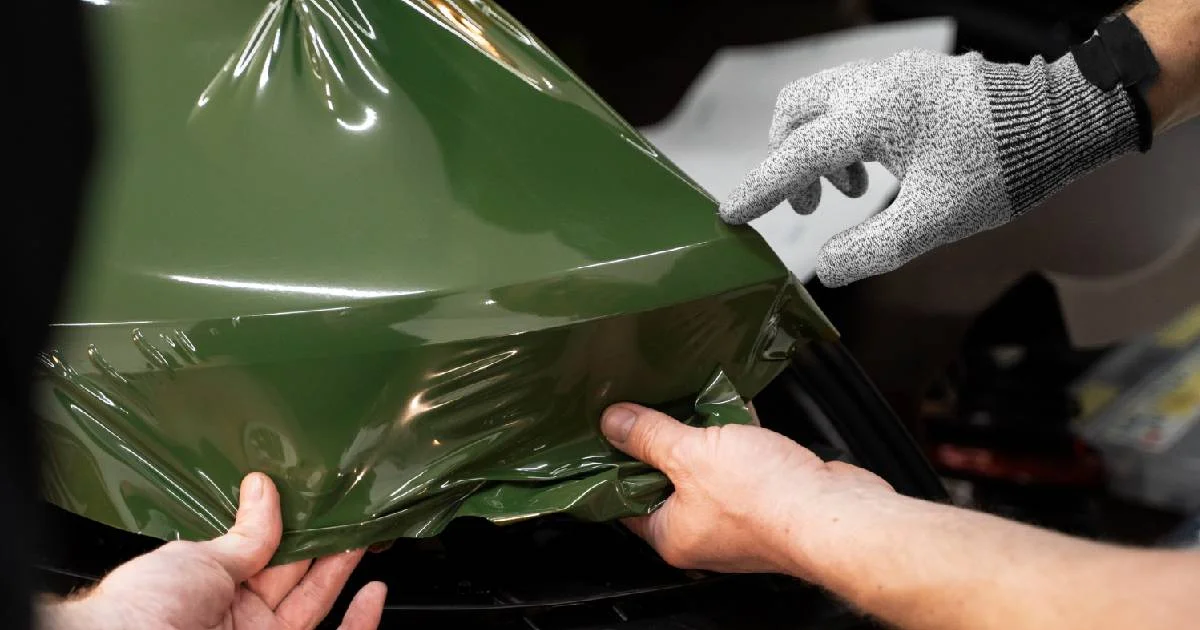
Car wrapping involves applying a vinyl film over the surface of your vehicle. This process allows for a variety of finishes, including matte, gloss, satin, and even custom designs. Unlike traditional paint, a car wrap can be removed without damaging the original paint, making it a versatile and reversible modification.

Factors Affecting the Cost of Car Wrapping

The cost of car wrapping can vary significantly based on several factors. Here are the key elements that influence the overall price:

  1. Vehicle Size and Type
    The size and type of your vehicle are primary determinants of the wrapping cost. Wrapping a small sedan is generally less expensive than wrapping a larger SUV or a luxury sports car. This is because larger vehicles require more vinyl material and more labor hours to cover all the surfaces properly.
  2. Vinyl Quality and Finish
    The quality of the vinyl and the type of finish you choose play a significant role in the cost. High-quality vinyl from reputable brands such as 3M or Avery Dennison can cost more but offers better durability and appearance. The finish also impacts the price; specialty finishes like matte, chrome, or carbon fiber tend to be more expensive than standard gloss or satin finishes.
  3. Design Complexity
    If you opt for a custom design or a wrap with intricate patterns and graphics, the cost will increase. Custom designs require additional time for design, printing, and installation. Simple, single-color wraps are typically more affordable.
  4. Installation Labor
    Labor costs vary based on the installer’s expertise and location. Professional installers with a proven track record may charge more for their services, but they also ensure a higher-quality finish. In metropolitan areas or places with a high cost of living, labor rates may be higher compared to rural areas.
  5. Surface Preparation
    Before applying the vinyl wrap, the car's surface must be thoroughly cleaned and prepped. If your vehicle has scratches, dents, or other imperfections, these need to be addressed, which can add to the overall cost. Some shops include minor prep work in their pricing, while others may charge extra.
  6. Additional Features
    Additional features such as wrapping door jambs, interior trims, or wheels can also increase the cost. These are often considered add-ons and are priced separately.

Average Cost Breakdown

To give you a general idea, here’s a rough estimate of car wrapping costs based on vehicle size and type:

  • Compact Car (e.g., Honda Civic, Ford Focus): $1,500 - $3,000
  • Mid-Size Sedan (e.g., Toyota Camry, BMW 3 Series): $2,000 - $4,000
  • SUV/Truck (e.g., Ford Explorer, Chevrolet Tahoe): $3,000 - $5,000
  • Luxury/Sports Car (e.g., Porsche 911, Tesla Model S): $4,000 - $10,000

These prices can vary depending on the factors mentioned earlier.

Is Car Wrapping Worth the Cost?

Car wrapping offers several advantages that can justify the cost:

  • Customization: You can achieve a unique look that stands out.
  • Protection: Vinyl wraps protect the original paint from minor scratches and UV damage.
  • Reversibility: If you want to revert to your car's original color or change the design, you can simply remove the wrap.
  • Resale Value: Preserving the original paint can help maintain the vehicle’s resale value.

Conclusion

Car wrapping can be a worthwhile investment for those looking to personalize their vehicle or protect its paint. The cost of car wrapping varies based on factors such as vehicle size, vinyl quality, design complexity, labor, surface preparation, and additional features. By understanding these factors, you can make an informed decision and choose a car wrapping service that fits your budget and needs. Whether you’re looking for a bold new look or subtle sophistication, car wrapping offers endless possibilities to transform your vehicle’s appearance.

Why Tinting your car's windows can prove to be a boon for your leather upholstery?

One-Way Mirror Film Window Tinting: Window Film to See Out But Not In

21 Mar 2024, By Admin

If you're seeking privacy while still enjoying an unobstructed view, one-way mirror film window tinting is a fantastic solution. This unique window treatment, often called one-way mirror glass film or simply one-way mirror film, allows you to see out clearly during the day while preventing others from seeing inside. In this blog, we’ll explore how this film works, its benefits, and considerations for using it.

How Does One-Way Mirror Film Work?

One-way mirror glass film works on the principle of light reflection. During the day, the side with more light (typically the outside) reflects light back, creating a mirrored effect. This prevents people from seeing inside while still allowing those inside to see out. The film does not block visibility entirely but gives the appearance of a mirror from the outside.

At night, however, this effect diminishes. If the lights inside are brighter than outside, the film will not prevent people from looking in. Therefore, additional privacy measures, like blinds or curtains, are often used in the evening.

Benefits of One-Way Mirror Film

  1. Enhanced Privacy:
    The primary advantage of a one-way mirror film is privacy. Whether you’re at home, in an office, or operating a business, this film keeps your interior spaces hidden from the outside world while still offering a clear view of the outdoors. It’s ideal for those who live or work in busy, high-traffic areas.

  2. Improved Energy Efficiency:
    One-way mirror film can also help improve energy efficiency. By reflecting sunlight, it reduces heat buildup in your space, meaning less reliance on air conditioning during the summer months. This can lead to noticeable savings on your energy bill.

  3. UV Protection:
    Along with reflecting light, many one-way mirror films offer UV protection. This reduces the amount of harmful ultraviolet rays entering your home or office, protecting furniture, flooring, and even your skin from sun damage.

  4. Aesthetic Appeal:
    The mirrored appearance of the film provides a modern, sleek look to your windows. It's often used in commercial buildings for this reason, as it adds a professional and polished appearance to the exterior.

Applications of One-Way Mirror Film

One-way mirror glass film can be used in various settings:

  • Homes: It’s perfect for residential spaces where you want to maintain privacy without sacrificing views, such as living rooms, kitchens, or home offices.
  • Offices: Businesses often use one-way mirror film for conference rooms or executive offices to protect confidentiality while maintaining a visually open environment.
  • Retail Stores: For storefronts, this film prevents people from seeing inside during the day but allows staff to observe the outside area freely.
  • Public Buildings: Schools, hospitals, and other institutions often use one-way film to enhance security and maintain privacy without creating a closed-off feeling.

Considerations Before Installing One-Way Mirror Film

While one-way mirror film offers many benefits, there are some things to keep in mind:

  • Daytime vs. Nighttime Privacy: Remember that the one-way effect only works when the light is brighter outside than inside. If you need 24-hour privacy, you may need to combine the film with other solutions, such as blinds or shades.
  • Exterior Reflection: The mirrored exterior can reflect sunlight quite strongly. In some environments, this might cause glare, so it’s important to choose a film that balances reflection with practicality.
  • Installation: Professional installation is recommended for one-way mirror film to ensure a smooth, bubble-free finish. Proper installation maximizes both the aesthetic appeal and functional benefits of the film.

One-way mirror film window tinting is a versatile and stylish solution for privacy, energy efficiency, and UV protection. Whether you’re looking to enhance the security of your home, office, or commercial space, this type of window tint allows you to enjoy the best of both worlds—clear views and privacy from those outside.

By choosing high-quality one-way mirror glass film, you can transform your windows into a powerful tool for managing light, temperature, and privacy, all while maintaining a sleek, modern appearance.

One-Way Mirror Film

While one-way mirror privacy window film isn't permitted in New Zealand, our Octane range of darkest legal tints offers a perfect solution. You can achieve that mirror-like appearance without risking fines or driving a non-compliant vehicle. With rich, deep blacks, our darkest legal tint delivers a striking look and enhanced privacy.

Ultimate Privacy, Day and Night—One-Way Mirror Window Film

Our Octane window tint is a top choice for many, offering a range of benefits:

  • Exceptional Heat and Glare Reduction: Enjoy a cooler and more comfortable ride with superior heat and glare control, even on long journeys.
  • Outstanding UV Protection: With up to 99% UV rejection, you and your family are shielded from harmful UV rays.
  • Two Color Options: Choose from two dark shades to achieve the perfect one-way mirror effect you desire.
  • Lifetime Nationwide Warranty: Benefit from peace of mind with our lifetime warranty, ensuring coverage across the country.

One-Way Window Film: See Out But Not In

One-way window film offers the perfect blend of daytime privacy while maintaining natural light in your home. Here’s why our "see out but not in" privacy window film is a great choice and the benefits it brings:

Tint a Home is New Zealand’s most trusted window tinting network, with over 50 years of experience. We provide a lifetime nationwide warranty for residential applications and offer interest-free payment plans (over 3, 6, 9, or 12 months) through Openpay.

Benefits of One-Way Window Film:

  • Enhanced Privacy: Enjoy privacy without sacrificing natural light, allowing you to maintain your view while obscuring the view into your home.
  • Temperature Control: Many privacy films help keep your home cooler in summer and warmer in winter, improving comfort and potentially lowering your energy bills.
  • UV Protection: Protect your family and your home’s furnishings from harmful UV rays, reducing fading and sun damage.

Whether you need privacy in a street-facing lounge, a window overlooking your neighbors, or even your bathroom, our "see out but not in" window film is an excellent solution.

Book Now

See More

Why Tinting your car's windows can prove to be a boon for your leather upholstery?

Is Car Ceramic Coating Worth the Hype?

21 Mar 2024, By Admin

We wish our cars always looked as good as new after years of use! But, no. It doesn’t work like that. After a few years, fading paint, scratches, scuff marks, and corrosion deteriorate the original color and sheen of the paintwork. Is there a way to protect your car’s appearance? Of course! We live in an era of innovation and advancements where the automotive industry has undergone revolutionary changes, and engineers have discovered an incredible way to safeguard a car’s exterior.

Among diverse paint protection methods, car ceramic coating has acclaimed immense popularity across the globe. You may have even spotted cars with ceramic coatings but never recognized them. A ceramic coating proposes a seamless finish and is an excellent option to protect your car’s paintwork.

For all the newbies unaware of ceramic coatings, this blog is the ideal guide to answering your questions. You will learn everything you need to know about this wonder product.

Car Ceramic Coating: An Introduction

Car ceramic coating is made of liquid polymer that chemically interacts with the car’s original paintwork to form a protective layer. It provides semi-permanent to permanent protection. Unlike other car protection films, ceramic coating is not applied on the surface level but on a molecular level. Therefore, it furnishes optimal protection and efficiency.

While wax coating offers only temporary shine and waterproof qualities,ceramic coating is much more durable and resistant to dust and water. When applied, car ceramic coating bonds with the car’s paint, filling in pores and scratches. As it cures, you get a hard and sturdy coating that enhances the longevity of your car’s paint.

Generally, the coating consists of silicon dioxide, which is naturally derived from sand and quartz. Often, titanium dioxide is added to boost the coating’s efficiency.

Now, why do car owners prefer ceramic coating over wax or other coatings? Let’s discuss it in the next section.

The Many Benefits of Car Ceramic Coating

Car lovers are going gaga over ceramic coating, and we have many reasons for that!

  • Enhanced Protection: As we said, if you want to protect your car’s paintwork, the ceramic coating does the job exceptionally well! Since it forms a hard layer over the car’s surface, you can expect enhanced paint protection against various elements. No more scratches, fading paint or bird-dropping spots!
  • Dust and Water-Resistant: Imagine driving through a dirt track only to see your car has turned into a dirt magnet! You have to thoroughly clean your car to get rid of the mess. However, with car detailing Tauranga, you no longer have to worry about dirt sticking to the surface. Also, you are safe against corrosion because your car’s exterior is now waterproof!
  • Promotes Paint Life: Obviously, with the additional protection, your car’s paint will last much longer while retaining its color and gloss. You have better paint protection now from UV rays, stone chips, scuff marks, etc.
  • Corrosion Prevention: Cars are prone to corrosion due to water and other liquid spills. Even heavy rain can cause considerable damage to the paint when not maintained properly.
  • UV Protection: Who knew cars could be protected from harmful UV rays until the emergence of ceramic coatings? These polymer components act as a barrier against the harmful impact of UV rays that can considerably fade away the car’s paintwork. It also keeps the car’s interior cool and comfortable.
  • Easy Maintenance: Since car ceramic coating is hydrophobic, it requires less maintenance. It is easy to clean, and your car remains spotless for years.

Ceramic coating cost varies depending on the quality, durability, andcoverage. Nonetheless, it is an effective way to enhance your car’s aesthetics and safeguard it from surface damage.

See More

Why Tinting your car's windows can prove to be a boon for your leather upholstery?

Is Ceramic Coating Good For Your Car ?

21 Mar 2024, By Admin

In the world of automotive care and detailing, ceramic coatings have gained immense popularity for their promise of providing long-lasting protection and a stunning, glossy finish for your vehicle. But is ceramic coating really worth the hype, and is it good for your car? Let's delve into the pros and cons of ceramic coatings to help you make an informed decision.

Pros

  • Long-lasting Protection: Ceramic coatings create a durable and protective layer on your car's paintwork. This layer is resistant to various environmental contaminants such as bird droppings, tree sap, bug splatter, and harsh weather conditions. It helps prevent oxidation and fading, keeping your car looking newer for a more extended period.
  • Enhanced Gloss and Shine: One of the most noticeable benefits of ceramic coating is the enhancement of your car's appearance. The coating provides a deep, glossy finish that can make your vehicle stand out and look freshly waxed at all times.
  • Easy Maintenance: Ceramic coatings make cleaning and maintaining your car a breeze. The hydrophobic properties of the coating repel water and contaminants, reducing the chances of dirt and grime sticking to the surface. This not only makes washing your car easier but also less frequent.
  • UV Protection: Ceramic coatings offer UV resistance, protecting your car's paint from the harmful effects of the sun. UV rays can cause paint to fade and deteriorate over time, and a ceramic coating acts as a barrier, preventing these damaging effects.
  • Chemical Resistance: The coating provides a shield against various chemicals found in bird droppings, tree sap, and bug splatter. This chemical resistance ensures that these contaminants do not etch into the paintwork, minimizing the risk of permanent damage.

Cons

  • Application Requires Skill: Applying ceramic coating is a meticulous process that requires skill and attention to detail. While some DIY kits are available, achieving professional-level results often requires experience and expertise. Improper application may lead to uneven coverage and reduced effectiveness.
  • High Initial Cost: Quality ceramic coatings can be relatively expensive, especially when compared to traditional waxes and sealants. However, many enthusiasts argue that the long-term benefits and reduced maintenance costs justify the initial investment.
  • Not Scratch-Proof: While ceramic coatings provide a protective barrier against many contaminants, they are not scratch-proof. They can resist minor scratches and swirls to some extent, but a high level of care is still necessary to avoid more significant damage.
  • Limited Correction Abilities: Once applied, ceramic coatings are challenging to remove without professional intervention. Additionally, they have limited corrective abilities for existing paint imperfections such as scratches or swirl marks. Proper paint correction should be done before applying the coating for optimal results.

Is ceramic coating really effective in protecting your car's paint?

Yes, ceramic coating is highly effective in protecting your car's paint. It forms a strong, transparent layer on the surface of your vehicle that acts as a sacrificial barrier against various environmental contaminants. This includes dirt, bird droppings, tree sap, UV rays, and harsh weather conditions. The coating provides a durable shield that helps prevent oxidation and fading, keeping your car's paint looking glossy and vibrant for an extended period.

Does ceramic coating make my car completely scratch-proof?

While ceramic coatings do offer a higher level of scratch resistance compared to unprotected paint, they are not completely scratch-proof. The coating can withstand light scratches and swirl marks, providing an additional layer of protection. However, it is important to note that heavy or deep scratches can still occur, and it's advisable to avoid abrasive materials during cleaning to minimize the risk of scratches.

How long does ceramic coating last on a car?

The longevity of ceramic coating depends on various factors, including the quality of the product, application technique, and the maintenance of the vehicle. Generally, a professionally applied ceramic coating can last anywhere from one to five years. Regular maintenance, such as washing the car with pH-neutral soaps and avoiding abrasive cleaning methods, can help extend the lifespan of the coating.

Is ceramic coating worth the cost?

The cost of the ceramic coating varies depending on factors such as the product used, the size of the vehicle, and whether it's applied by a professional. While it is a significant upfront investment, many car owners find it worthwhile for the long-term benefits. The enhanced protection, ease of maintenance, and prolonged aesthetic appeal of the car can make ceramic coating a valuable investment for those who prioritize the appearance and longevity of their vehicle's paint.

See More

Feedback
   Feedback    Call Now