how-to-increase-productivity-with-commercial-window-tinting.webp

How To Increase Productivity With Commercial Window Tinting

28 May 2024, By Admin

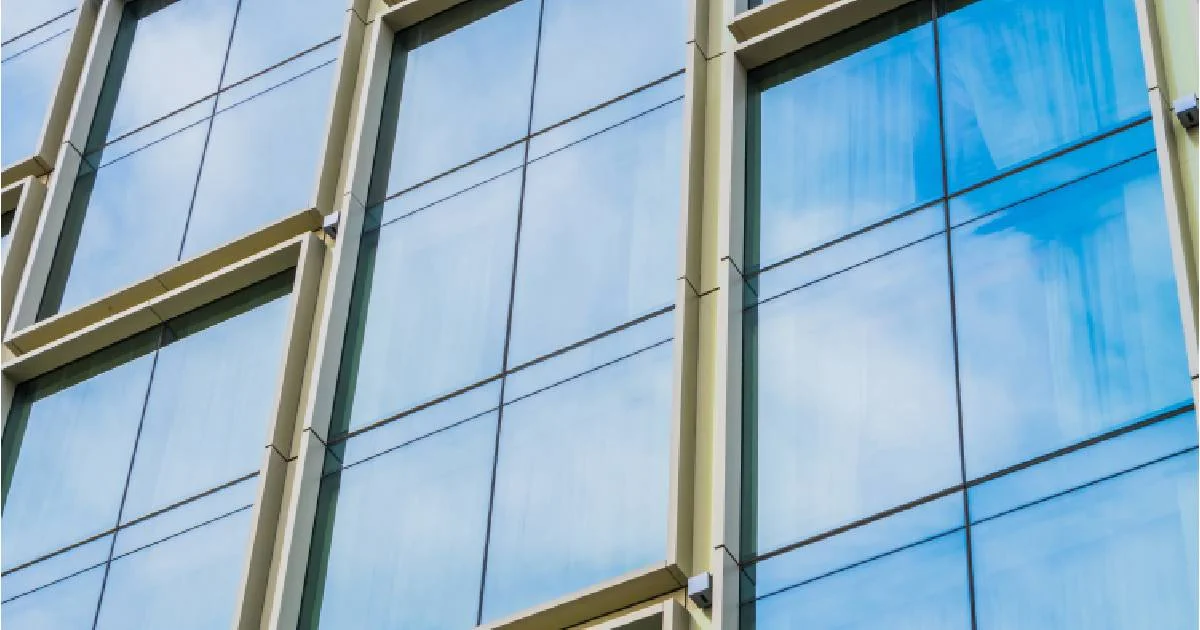
In today's fast-paced business world, maximizing productivity is paramount. One often overlooked but highly effective method to enhance workplace efficiency is through office window tinting. Commercial window tinting can offer numerous benefits that contribute to a more productive and comfortable work environment.

Reduce Glare and Eye Strain

Natural light is essential for a pleasant office atmosphere, but too much sunlight can cause glare on computer screens and other surfaces, leading to eye strain and discomfort. Office window tinting can significantly reduce glare, allowing employees to work more comfortably and efficiently. Less squinting and fewer headaches mean better focus and higher productivity.

Improve Climate Control and Comfort

Maintaining a comfortable temperature in an office is crucial for employee satisfaction and productivity. Office window tinting helps regulate indoor temperatures by blocking excessive heat from the sun. This reduces the reliance on air conditioning systems, leading to a more stable and comfortable environment. Employees are less likely to be distracted by temperature fluctuations, which can enhance overall work performance.

Enhance Privacy and Security

Privacy is often a concern in office settings, especially for ground-floor or street-facing windows. Office window tinting can provide an added layer of privacy without sacrificing natural light. Employees can feel more secure and less exposed, which can contribute to a more relaxed and focused work environment. Additionally, tinted windows can deter potential break-ins, as they make it more difficult for outsiders to see valuable equipment inside.

Reduce Energy Costs

Energy efficiency is not only good for the environment but also for your company's bottom line. Office window tinting can help lower energy consumption by reducing the amount of heat entering the building. This means your heating, ventilation, and air conditioning (HVAC) systems don’t have to work as hard to maintain a comfortable temperature. Lower energy bills can free up resources for other productivity-enhancing investments.

Protect Furniture and Equipment

Sun exposure can cause significant damage to office furniture, carpets, and electronic equipment over time. UV rays can lead to fading, discoloration, and deterioration, resulting in frequent replacements and repairs. Office window tinting blocks up to 99% of harmful UV rays, prolonging the life of your office furnishings and equipment. This not only saves money but also ensures that your office remains an aesthetically pleasing and professional environment.

Boost Employee Morale

A well-lit, comfortable, and aesthetically pleasing office can significantly impact employee morale. Happy employees are more productive and engaged in their work. Office window tinting contributes to creating a pleasant work atmosphere by reducing glare, controlling temperature, and ensuring privacy. When employees feel comfortable and valued, they are more likely to be motivated and productive.

Increase Focus and Concentration

Reducing external distractions is crucial for maintaining focus in a busy office environment. Office window tinting can help minimize outside distractions by limiting the view into and out of the building. This creates a more controlled and focused work environment, allowing employees to concentrate better on their tasks.

Office window tinting is a cost-effective and efficient way to enhance productivity in your workplace. By improving comfort, enhancing privacy, regulating temperature, protecting against UV rays, and adding aesthetic value, window tinting creates a more conducive environment for employees to thrive. Investing in office window tinting can lead to happier, more productive employees and a more successful business overall.

Why Tinting your car's windows can prove to be a boon for your leather upholstery?

How Paint Protection Film Can Preserve Your Car's Resale Value in Hamilton

28 May 2024, By Admin

Introduction

Kia ora, Hamilton car enthusiasts! Your love for the open roads of the Waikato region deserves a ride that stands the test of time. When it comes to preserving your car's resale value in Hamilton, there's one essential secret that many overlook – Paint Protection Film. In this blog, we'll explore why Paint Protection Film in Hamilton is more than just a shield for your vehicle; it's an investment in maintaining the beauty of your Kiwi ride.

The Essence of Paint Protection Film

Hamilton, with its diverse weather conditions, can be harsh on your vehicle's exterior. From the blistering sun to the occasional downpour, your car battles against the elements daily. That's where Paint Protection Film (PPF) comes into play. This transparent, polyurethane film acts as an invisible armor, safeguarding your car's paintwork from road debris, stone chips, bug splatter, bird droppings, and the damaging effects of UV rays.

Preserving Resale Value

Hamiltonians are known for their practicality, and when it comes to buying and selling cars, resale value matters. PPF is a game-changer in this aspect. The protective film ensures that your car maintains its showroom shine, preventing paint fading and discoloration. Potential buyers are more likely to pay a premium for a well-maintained vehicle with a flawless exterior.

Protection Against Stone Chips

The roads around Hamilton, whether you're cruising down the expressway or exploring the scenic backroads, are prone to stone chips. These tiny projectiles can cause unsightly dings on your car's paint, diminishing its aesthetic appeal. With Paint Protection Film in Hamilton, your vehicle's paint is shielded from these flying rocks, ensuring a smooth and chip-free surface.

Easy Maintenance for the Kiwi Lifestyle

Hamilton's vibrant lifestyle encourages outdoor adventures, but this often means your car faces a barrage of challenges. PPF makes maintaining your vehicle a breeze. It repels dirt and grime, making washing your car a quick and easy task. The film's self-healing properties also mean that minor scratches disappear with exposure to heat, keeping your car looking brand new for longer.

Professional Installation in Hamilton

To reap the full benefits of Paint Protection Film, it's crucial to have it professionally installed. Seek out reputable automotive shops in Hamilton that specialize in PPF installation. Experienced technicians ensure that the film is applied seamlessly, providing maximum protection without compromising your car's appearance.

Conclusion

Investing in Paint Protection Film for your car in Hamilton is not just about aesthetics; it's a commitment to preserving your Kiwi ride's resale value. With the challenging weather conditions and diverse landscapes that the Waikato region offers, PPF is your vehicle's best defense against the elements. So, protect your investment, maintain that glossy finish, and hit the Hamilton roads with confidence, knowing that your car is ready for any adventure that comes its way. Paint Protection Film Hamilton – because your ride deserves the best!

See More

Why Tinting your car's windows can prove to be a boon for your leather upholstery?

How Long Does Car Wrapping Last

28 May 2024, By Admin

Introduction

Car wrapping has become an increasingly popular method for vehicle customization, allowing car owners to express their style and protect their vehicles' original paint. However, like any automotive enhancement, car wrapping is not a permanent solution. In this blog, we'll delve into the factors that influence the longevity of car wrapping and answer the burning question: How long does car wrapping last?

Understanding Car Wrapping

Car wrapping involves applying a thin, adhesive vinyl film to the exterior of a vehicle. This vinyl can come in various colors, patterns, and finishes, providing car owners with a versatile and cost-effective alternative to traditional paint jobs. Car wrapping is known for its ability to protect a vehicle's paint from scratches, stone chips, and other environmental damage while allowing for easy removal or color changes.

Factors Influencing Car Wrap Longevity

  • Quality of Materials: The longevity of a car wrap heavily depends on the quality of the materials used. High-quality vinyl films with UV-resistant properties tend to last longer and maintain their appearance over time. Cheaper, low-quality materials may deteriorate more quickly, leading to premature discoloration and peeling.
  • Installation Skill: Proper installation is crucial for the durability of a car wrap. Professional installers with experience and skill ensure that the vinyl adheres uniformly, avoiding air bubbles, wrinkles, and edge lifting. Poor installation can significantly reduce the lifespan of the wrap.
  • Environmental Factors: The environment in which a vehicle is driven and parked plays a vital role in how long a car wrap lasts. Harsh weather conditions, exposure to extreme temperatures, and prolonged sunlight exposure can accelerate the wear and tear of the vinyl. Regular exposure to elements like salt, bird droppings, and tree sap can also affect the wrap's longevity.
  • Maintenance and Care: Proper maintenance and care are essential for maximizing the lifespan of a car wrap. Regular washing with mild soapy water, avoiding abrasive cleaners, and keeping the vehicle sheltered when possible can contribute to preserving the wrap's appearance.
  • Intended Use: The intended use of the vehicle can impact the longevity of the car wrap. Vehicles used for daily commuting and exposed to heavy traffic may experience more wear than those used less frequently. Similarly, off-road or adventurous driving may increase the likelihood of damage to the wrap.

Signs of Aging and When to Replace

  • Fading: One of the most common signs of an aging car wrap is color fading. This is often a result of prolonged exposure to sunlight.
  • Peeling or Lifting: If the edges of the wrap start to lift or peel, it's an indication that the adhesive is losing its effectiveness, and the wrap may need replacement.
  • Cracking or Wrinkling: Over time, the vinyl may develop cracks or wrinkles, affecting both the aesthetic appeal and the protective function of the wrap.

How long does car wrapping last?

Car wrapping longevity depends on various factors.

What signs indicate that a car wrap needs replacement?

Signs that a car wrap may need a replacement include:

  • Fading: If the colors on the wrap start to fade or lose vibrancy, it may be time for a replacement.
  • Peeling or Bubbling: The appearance of bubbles or peeling edges indicates that the adhesive is failing, and the wrap needs attention.
  • Cracks or Tears: Physical damage, such as cracks or tears in the vinyl, compromises the effectiveness of the wrap and may necessitate replacement.
  • Loss of Gloss: If the wrap loses its glossy finish and becomes dull, it may be a sign of wear and tear.

How much does it cost to replace a car wrap?

The cost of replacing a car wrap depends on various factors, including the size of the vehicle, the complexity of the wrap design, and the quality of materials used. On average, you can expect to pay a few thousand dollars for a full wrap replacement.

See More

Why Tinting your car's windows can prove to be a boon for your leather upholstery?

Can I Tint My Car's Windscreen in New Zealand?

28 May 2024, By Admin

Car windscreen tinting in New Zealand is subject to specific regulations to ensure safety and compliance with the law. According to New Zealand's Land Transport Rule, tinting on the front windscreen is generally restricted. A clear strip at the top of the windscreen, often referred to as a Sun strip, is permissible but must not exceed 100mm in width. This strip helps reduce glare from the sun while driving. For the rest of the windscreen, a minimum of 70% Visible Light Transmission (VLT) is required, meaning the tint must allow at least 70% of light to pass through. These regulations are in place to ensure drivers maintain clear visibility for safe driving conditions. Before proceeding with car windscreen tinting, it is crucial to consult with professional tinting services to ensure your vehicle adheres to these legal requirements.

Understanding Car Windscreen Tint Regulations

In New Zealand, the Land Transport Rule: Vehicle Equipment and Inspection (2004) sets out clear guidelines regarding the tinting of car windows, including the windscreen. According to these regulations, there are strict rules about how much tinting is allowed on the windscreen to ensure driver visibility and road safety.

Key Regulations for Windscreen Tinting:

  1. Visibility Requirements: The most crucial regulation is that the windscreen must allow a certain level of light transmission. The rule generally states that the windscreen must allow at least 70% of light to pass through. This ensures that drivers have an unobstructed view of the road and surroundings.
  2. Tinted Bands: While full tinting of the windscreen is not permitted, you can apply a tinted band to the top of the windscreen. This band, also known as a Sun strip, helps to reduce glare from the sun without compromising visibility. The band must be positioned above the line of sight and should not exceed a certain percentage of the windscreen’s total area.
  3. Quality of Tint Film: Any tint film used on the windscreen must comply with New Zealand standards and should not interfere with the vehicle's safety features, such as airbags or sensors. It's important to choose a high-quality tint film that meets these standards to avoid any legal issues.

Why Consider Tinting Your Windscreen?

While the full tinting of the windscreen is restricted, a tinted sunstrip can offer several benefits:

  • Reduced Glare: A tinted sun strip can significantly reduce glare from the sun, improving driving comfort and safety during sunny conditions.
  • Heat Reduction: Tinted bands can help reduce the amount of heat that enters your vehicle, making it more comfortable during hot days.
  • UV Protection: Tinted films can block harmful UV rays, protecting the interior of your car from fading and damage.

Choosing a Professional Tinting Service

If you’re considering adding a tinted band to your windscreen, it’s best to consult with a professional tinting service. They will ensure that the tint complies with New Zealand regulations and is applied correctly. Professional tinting services can also offer advice on the best type of tint film to use and can help you choose a solution that meets your needs while adhering to legal requirements.

Conclusion

In summary, while full tinting of your car's windscreen is not allowed in New Zealand, you can apply a tinted band to the top of the windscreen to reduce glare and enhance comfort. It’s essential to adhere to the regulations regarding light transmission and the quality of tint film to ensure safety and compliance. If you’re considering this enhancement, consult with a professional to get the best results and avoid any legal issues. By understanding and following these guidelines, you can enjoy the benefits of car windscreen tinting while staying within the legal limits.

See More

Feedback
   Feedback    Call Now